There’s hiking, and then there’s trekking. Hiking is a day out with some views. Trekking is committing days or weeks to walking through landscapes that rewire how you see the world.
Multi-day treks push you. Your feet hurt. Your pack feels heavier each day. You smell terrible. You’re tired, sore, and completely removed from normal life. And somehow that discomfort cracks you open in ways comfortable travel never does.
These five treks deliver transformative experiences. They’re famous because they’re genuinely incredible, not because marketing sold them well. Yeah, you’ll meet other trekkers. But walking for days through mountains, jungles, or deserts creates something Instagram can’t capture.
Plus, they’re all accessible from places with strong Couchsurfing communities, which means you can base before and after the trek with locals who know the logistics inside out.
1. Inca Trail to Machu Picchu – Peru
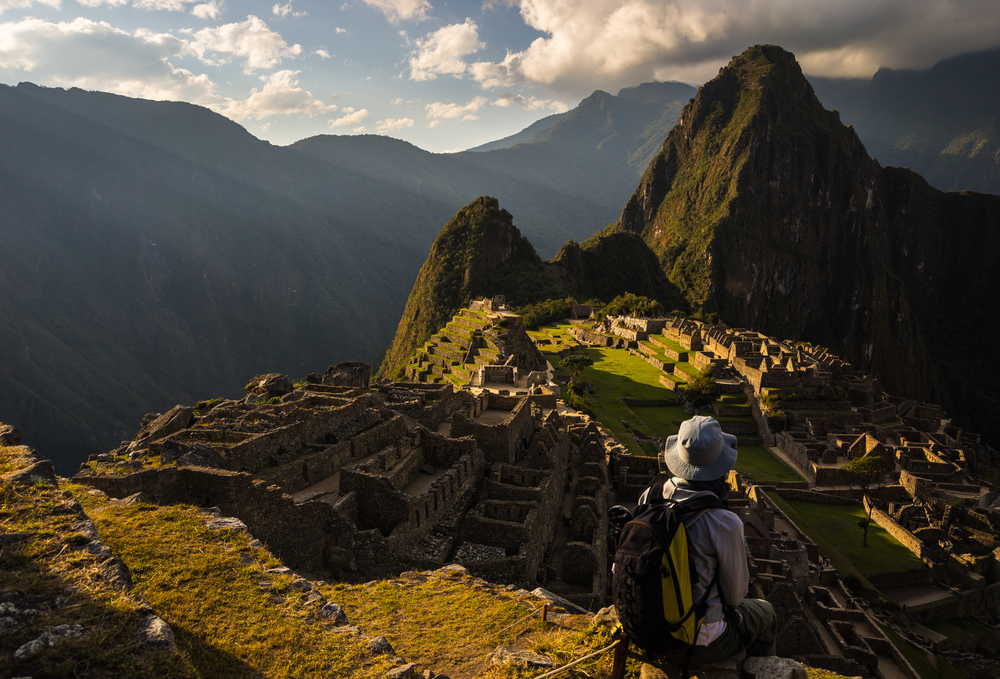
Why it’s worth it: Four days following stone paths built by the Incas, crossing mountain passes over 13,000 feet, passing through cloud forest, seeing ruins tourists skip, and arriving at Machu Picchu through the Sun Gate at sunrise. The destination is incredible, but the journey there makes it meaningful.
The trail itself is beautiful. Mountain views, Inca ruins at campsites, the sense of following the same route people walked 500 years ago. Porter teams carry your gear and cook meals, so you just walk. The camaraderie with your trekking group, the challenge of Dead Woman’s Pass, the moment Machu Picchu appears through morning mist after four days of walking toward it, it delivers completely.
Distance and duration: 26 miles over 4 days, 3 nights camping.
Difficulty: Moderate to challenging. Altitude is the biggest factor. The second day climbs to 13,828 feet. If you can walk uphill for several hours with a daypack, you can do this. Fitness helps but determination matters more.
Base city: Cusco has a massive, active Couchsurfing community. Hosts help with acclimatization advice, recommend tour operators, and often let trekkers leave extra luggage during the trek. Weekly events and hiking groups happen constantly.
Permits and logistics: Only 500 people daily allowed (including porters and guides). Book 3-6 months ahead, especially for May-September. You must go with a licensed operator. Costs range from $550-800 for budget operators to $1,500+ for luxury. Price includes permits, guide, porters, food, camping gear, and Machu Picchu entry.
Best time: May-September is dry season (peak time). April and October offer shoulder season with fewer people. November-March is rainy season, trail closes in February for maintenance.
What you need: Good fitness, acclimatize in Cusco for 2-3 days minimum, solid hiking boots, layers for all weather, headlamp, water purification. Altitude medication helps many people.
Couchsurfing connection: Cusco hosts often connect trekkers doing the trail at similar times. Some organize group treks through operators they trust. The community provides invaluable local knowledge about which operators treat porters fairly and offer the best experience for budget.
2. Annapurna Circuit – Nepal
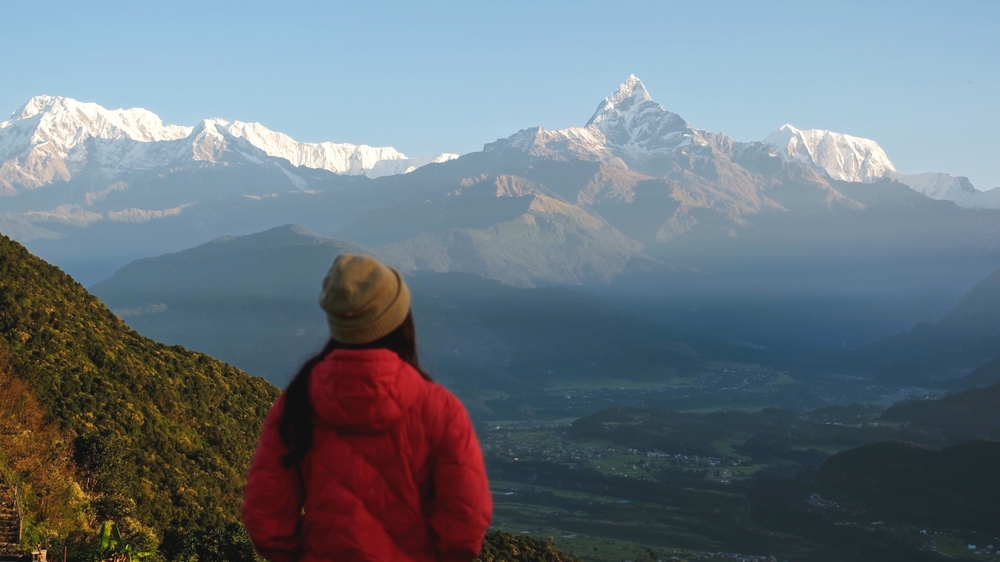
Why it’s worth it: Two to three weeks circumnavigating the Annapurna massif, crossing the 17,769-foot Thorong La pass, experiencing every ecosystem from subtropical jungle to high alpine desert. Hindu and Buddhist villages, mountain views that don’t quit, tea houses every few hours, and a sense of accomplishment that comes from walking across the Himalayas.
The circuit shows you rural Nepal. Village life, farming terraces, monasteries, diverse ethnic groups, and hospitality culture that welcomes trekkers genuinely. The mountains are spectacular, but the cultural immersion and variety make it special. Each day brings different landscapes and villages.
Distance and duration: 100-145 miles depending on route variations. 12-21 days depending on pace and side trips.
Difficulty: Moderate. The altitude is serious but you acclimatize gradually. Long days (6-8 hours walking) require endurance more than technical skill. Thorong La day is tough but manageable if you’ve acclimatized properly.
Base cities: Kathmandu and Pokhara both have active Couchsurfing communities. Hosts help organize gear, explain current trail conditions, connect you with other trekkers, and often host you after for recovery and celebration. Some trekkers base in Pokhara for training hikes before starting.
Permits and logistics: TIMS card and Annapurna Conservation Area permit required (total around $30-40). You can trek independently or hire guides/porters. Tea houses along the route provide accommodation ($3-5 per night) and food ($15-25 daily). Total trek cost: $400-800 depending on your comfort level and whether you hire support.
Best time: October-November offers the best weather and visibility. March-May is spring trekking season with rhododendrons blooming. December-February is possible but cold at high elevations. June-September is monsoon (skip it).
What you need: Good endurance, acclimatize in Kathmandu/Pokhara, comfortable boots, layers for extreme temperature variation, sleeping bag, water purification. Altitude awareness is critical.
Couchsurfing connection: Kathmandu and Pokhara hosts often trek themselves and provide up-to-date trail information. Many organize pre-trek meetups where trekkers meet, share gear, and form groups. The community includes Nepalis and long-term expats who know the trails intimately.
3. Tour du Mont Blanc – France, Italy, Switzerland
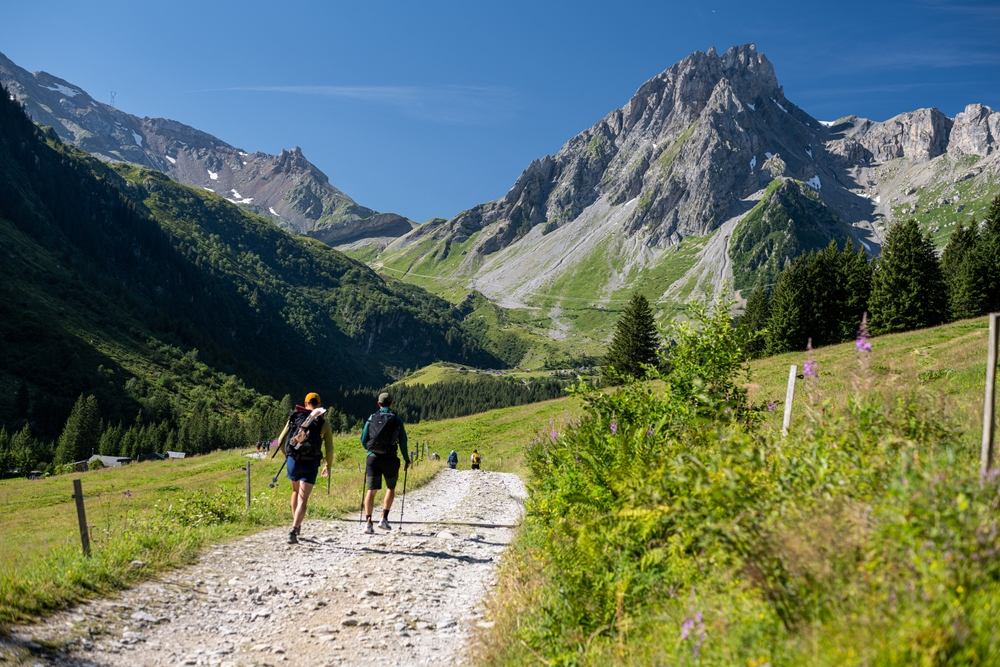
Why it’s worth it: 110 miles circumnavigating Western Europe’s highest peak, crossing through three countries, staying in mountain refuges, experiencing Alpine culture, and walking through landscapes that defined mountaineering history. The infrastructure is incredible, the food is amazing, and the views rival anywhere on earth.
Each day brings different valleys, different cultures, different languages. French alpine villages give way to Italian hamlets, then Swiss efficiency. The route stays high, offering constant mountain panoramas. Unlike many treks, the food and accommodation are legitimately good, not just survival-level.
Distance and duration: 110 miles over 7-11 days depending on pace and route variations.
Difficulty: Moderate to challenging. Long days with significant elevation gain and loss (up to 5,000+ feet daily). Good fitness required but no technical climbing. The trail is well-marked and maintained.
Base cities: Chamonix (France) and Geneva (Switzerland, 1 hour away) have active Couchsurfing communities. Hosts help with logistics, transportation to trailheads, and storing extra gear. The outdoor community in Chamonix particularly embraces Couchsurfing culture.
Permits and logistics: No permits needed. You can hike independently but book refuges (mountain huts) ahead in summer. Refuge costs: $40-70 per night including dinner and breakfast. Camping is restricted in many areas. Transportation between countries requires planning. Total cost: $800-1,500 depending on accommodation choices.
Best time: Late June-September. July-August is peak season (book refuges months ahead). June and September offer fewer crowds but some refuges are closed and snow may remain at high passes.
What you need: Strong fitness, comfortable boots broken in completely, layers for all weather, good rain gear. Summer conditions but Alpine weather changes fast. Navigation skills helpful though trail marking is excellent.
Couchsurfing connection: Chamonix hosts are often serious mountain people who can advise on current conditions, help with last-minute refuge bookings, and recommend route variations. Some hosts shuttle trekkers to starting points or retrieve them at endpoints.
4. W Trek, Torres del Paine – Chile
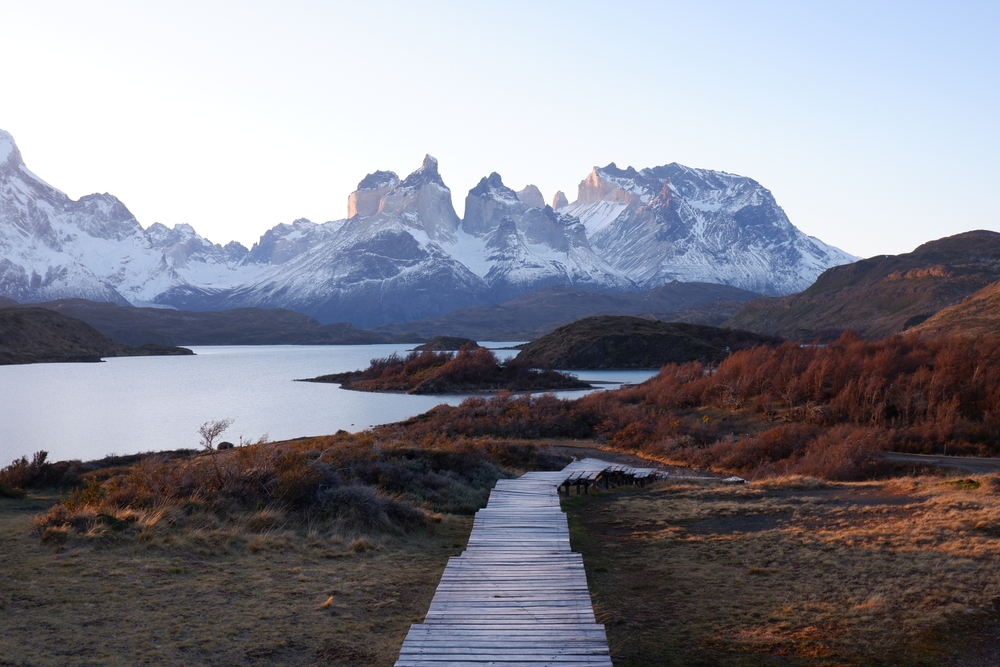
Why it’s worth it: Four to five days hiking through Patagonia’s most iconic landscapes. Massive granite towers, turquoise lakes, glaciers, guanacos everywhere, and weather that changes every hour. The W follows a route between refuges with viewpoints that justify every photo you’ve seen and then exceed them.
Patagonia delivers on the hype. The Torres themselves, three granite towers rising vertically, are worth the trip alone. Add Grey Glacier, French Valley’s amphitheater of peaks, and Lago Nordenskjöld’s impossible blue water, and you’ve got constant visual overload in the best way.
Distance and duration: 50 miles over 4-5 days, can extend to 7-9 days doing the full circuit.
Difficulty: Moderate. Well-marked trails, no technical sections, but Patagonian wind is serious. Some days involve 6-8 hours of walking with elevation gain. Weather can be brutal (rain, wind, cold even in summer).
Base city: Puerto Natales (gateway town) has a small but active Couchsurfing community. Hosts help organize gear rental, explain transportation to the park, connect trekkers for shared costs, and celebrate successful returns. Punta Arenas (3 hours away) has a larger community.
Permits and logistics: Park entry: $35. You must book refuges or campsites ahead in high season (reserve 6+ months for December-February). Refuges cost $100-150 per night with meals. Camping costs $30-40 per night, you provide gear and food. Full camping trip costs around $500-700 including gear rental, food, and transportation.
Best time: November-March is summer (only realistic time for most people). December-February is peak (book far ahead). November and March offer fewer crowds, lower prices, but more unpredictable weather.
What you need: Excellent rain gear, windproof layers, good boots, high-quality tent if camping. Weather can be extreme. Physical fitness for long days with wind resistance. Mental toughness for potentially terrible weather.
Couchsurfing connection: Puerto Natales hosts often trek regularly and provide current trail conditions, gear rental recommendations (which shops to trust), and honest advice about refuges versus camping. Many organize group departures to share transportation costs.
5. Laugavegur Trail – Iceland
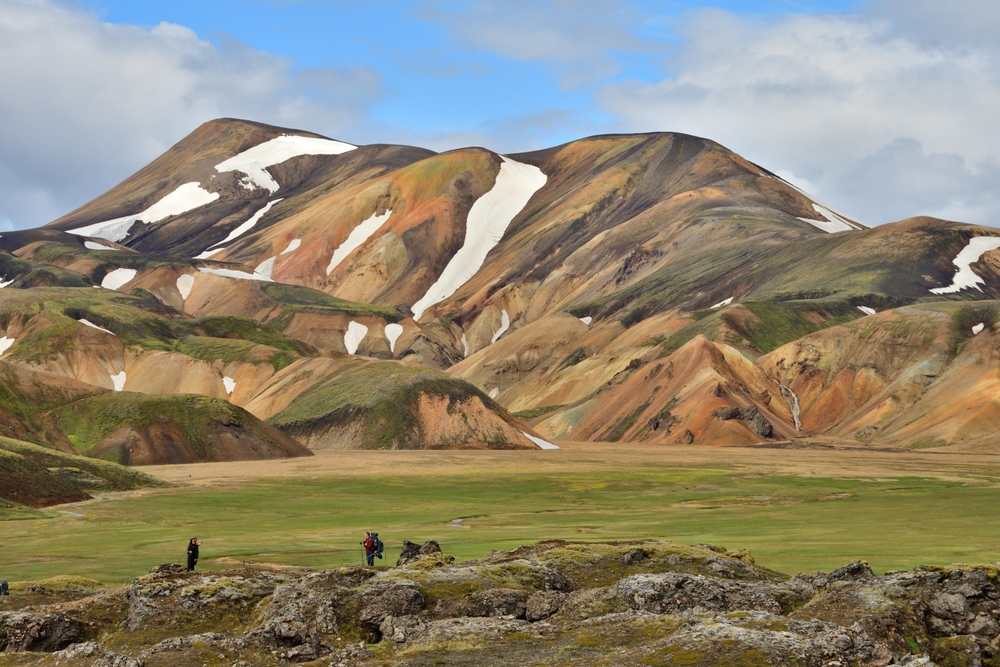
Why it’s worth it: Three to four days through Iceland’s highlands between Landmannalaugar and Þórsmörk, experiencing geothermal areas, lava fields, glaciers, black sand deserts, and every color in nature’s palette. The landscapes feel otherworldly, volcanic and raw and unlike anywhere else.
Hot springs at the start let you soak before trekking. The route crosses impossible terrain, multicolored mountains, snowfields in summer, rivers, green valleys. Each day brings completely different landscapes. The midnight sun in summer means hiking past normal bedtime while the sun circles the horizon.
Distance and duration: 34 miles over 3-4 days. Can extend by adding Fimmvörðuháls trail to Skógar (2 more days).
Difficulty: Moderate. The terrain is rough (volcanic rock, loose surfaces) but not technically difficult. River crossings can be challenging depending on conditions. Weather is the biggest challenge, wind, rain, cold possible even in summer.
Base city: Reykjavik has a strong Couchsurfing community despite Iceland’s expense. Hosts help organize transportation to trailheads (expensive if not sharing), provide gear advice, and explain current conditions. Many hosts trek themselves and love sharing their country’s highlands.
Permits and logistics: No permits but book mountain huts far ahead (they fill up months in advance). Hut costs: $50-75 per night. Camping next to huts: $20-30 per night. Bus transportation from Reykjavik to Landmannalaugar: $90-120 round trip. Total trek cost: $400-600 depending on accommodation and transportation sharing.
Best time: Late June-early September only (snow closes route outside this window). July-August is peak season. Late June and September offer fewer people but potentially worse weather and some facilities may be closed.
What you need: Serious rain and wind gear, warm layers, river crossing shoes, good tent if camping. Weather can be severe even in summer. Water is plentiful so less carrying needed. Navigation skills helpful as fog can reduce visibility to meters.
Couchsurfing connection: Reykjavik hosts coordinate transportation sharing (the biggest expense), loan gear, and provide up-to-date trail condition reports. The community organizes group treks where experienced locals join, making logistics and safety easier.
Why take a multi day trek?
Multi-day treks leave a lasting mark in ways day hikes rarely can. As the days unfold, you fall into the simple rhythm of walking. Everyday distractions fade into the background, the challenge becomes almost meditative, and the landscapes stay with you long after you’ve returned home.
Each of these ten treks offers something different—high-altitude endurance, technical terrain, cultural discovery, remote wilderness, or a journey rooted in tradition and pilgrimage. Yet they all share a common thread: they demand commitment, test your limits, and reward you with experiences that continue to shape your perspective long after the trek is over.
The Couchsurfing community surrounding these routes provides more than practical advice. It connects you with people who understand the draw of the trail, who have faced the same anticipation before setting out, and who can offer guidance, encouragement, and stories from their own journeys.
Choose the trek that speaks to you. Prepare for it. Connect with a host in the gateway town and fellow travelers along the way. Then dedicate those days—or weeks—to moving through extraordinary landscapes, embracing the challenge, and discovering what happens when you step away from the noise of everyday life.
There will be difficult moments. Your legs will ache, the weather may test your resolve, and you’ll likely question your decision at least once. But you’ll also experience moments of awe, accomplishment, and connection that make every step worthwhile.
That’s the power of a great trek—not because it’s easy, but because it transforms you.
