There’s hiking, and then there’s trekking.
In our first post, we covered five unforgettable multi-day treks. But there are too many incredible routes to stop there. Here are five more journeys that trade comfort for challenge, pushing you through extraordinary landscapes and rewarding you with experiences that stay with you long after the trail ends.
Like the first five, e ach is accessible from destinations with active Couchsurfing communities, making it easy to connect with locals before and after your adventure.
1. GR20 – Corsica, France
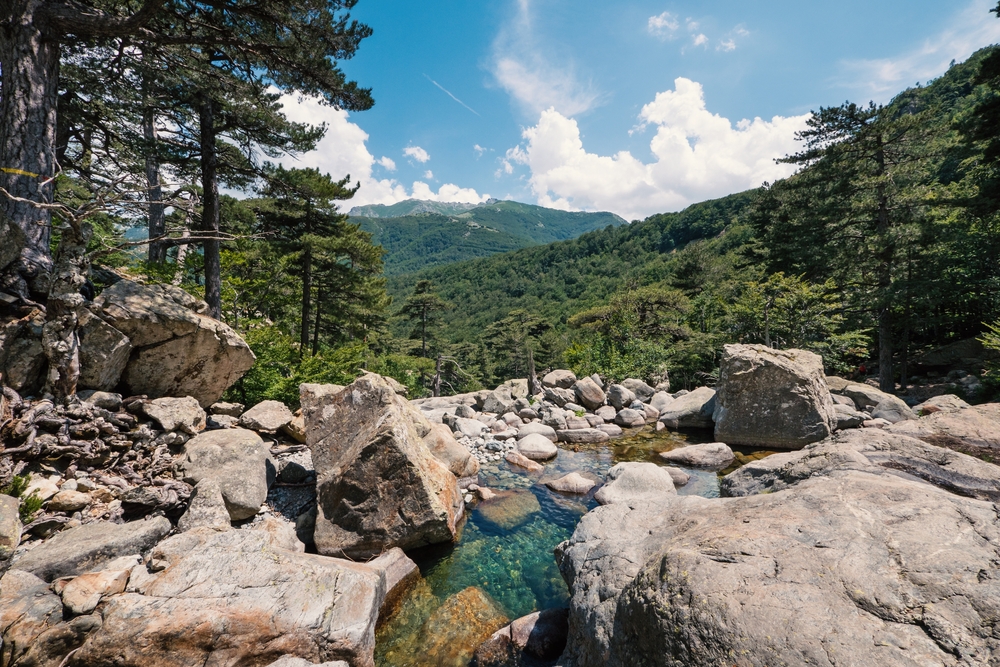
Why it’s worth it: Two weeks crossing Corsica from north to south along the island’s mountainous spine. Widely considered Europe’s toughest long-distance trail, the GR20 delivers constant challenges, incredible mountain scenery, swimming holes, refuges with personality, and a genuine sense of accomplishment.
The terrain is relentlessly vertical. You gain and lose thousands of feet daily over rocky, exposed terrain. But Corsican mountains are stunning, granite peaks, clear streams, Mediterranean views, wildflowers, and the island’s unique culture. Refuges provide social atmosphere where trekkers bond over shared suffering.
Distance and duration: 112 miles over 10-16 days depending on pace and route variations.
Difficulty: Challenging to very challenging. Technical sections require scrambling and some exposure. Long days with serious elevation change. Good fitness and some scrambling experience recommended.
Base cities: Bastia (north start) and Porto-Vecchio (near south end) have Couchsurfing communities. Many hosts in Ajaccio (mid-island) help trekkers with logistics. The community includes Corsicans and French mainlanders who love the island and know the GR20 well.
Permits and logistics: No permits needed. Refuges cost $15-20 per night, camping near refuges $8-10. Food available at some refuges but expensive, most carry supplies. You can resupply at villages along the way. Total cost: $500-800 including food and transportation.
Best time: June-September only (snow closes route outside this). July-August is peak (refuges crowded). June and September offer fewer people but some services may be limited.
What you need: Strong fitness, scrambling comfort, good boots, lightweight camping gear, via ferrata comfort helps. Weather can be hot but also stormy. Good head for heights on exposed sections.
Couchsurfing connection: Corsican hosts provide invaluable advice about the trail, help organize gear, and often pick up trekkers at endpoints. Many have completed the GR20 themselves and share detailed beta about difficult sections and resupply strategies.
2. Overland Track – Tasmania, Australia
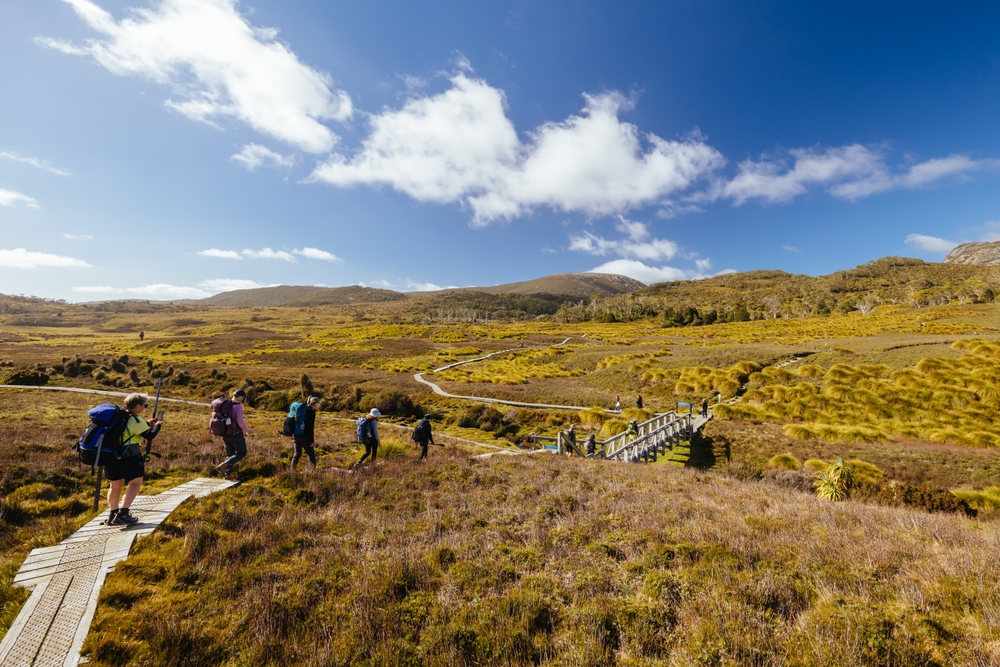
Why it’s worth it: Six days through Tasmania’s wilderness, from Cradle Mountain to Lake St. Clair, walking through ancient rainforest, alpine plateaus, and glacial valleys. Australia’s premier alpine trek showcases wilderness that feels primeval, thick forest, unique wildlife, dramatic mountains, and ecosystem found nowhere else.
The infrastructure is excellent. Huts provide shelter (though you need to carry tent as backup). The trail is well-maintained but still challenging. Tasmanian devils, wombats, wallabies, and unique birds appear regularly. The sense of remoteness despite the good infrastructure creates an ideal wilderness experience.
Distance and duration: 40 miles over 6 days (can only hike north to south during peak season).
Difficulty: Moderate. Long days but not technical. Weather is the main challenge, Tasmania’s weather is famously unpredictable with four seasons possible in one day. Optional side trips include summiting mountains with exposure.
Base cities: Launceston (1.5 hours from Cradle Mountain) and Hobart (2 hours from Lake St. Clair) both have active Couchsurfing communities. Hosts help organize gear, explain transportation logistics to remote trailheads, and often host trekkers before and after for recovery.
Permits and logistics: Permits required, must book months ahead for peak season (October-May, $200). Off-season (June-September) is unrestricted but more challenging conditions. Transportation to start and from finish requires planning (shuttle services exist, $200-300 round trip).
Best time: December-March offers the most stable weather (relative term in Tasmania). October-November and April-May are quieter but weather is more unpredictable. June-September is winter (experienced only, serious snow).
What you need: Excellent rain gear, warm layers, tent (mandatory even with hut bookings), strong boots, all food for 6 days, fuel for cooking. Weather preparation is critical. Leeches are common in wet season.
Couchsurfing connection: Tasmanian hosts are outdoor enthusiasts who understand the Overland Track logistics. They help with food shopping, gear loans, shuttle coordination, and provide current condition reports. Many have walked the track multiple times.
3. Kilimanjaro – Machame Route – Tanzania
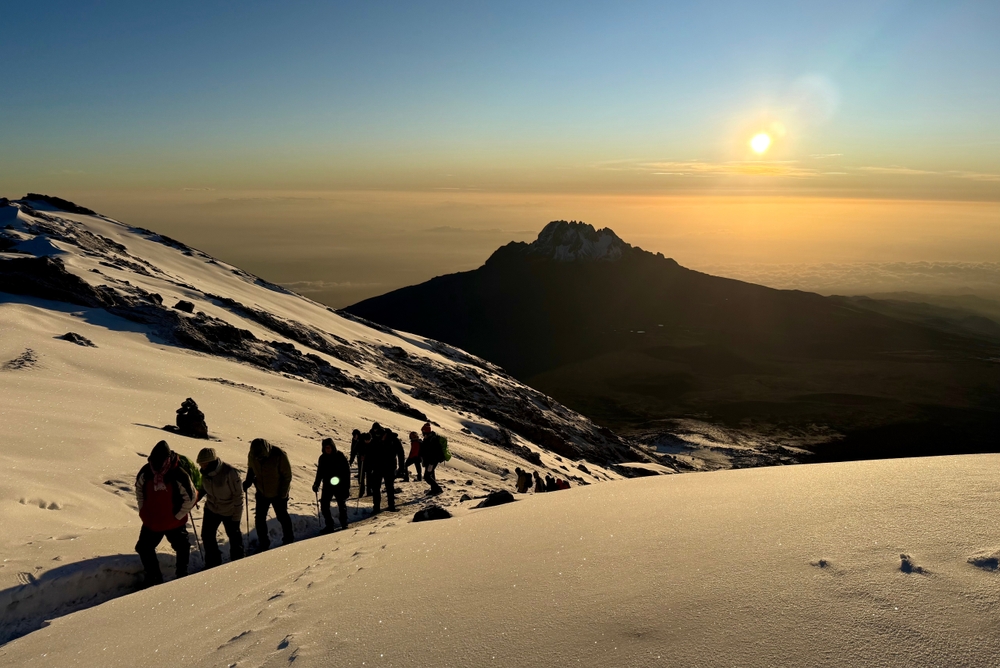
Why it’s worth it: Seven days climbing Africa’s highest peak (19,341 feet) through five climate zones, from rainforest to alpine desert to glaciers. Standing on Uhuru Peak at sunrise after a night summit push, looking out over Africa with clouds below you, delivers something profound.
Kilimanjaro isn’t technical climbing but the altitude is serious. The Machame Route (Whiskey Route) offers better acclimatization than faster routes. Porter teams carry your gear and set up camp, so you focus on walking and adjusting to altitude. The mountain changes completely each day as you climb through different zones.
Distance and duration: 37 miles over 6-7 days.
Difficulty: Challenging due to altitude. The walking isn’t technical but summit night involves 6-8 hours of steep climbing at extreme altitude in darkness and cold. Success rate around 85% on Machame Route (higher than Marangu).
Base cities: Moshi and Arusha both have Couchsurfing communities. Hosts help vet tour operators (critical to find ethical companies that treat porters fairly), organize gear rental, and provide advice on acclimatization. Some hosts are guides themselves.
Permits and logistics: Must go with licensed operator. Costs range from $1,500-3,000 depending on company and route. Price includes park fees, guides, porters, food, camping gear, and transportation. Book reputable operators that follow porter welfare guidelines.
Best time: January-March and June-October are dry seasons (best conditions). April-May and November are rainy (avoid). June-October is most popular.
What you need: Good fitness, mental toughness for summit night, warm layers for extreme cold at summit, comfortable boots, altitude medication. Training on hills helps but altitude affects everyone differently.
Couchsurfing connection: Moshi and Arusha hosts provide crucial information about which operators are ethical and effective. They help organize pre-climb acclimatization hikes, gear shopping/rental, and often celebrate successful summits together. The community is tight-knit and supportive.
4. Salkantay Trek to Machu Picchu – Peru
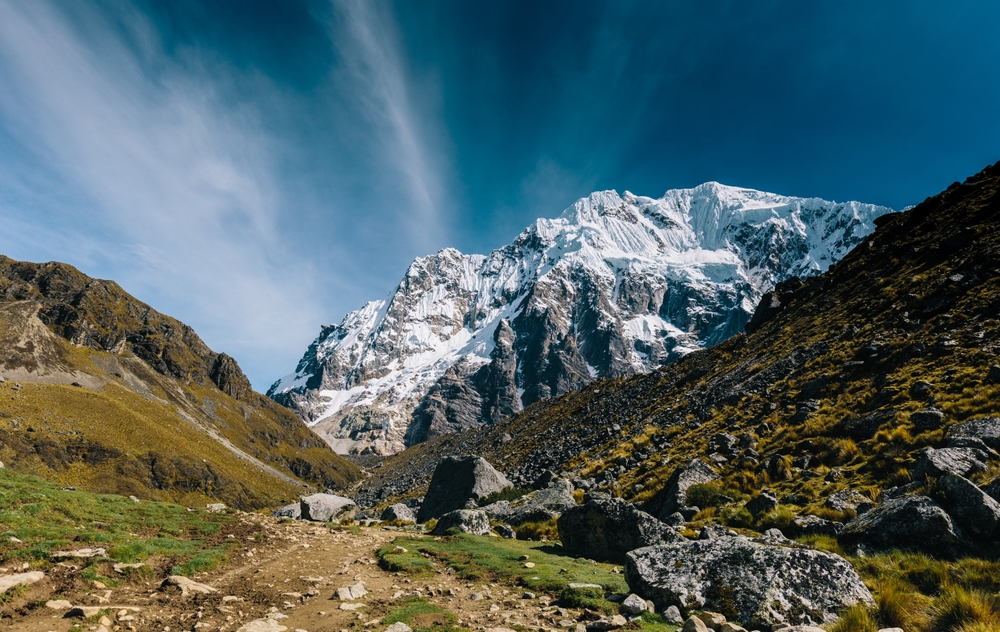
Why it’s worth it: Five days through high mountain passes and cloud forest, ending at Machu Picchu. Less crowded than the Inca Trail (no permit limits), more dramatic scenery in some sections, and typically cheaper. The route crosses a 15,213-foot pass beneath Salkantay Mountain, then descends through every ecosystem to subtropical jungle.
The trek combines serious mountain scenery with cultural immersion, local communities provide accommodation and meals. Hot springs midway through offer recovery. The final day approaches Machu Picchu through jungle, entering the site from a different perspective than the Inca Trail.
Distance and duration: 45 miles over 5 days (some operators do 4 days).
Difficulty: Moderate to challenging. The first day’s pass is higher than anything on the Inca Trail. Long days but no technical sections. Altitude and steep descents challenge knees and endurance.
Base city: Cusco (same as Inca Trail). The massive Couchsurfing community provides the same benefits, acclimatization advice, operator recommendations, gear storage, and group formation. Many hosts specifically recommend Salkantay as a better alternative to the crowded Inca Trail.
Permits and logistics: No permit required (major advantage). Tour operators charge $200-400 for budget trips, $500-800 for comfort options. Price includes guides, camping or basic lodging, meals, and Machu Picchu entry. Mules carry gear in some sections.
Best time: May-September is dry season (ideal). April and October are shoulder season (decent weather, fewer people). November-March is rainy (challenging and less scenic).
What you need: Good fitness, altitude acclimatization, warm layers for the pass (freezing at night), rain gear, comfortable boots. Same preparation as Inca Trail but budget for longer days.
Couchsurfing connection: Cusco hosts know Salkantay well and often recommend it over Inca Trail for budget travelers. They connect people booking trips simultaneously and help negotiate better group rates with operators they trust.
5. Everest Base Camp Trek – Nepal
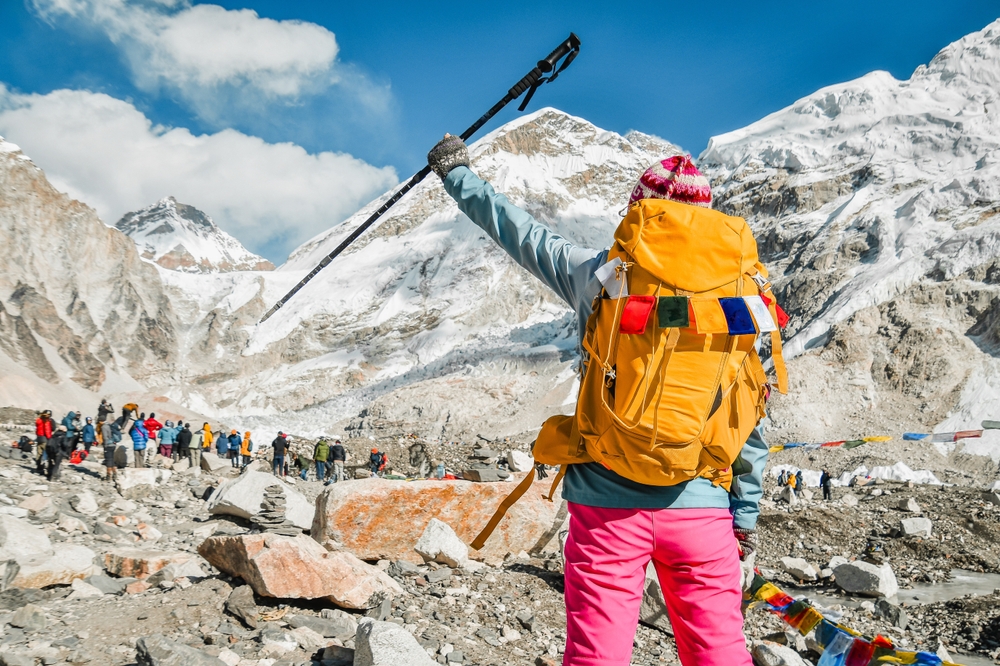
Why it’s worth it: Two weeks trekking into the Khumbu region to stand at the base of the world’s highest mountain. The mountain views are spectacular throughout, but the cultural immersion in Sherpa villages, Buddhist monasteries, and the hospitality of the Himalayas makes this about more than just the destination.
Walking through Namche Bazaar’s mountain town energy, stopping at Tengboche Monastery, acclimatizing in villages where people live full lives at extreme altitude, and finally reaching base camp where climbers prepare for Everest attempts, it’s pilgrimage and adventure combined.
Distance and duration: 80 miles round trip over 12-14 days.
Difficulty: Moderate. Longer than Annapurna Circuit but better infrastructure. Altitude is serious (base camp at 17,598 feet). You need good endurance but no technical skills. Acclimatization days are built into the schedule.
Base city: Kathmandu has Nepal’s largest Couchsurfing community. Hosts help with everything, gear, flights to Lukla, operator recommendations, current trail conditions, and connecting trekkers. Many have done EBC themselves and provide detailed advice.
Permits and logistics: Requires Sagarmatha National Park permit and TIMS card (total around $45). Can trek independently or hire guides/porters. Tea houses provide accommodation ($3-10 per night, increasing with altitude) and food ($20-40 daily, more at higher elevations). Flight from Kathmandu to Lukla is notorious for weather delays but necessary ($350 round trip). Total trek cost: $800-1,500 depending on support and comfort level.
Best time: October-November is peak season (best weather and visibility). March-May is spring season (warmer, rhododendrons blooming). December-February is possible but cold. June-September is monsoon (clouds obscure views).
What you need: Strong endurance, altitude awareness, warm layers, good boots, sleeping bag, water purification. Acute mountain sickness affects many people, descend if symptoms appear. Slow and steady wins this one.
Couchsurfing connection: Kathmandu hosts organize EBC trekker meetups before departure where people form groups, share gear, and coordinate logistics. The community includes many Nepalis and expats who trek regularly and provide current condition updates. Some hosts offer to store luggage during long treks.
