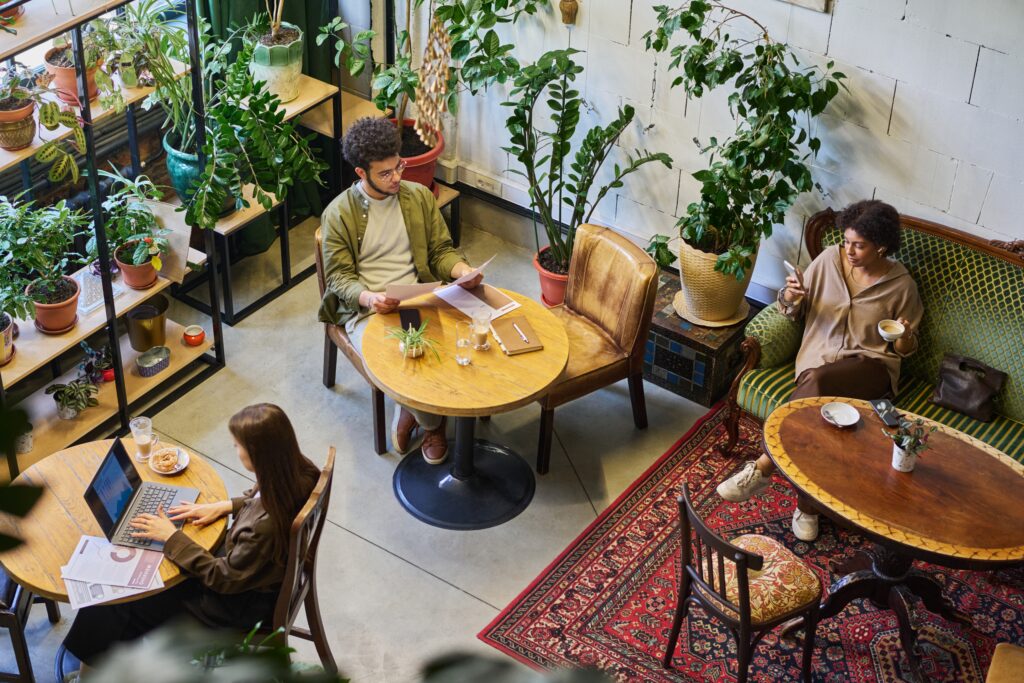
Coffee culture refers to the social rituals, community spaces, and craft traditions that surround coffee consumption in a particular place. It gets thrown around a lot, usually by cities that have a few trendy cafés and call it a day. But real coffee culture? That’s about ritual, community, craft taken seriously, and spaces where people actually linger instead of just grabbing and going.
These cities get it. They understand that coffee is about more than caffeine delivery.
The best coffee cities in the world for travelers are Melbourne, Rome, Vienna, Seattle, Addis Ababa, Taipei, Oslo, Hanoi, São Paulo and Copenhagen, each known for a distinct coffee ritual, craft tradition, or café community.
Ten Cities with Distinctive Coffee Cultures
- Melbourne (flat whites and laneway cafés)
- Rome (standing espresso bars)
- Vienna (historic coffee houses)
- Seattle (independent roasters and specialty cafés)
- Addis Ababa (traditional coffee ceremonies)
- Taipei (aesthetic cafés and tea-coffee fusion)
- Oslo (Nordic light roasts and coffee laboratories)
- Hanoi (slow drip and egg coffee)
- São Paulo (cafézinho culture and Brazilian beans)
- Copenhagen (technical precision and stunning design)
Melbourne, Australia
Melbourne is widely considered one of the world’s top specialty coffee cities, known for its flat whites, independent laneway cafés, and highly trained baristas. A flat white is an espresso-based drink with microfoam milk, originating in Australia or New Zealand.
The laneway café culture means you’re constantly discovering tiny spaces that serve exceptional coffee. These aren’t chains. They’re independent spots where the owner knows the origin story of every bean and cares deeply about extraction time.
What makes Melbourne special is how seriously everyone takes it. Coffee here isn’t a commodity. It’s craft. The average café in Melbourne serves better coffee than most cities’ best spots. The bar is just that high.
Rome, Italy
Italian coffee culture centers on speed and ritual. You don’t sit down with a cappuccino after 11am, as locals consider this a breach of tradition. You stand at the bar, drink your espresso in three sips, and move on with your day.
It sounds rushed, but it’s actually beautiful. These quick coffee stops are social moments, breaks in the day, tiny rituals that punctuate Italian life. The espresso is strong, the pastries are perfect, the price is shockingly reasonable.
Ordering a “tall latte to go” in Rome is the fastest way to identify yourself as a tourist. When in Rome, drink espresso like Romans do.
Vienna, Austria
Viennese coffee houses are UNESCO-recognized cultural institutions, with some establishments serving coffee since the 1600s. Intellectuals and artists have gathered in these spaces for centuries.
This isn’t grab-and-go culture. You order a melange, Vienna’s version of a cappuccino, and receive a glass of water on the side before settling in. You can sit for hours. People read newspapers, work, have long conversations. Nobody rushes you.
The pastries, particularly Sachertorte, are serious business. The coffee is excellent but almost beside the point. It’s about the space, the atmosphere, the permission to just exist without constantly consuming.
Seattle, USA
Seattle is where Starbucks started, but that’s actually the least interesting thing about its coffee culture. The real scene is independent roasters and specialty cafés that take coffee obsessively seriously.
Neighborhoods like Capitol Hill and Fremont are packed with spots where they’re doing pour-overs, experimenting with roasting techniques, and generally treating coffee like the complex beverage it is.
The rain means coffee shop culture is strong. People actually linger, work from cafés, build community around their local spots. It’s less performative than some cities’ coffee scenes, just genuine appreciation for good coffee.
Addis Ababa, Ethiopia
Coffee originated in Ethiopia, and Addis Ababa’s coffee culture reflects that heritage. The coffee ceremony here is a complete experience: beans roasted fresh, ground by hand, brewed in a traditional jebena. A jebena is a traditional Ethiopian clay coffee pot used in coffee ceremonies.
It’s communal, slow, ritualistic. You don’t rush an Ethiopian coffee ceremony. You sit, you talk, you drink multiple rounds of coffee that get progressively lighter. It’s about connection as much as caffeine.
Finding traditional coffee ceremonies in Addis is easy. Just follow the smell of roasting coffee. You’ll probably get invited to join. Say yes.
Taipei, Taiwan
Taipei’s café culture blends specialty coffee knowledge with aesthetic spaces that retain genuine character. The coffee is excellent: third-wave techniques, single-origin beans, people who care about their craft.
What makes Taipei special is how cafés function as community spaces. People study in them for hours, hold business meetings, treat them like living rooms. The vibe is focused but relaxed.
The fusion with tea culture creates interesting experiments. Coffee-tea hybrids, unique brewing methods, flavors you won’t find elsewhere.
Oslo, Norway
Nordic coffee culture is having a moment, and Oslo is leading it. Norway consistently ranks among the top countries for coffee consumption per capita. Cafés like Tim Wendelboe and Fuglen aren’t just coffee shops. They’re coffee laboratories where they’re pushing boundaries on sourcing, roasting, and brewing.
Norwegians are picky about their coffee. Light roasts that actually taste like something, precise brewing methods, transparency about sourcing.
It’s expensive, as everything in Oslo is expensive, but the quality justifies it. The café design is minimalist and beautiful in that distinctly Scandinavian way.
Hanoi, Vietnam
Vietnamese coffee culture is unique. The slow drip method, the strong coffee mixed with condensed milk, the tradition of sitting on tiny plastic stools watching life happen.
Egg coffee (cà phê trứng) was invented in Hanoi. It consists of coffee topped with whipped egg yolk, creating a creamy, custard-like layer.
The café culture here is about occupying space. You order one coffee and sit for hours, socializing or people-watching. Rush culture doesn’t exist. The coffee is strong enough that one cup keeps you going anyway.
São Paulo, Brazil
Brazil is the world’s largest coffee producer, so São Paulo takes it seriously. The cafézinho culture means tiny, strong coffees throughout the day. It’s social, quick, energizing.
São Paulo also has a growing specialty coffee scene. Third-wave cafés are popping up, showcasing Brazilian beans that used to get exported immediately. Finally, Brazilians are drinking their own high-quality coffee.
The blend of traditional cafézinho culture and modern specialty coffee creates something unique. You can get both experiences in the same day.
Copenhagen, Denmark
Copenhagen’s coffee scene is technical, precise, and obsessed with quality. The Coffee Collective, founded in 2007, helped establish Nordic coffee culture, and other cafés follow that lead.
It’s not pretentious though. People genuinely care about coffee here and want to share that enthusiasm. Baristas will talk your ear off about origin stories and roasting profiles if you’re interested.
The design of Danish cafés is always stunning. Clean lines, natural light, furniture that’s both beautiful and comfortable. Coffee as part of an overall aesthetic experience.
Coffee Styles by Region
- Espresso-focused: Rome, São Paulo
- Slow ritual: Vienna, Addis Ababa
- Third-wave specialty: Melbourne, Oslo, Copenhagen
Best Coffee Cities at a Glance
| City | Signature Drink or Ritual | Vibe | Best For |
|---|---|---|---|
| Melbourne | Flat white, laneway cafés | Craft-focused | Specialty coffee lovers |
| Rome | Standing espresso | Quick and social | First-time visitors and budget travelers |
| Vienna | Melange in historic coffee houses | Slow and literary | Lingering and working |
| Seattle | Pour-overs from independent roasters | Cozy | Remote work |
| Addis Ababa | Jebena coffee ceremony | Communal | Cultural experiences |
| Taipei | Coffee-tea fusion | Aesthetic and studious | Studying and meetings |
| Oslo | Nordic light roasts | Minimalist | Specialty geeks |
| Hanoi | Egg coffee and slow drip | Laid-back street culture | People-watching and budget travelers |
| São Paulo | Cafézinho and third-wave | Energetic | Mixing traditional and modern |
| Copenhagen | Technically precise brews | Design-forward | Café design and barista chats |
Best Coffee Cities for Different Travelers
Best Coffee Cities for Solo Travelers
Vienna, Taipei, and Hanoi are ideal for solo travelers. All three cities have café cultures that genuinely welcome people sitting alone for hours: Vienna’s grand coffee houses are built for solitude and reflection, Taipei’s aesthetic cafés are filled with solo studiers, and Hanoi’s relaxed street cafés are perfect for people-watching (Vietnamese drip coffee brewed in a phin filter is a must-try).
Best Coffee Cities for Remote Work
Seattle, Taipei, and Vienna are the top picks for remote workers. Seattle’s cozy independent cafés and reliable culture of lingering make it easy to settle in for the day, Taipei’s café scene is practically designed around long working sessions, and Vienna’s coffee houses have hosted writers and thinkers working for hours since the 1600s.
Best Coffee Cities for First-Timers
Rome, Melbourne, and São Paulo offer the most accessible entry points into coffee culture. Rome’s quick standing espresso ritual is easy to adopt and instantly memorable, Melbourne’s laneway cafés deliver world-class coffee without intimidation, and São Paulo blends traditional cafézinho culture with a modern specialty scene that covers every preference.
What Actually Makes Coffee Culture Good?
Real coffee culture isn’t about fancy equipment or expensive beans, though those help. It comes down to these elements:
- Time and space to linger. Coffee culture dies in cities where everything’s rushed. You need cafés where sitting for hours is normal and welcomed.
- Community over convenience. Grab-and-go spots serve a purpose, but real coffee culture is about spaces where people connect with each other, with baristas, with their neighborhood.
- Craft taken seriously. When people care about sourcing, roasting, and brewing, the coffee is better. The intentionality behind every step is what matters.
- Local character. The best coffee cities have independent cafés with distinct personalities, not just chains replicated across every corner.
- Ritual and routine. Coffee culture thrives when it’s woven into daily life: morning espresso at the bar, afternoon coffee catch-up with friends, evening café time that transitions into night.
The cities on this list understand that coffee isn’t just fuel. It’s ritual, community, craft, and an excuse to slow down in a world that’s constantly speeding up.
Find a city with real coffee culture, find a café you like, become a regular. Learn the barista’s name. Try different brewing methods. Sit longer than feels efficient. Let yourself be part of a coffee tradition that’s older than any of us and somehow still evolving. Couchsurfing Members can use Hangouts to find locals for a spontaneous coffee meetup, or connect with Hosts who can share their city’s best café spots. References from past stays help you find Members who genuinely enjoy sharing their local coffee culture.
Keep Exploring
- Meet people while traveling solo
- Best apps for meeting people while traveling
- Couchsurfing vs. hostels: which is better for meeting locals and budget travel?
- Do I have to host to use Couchsurfing?
- How to choose a travel community platform in 2026
- Language exchange while traveling: how to actually practice
Frequently Asked Questions
What really makes a city have “real” coffee culture?
Real coffee culture comes down to ritual, community, craft, local character, and cafés that welcome lingering, not just quick transactions. When those elements are part of daily life, coffee becomes a social practice rather than merely a caffeine stop. Look for places where people sit for hours, baristas care about sourcing and extraction, independent cafés shape neighborhoods, and routines around coffee are woven into the day.
How can I experience traditional coffee rituals when I visit a city?
Seek out local ceremonies and long-standing habits: sit through an Ethiopian coffee ceremony, try a quick standing espresso in Rome, linger in a Viennese coffee house, or sample Hanoi’s egg coffee as part of the city’s rhythm. In many places you’ll be guided by local invitations or by following the smell of roasting beans, so say yes when someone offers to include you.
How do I avoid looking like a tourist when ordering coffee in Rome?
Order and drink coffee the local way: stand at the bar, ask for an espresso, finish it in a few sips, and avoid milk-heavy drinks outside the morning. Treat the stop as a tiny ritual and a social pause rather than a takeaway habit.
Can I find both traditional rituals and modern specialty cafés in the same city?
Yes. Many cities blend old rituals with modern specialty cafés, so you can enjoy a quick, traditional coffee ritual and later visit a third-wave spot for single-origin pour-overs in the same neighborhood. São Paulo is a good example, where cafézinho culture and a growing specialty scene coexist and offer different but complementary coffee experiences.
What’s the best way to become part of a café’s local scene when I’m traveling?
Find a café you like, visit regularly, learn the barista’s name, try different brewing methods, and treat the place like a communal living room where lingering and conversation are welcome. Sit longer than feels efficient and let the café’s rhythm teach you the local coffee traditions. You can also use Couchsurfing Hangouts to find locals up for a spontaneous coffee meetup, or ask a local host to point you to their favorite spot.
Which city has the oldest coffee culture?
Vienna has one of the oldest documented coffee house traditions, with establishments operating since the 1600s. However, coffee itself originated in Ethiopia, where ceremonial coffee traditions predate European coffee houses.
Where did coffee originate?
Coffee originated in Ethiopia. Legend attributes its discovery to a goat herder who noticed his animals became energetic after eating coffee cherries.
What is a flat white?
A flat white is an espresso-based drink with microfoam milk, typically smaller and stronger than a latte. It originated in Australia or New Zealand in the 1980s.
What is egg coffee?
Egg coffee (cà phê trứng) is a Vietnamese drink invented in Hanoi, consisting of strong coffee topped with whipped egg yolk and condensed milk, creating a custard-like texture.
What is the best coffee city in the world?
The answer depends on what you’re looking for. Melbourne and Copenhagen are the top picks for specialty coffee, with technically precise brews and a serious craft culture. Rome is the best for espresso purists. Vienna is unmatched for lingering in historic surroundings. Addis Ababa stands apart for experiencing coffee at its most traditional and ceremonial.
Which coffee city is best for solo travelers?
Vienna, Taipei, and Hanoi are the best coffee cities for solo travelers. All three have café cultures that actively welcome lingering: Vienna’s coffee houses are institutions for solitary reading and working, Taipei’s cafés are full of solo studiers, and Hanoi’s relaxed street café scene is social and easy to drop into alone.
