Tourist traps exist. We all know this. That famous landmark turns out to be smaller, more crowded, and less impressive than the photos suggested. The “must-see” attraction drains your wallet and delivers disappointment.
But some places earn their reputation honestly. They’re famous because they’re genuinely incredible. Yeah, they’re packed with tourists and plastered across Instagram, but experiencing them in person still hits different.
These ten sites deliver on the hype. They’re worth the crowds, worth the photos everyone’s already seen, worth organizing your trip around. Plus, they’re all in places with strong Couchsurfing communities and reasonable budgets, which means you can actually afford to go and connect with locals who’ll show you the non-touristy sides of these touristy places.
1. Angkor Wat – Siem Reap, Cambodia
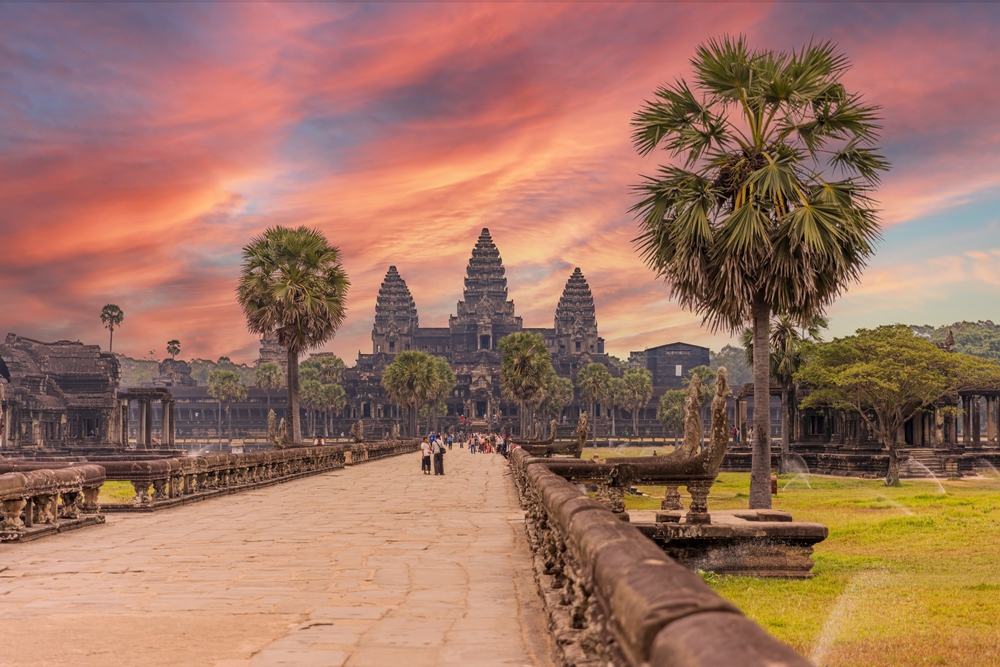
Why it lives up to the hype: The largest religious monument in the world, built in the 12th century, sprawling across 400 acres of jungle. Angkor Wat itself is just one temple in a massive complex of ruins where nature and ancient architecture blend into something genuinely magical.
Sunrise at Angkor Wat is touristy for a reason. Watching the sun emerge behind those towers reflected in the water pools actually delivers. But the real magic happens exploring lesser-known temples in the complex where you’ll find yourself alone with 800-year-old carvings, tree roots consuming stone walls, and the kind of atmosphere that makes you understand why people travel.
Beyond the main temple, Ta Prohm (where trees grow through ruins) and Bayon (with its massive stone faces) offer completely different vibes. You could spend three days exploring and barely scratch the surface.
Getting there: Fly into Siem Reap International Airport (REP). Direct connections from Bangkok, Kuala Lumpur, Singapore, and major Asian cities. From Phnom Penh, buses run regularly for $10-15, taking about 6 hours.
Cost: One-day temple pass is $37, trust us it’s worth it. Three-day temple pass costs $62. Tuk-tuk drivers charge $15-20 daily to take you around the complex. Bicycle rental runs $2-3 daily if you’re feeling ambitious in the heat. Overall budget: $25-40 daily including accommodation, food, and temples.
When to visit: November to March offers cooler, dry weather. April and May are scorching. June to October brings rain but fewer crowds and dramatic skies. Sunrise crowds are worst December-February, but even then, walking 15 minutes from the main viewing spot gets you away from the masses.
Local tip: Skip the main sunrise spot. Locals and experienced hosts know better viewpoints with fewer people. Ask your Couchsurfing host for alternatives.
2. Machu Picchu – Cusco, Peru
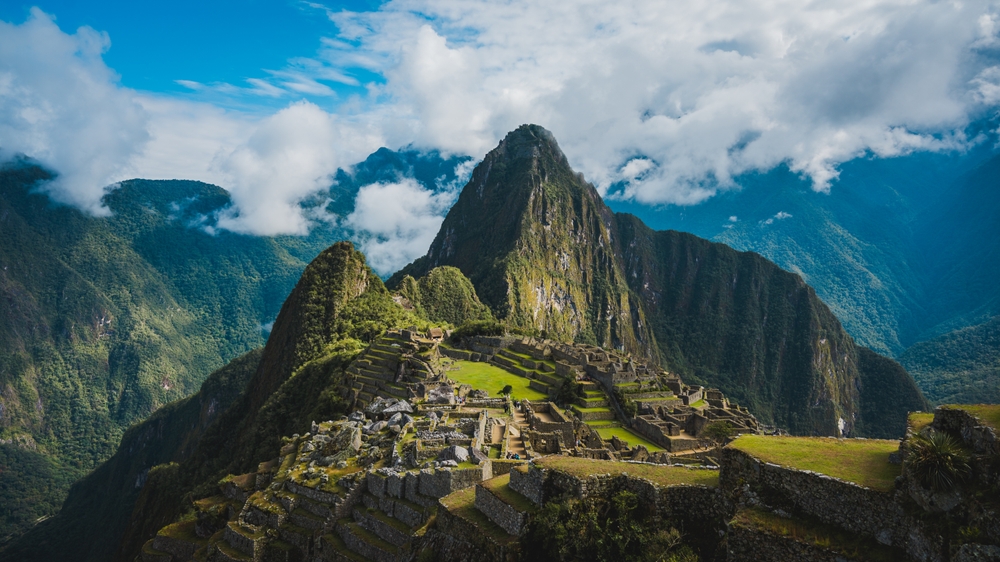
Why it lives up to the hype: A 15th-century Incan city perched on a mountain ridge 8,000 feet up, surrounded by peaks and often shrouded in mist. The engineering alone is mind-blowing. The setting is genuinely breathtaking. The history is fascinating. It delivers on every level.
Yes, it’s crowded. Yes, everyone’s been there. But standing in those ancient plazas, watching clouds roll through the valleys below, seeing how precisely the stones fit together without mortar, you understand why it’s one of the New Seven Wonders. Some places earn iconic status by being genuinely incredible. This is one.
The journey there matters too. Whether you trek the Inca Trail, take the cheaper alternative treks, or ride the train, arriving at Machu Picchu feels earned. The site itself rewards exploration. Hire a guide for context, then wander on your own finding quiet corners.
Getting there: Fly into Cusco (CUZ) via Lima. From Cusco, it’s either a 4-day Inca Trail trek (permits required, book months ahead), alternative treks like Salkantay (cheaper, permits easier), or train to Aguas Calientes then bus up. Budget option: take buses and walk part of the train route to save money.
Cost: Entrance ticket $50-65 depending on circuit. Train from Cusco/Ollantaytambo to Aguas Calientes runs $55-85 each way (local trains cheaper but harder to book). Bus from Aguas Calientes up to the site costs $12 each way, or walk it in 90 minutes. Overall budget in Cusco: $30-50 daily. Add $150-200 for Machu Picchu day trip via train.
When to visit: May to September is dry season (peak tourist time). April and October offer shoulder season deals with decent weather. November to March is rainy but cheaper and less crowded. Early morning visits beat afternoon crowds year-round. Keep in mind the Inca Trail is closed in February due to rain, maintenance and conservation.
Local tip: Stay overnight in Aguas Calientes to catch the first bus up and experience the site before the train groups arrive. Your Couchsurfing hosts can help plan the most affordable route.
3. Hagia Sophia – Istanbul, Turkey
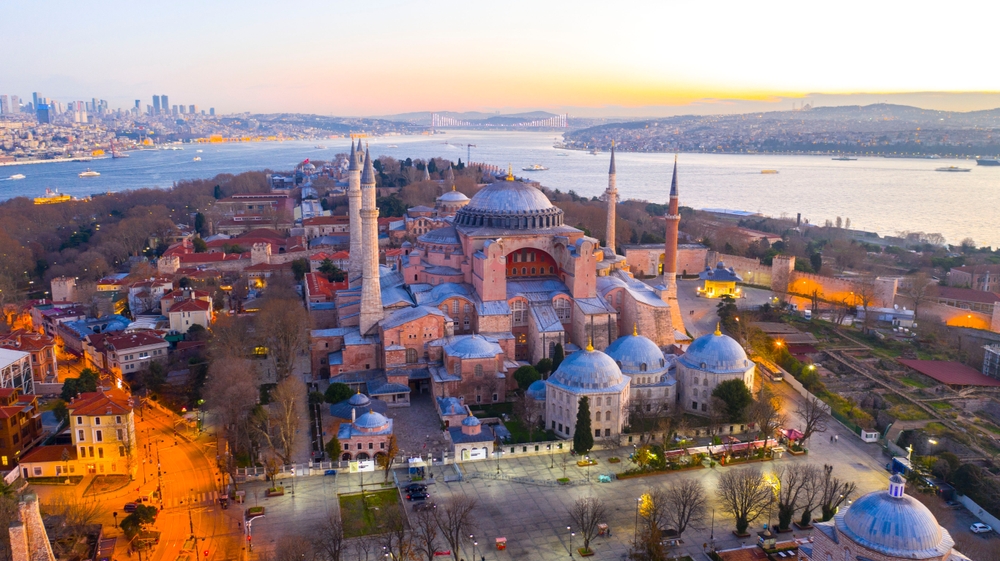
Why it lives up to the hype: A building that was the world’s largest cathedral for a thousand years, became a mosque, then a museum, now a mosque again. The history layered in these walls spans Roman, Byzantine, and Ottoman empires.
Walking inside, the scale hits you immediately. The massive dome seems to float. Light streams through windows. Christian mosaics coexist with Islamic calligraphy. The architecture influenced religious buildings for centuries. Photos don’t capture the feeling of standing in a space this significant, this old, this beautiful.
It’s free now that it’s a functioning mosque again, though non-Muslims can only visit outside prayer times. The nearby Blue Mosque, Basilica Cistern, and Topkapi Palace create a full day of incredible history all within walking distance.
Getting there: Fly into Istanbul Airport (IST) or Sabiha Gokcen (SAW). Metro connects both to the city center. From the airport to Sultanahmet (old city), figure 60-90 minutes. Within the city, trams and metro go everywhere.
Cost: Hagia Sophia is free. Most major mosques are free. Museums charge $10-20 admission. Overall daily budget: $25-40 including accommodation and food. Istanbul offers incredible value for a major global city.
When to visit: April-May and September-October offer the best weather and manageable crowds. Summer (June-August) is hot and packed. Winter is cold but cheap and less crowded. Visit Hagia Sophia early morning or late afternoon to avoid peak tourist hours.
Local tip: Your Couchsurfing host can explain the complex history better than guidebooks and show you the surrounding Byzantine ruins tourists walk past without noticing.
4. Petra – Wadi Musa, Jordan
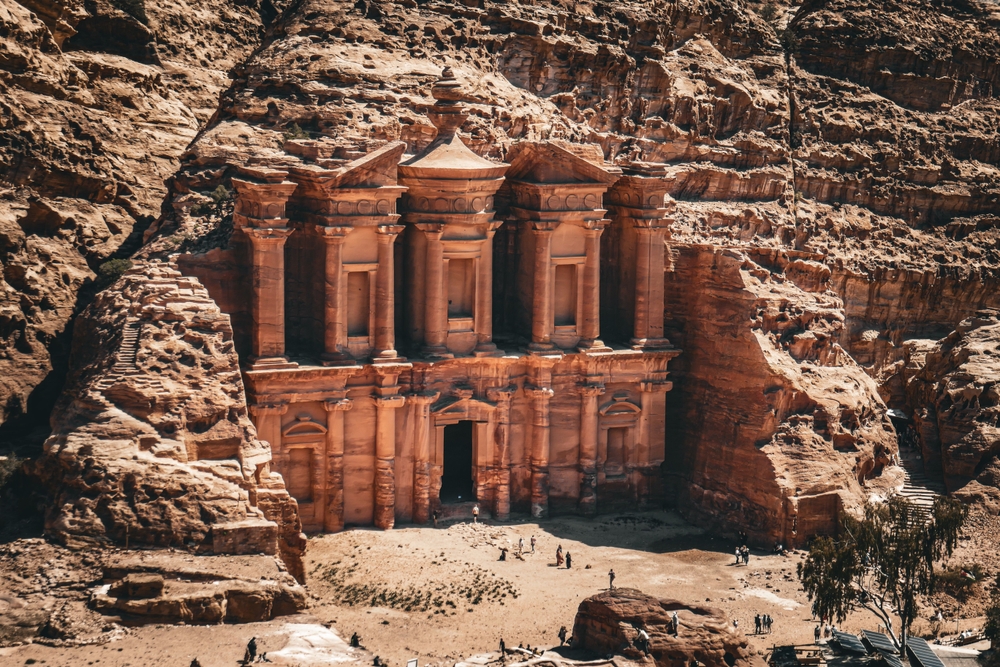
Why it lives up to the hype: A city carved into rose-red cliffs by the Nabataeans 2,000 years ago, hidden in the desert, accessible through a dramatic narrow gorge. The Treasury facade emerging as you exit the Siq corridor justifies every Indiana Jones reference you’ve heard.
But Petra is massive beyond that famous shot. The Monastery (bigger than the Treasury) requires climbing 800 steps but rewards with incredible views and fewer crowds. Royal Tombs, Roman theater, High Place of Sacrifice, you need multiple days to explore properly.
The scale and preservation are remarkable. Walking through streets carved from solid rock, seeing the detail in facades, climbing to viewpoints overlooking the entire site, it exceeds expectations even for people who’ve seen a thousand photos.
Getting there: Fly into Amman (AMM). From Amman to Wadi Musa, JETT buses run daily for about $12, taking 3-4 hours. Shared taxis and minibuses offer cheaper but less comfortable alternatives. Many travelers combine Petra with Wadi Rum desert.
Cost: One-day entry: $70. Two-day: $85. Three-day: $100. Prices are high, but considering preservation costs and what you’re seeing, it’s worth it. Stay in Wadi Musa: budget hotels $15-25, hostels $10-15. Overall daily budget: $30-45 excluding entry ticket.
When to visit: March-May and September-November offer the best weather. Summer (June-August) is brutally hot. Winter (December-February) can be cold but sees fewer tourists. Start exploring at opening time (6am) to avoid heat and crowds.
Local tip: Bring snacks and lots of water. Food inside is expensive and limited. Comfortable shoes are essential. Your host can help arrange the cheapest transportation and recommend which areas to prioritize if you’re only doing one day.
5. Taj Mahal – Agra, India
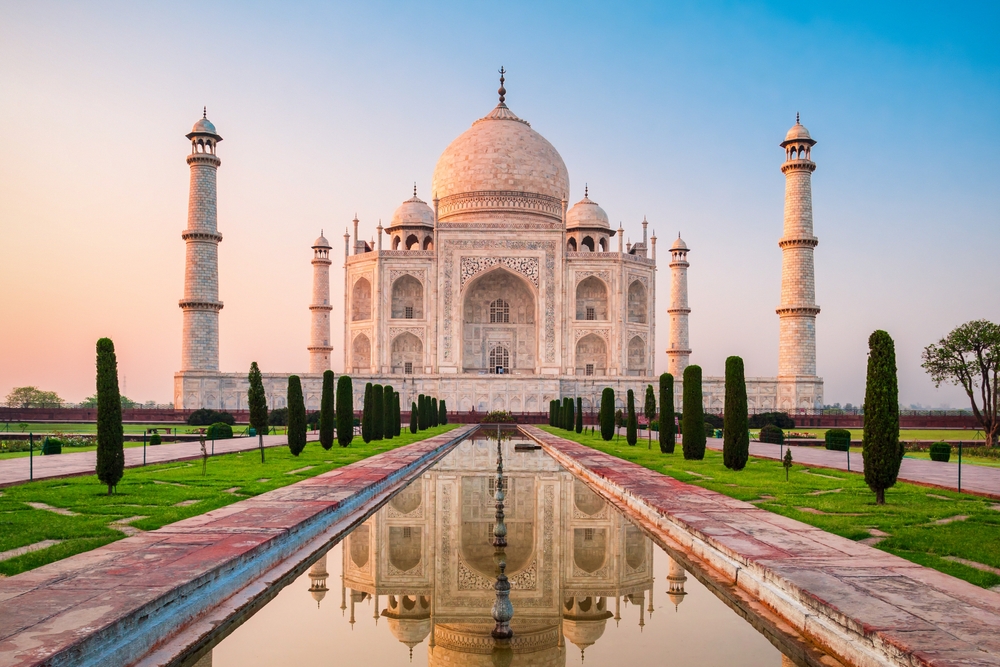
Why it lives up to the hype: The most beautiful building on earth according to many who’ve seen it in person. Emperor Shah Jahan built it as a mausoleum for his wife in the 1600s. The white marble, the symmetry, the inlay work, the scale, it’s architectural perfection.
Seeing it in photos your whole life doesn’t diminish the impact of seeing it in person. The proportions, the way light changes the marble’s color throughout the day, the craftsmanship visible up close, it’s one of those rare monuments that exceeds expectations rather than disappoints.
Sunrise visits offer the best light and fewer crowds. The reflecting pools create iconic shots, but walking around the structure seeing the detailed marble inlay work reveals the real artistry.
Getting there: Fly into Delhi (DEL), then train to Agra (2-3 hours, $5-20 depending on class). Buses run frequently for similar prices but take longer. Many visitors do sunrise at Taj Mahal, then return to Delhi same day. Agra airport exists but limited domestic flights.
Cost: Taj Mahal entry: $15 for foreigners (Indians pay less). Open sunrise to sunset except Fridays. Agra Fort (also incredible): $8. Overall daily budget in Agra: $20-35 including accommodation and food. India offers extreme budget travel value.
When to visit: October-March offers pleasant weather. Summer (April-June) is scorching. Monsoon (July-September) brings rain but fewer crowds and dramatic skies. Sunrise visits require arriving by 6am, but worth it for the light and manageable crowds.
Local tip: Full moon nights, they open for night viewing (extra ticket required, limited availability). Book ahead if your timing works. Your Delhi or Agra host can explain the fastest transportation options and help navigate the chaotic train station.
6. Iguazu Falls – Foz do Iguaçu, Brazil / Puerto Iguazú, Argentina
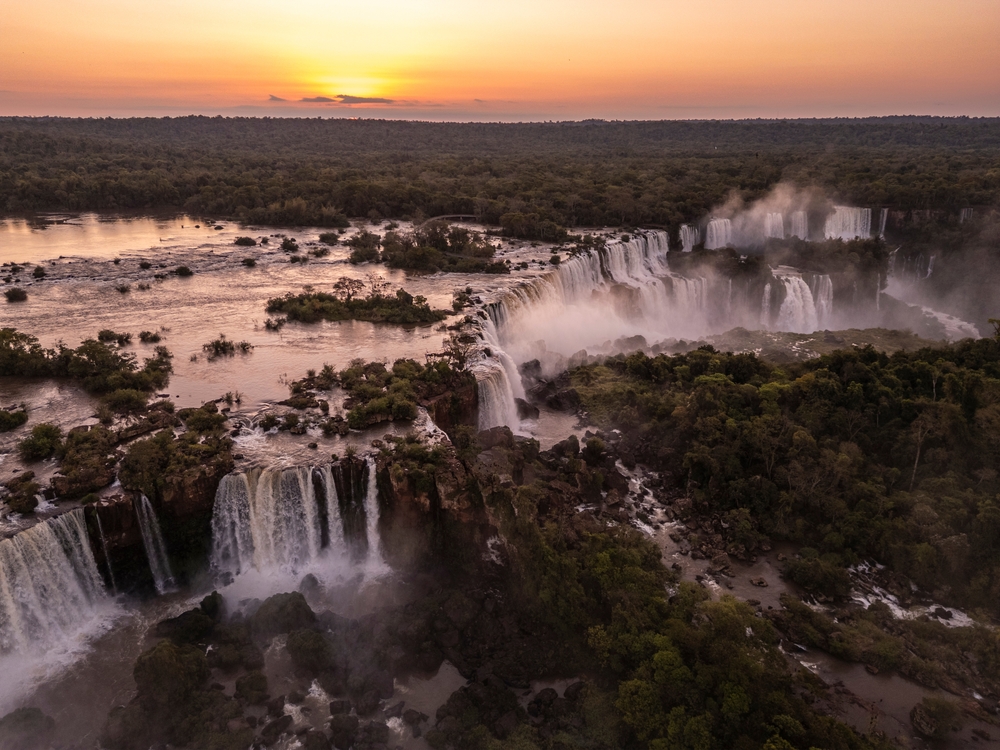
Why it lives up to the hype: The most voluminous waterfall system on earth. Not one fall but 275 separate cascades stretching nearly 2 miles across the border between Brazil and Argentina. The sound alone is incredible. The mist creates rainbows. The scale makes Niagara look modest.
The Brazilian side offers panoramic views of the entire system. The Argentine side puts you right in it with walkways extending to the edge of Devil’s Throat, where millions of gallons plunge 80 meters. Both sides deserve visits. The power of that much water moving that fast, the jungle setting, the wildlife, it’s nature at its most dramatic.
Eleanor Roosevelt supposedly said “Poor Niagara” upon seeing Iguazu. That quote captures it.
Getting there: Fly into Foz do Iguaçu (IGU) on Brazilian side or Puerto Iguazú (IGR) on Argentine side. Both airports connect to São Paulo, Buenos Aires, and regional cities. Buses run between the towns and to the park entrances frequently for $3-5.
Cost: Brazilian park entry: $20. Argentine park entry: $25. Two-day Argentine pass: $35. Overall daily budget: $30-45. The region is affordable for South America. Hostels run $10-18. Street food and local restaurants stay cheap.
When to visit: March-May and August-October offer the best balance of water volume and weather. June-July is cooler but lower water. December-February is hot and crowded but highest water volume. Avoid Easter and Brazilian holidays when parks get packed.
Local tip: Stay on the Argentine side (cheaper accommodation) and visit both parks. Your host can explain the border crossing process, help with transportation, and recommend the best trails and times to avoid crowds.
7. Bagan Temples – Bagan, Myanmar
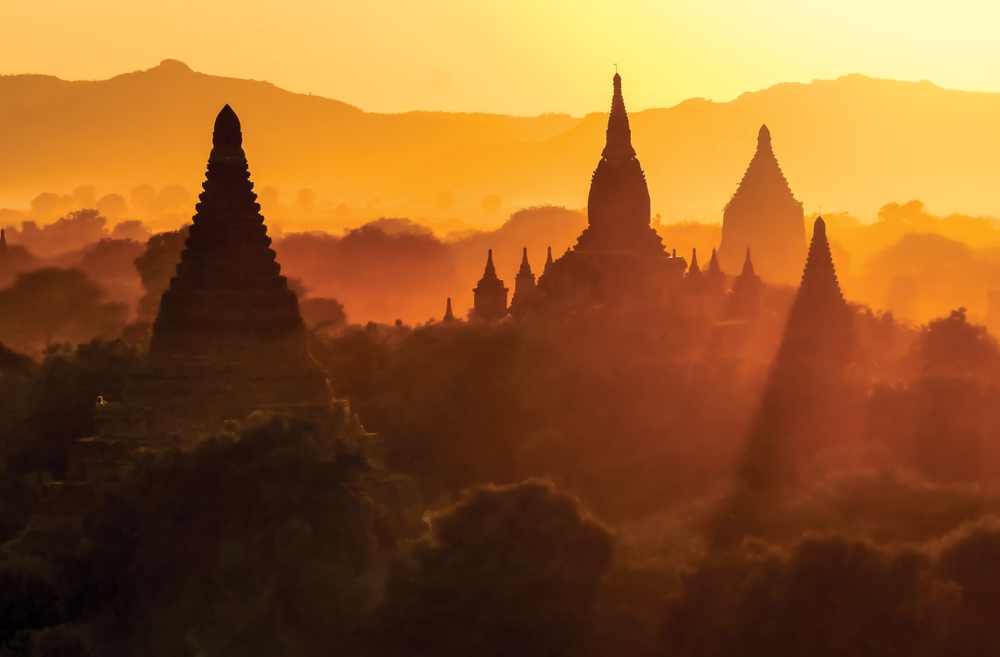
Why it lives up to the hype: Over 2,000 Buddhist temples and stupas scattered across plains, built between the 11th and 13th centuries. Sunrise hot air balloons floating over ancient temples with mist in the valleys creates one of the most striking landscapes on earth.
You can explore by e-bike, stopping at whichever temples call to you. Some are massive and tourist-filled. Others are small, abandoned, and completely empty. Climbing certain temples for sunset views, wandering through ancient corridors, seeing the sheer number of structures spread across miles, it’s genuinely magical.
The balloon rides are expensive but worth it if you can swing it. Even from ground level, watching balloons drift over temples at sunrise delivers.
Getting there: Fly into Mandalay (MDL) or Yangon (RGN), then bus to Bagan (8-9 hours from Yangon, 5-6 from Mandalay, both around $10-20). Domestic flights to Nyaung U airport near Bagan run $50-100 and save significant time. Some travelers take the boat from Mandalay (full day, beautiful but slow).
Cost: Bagan Archaeological Zone entry: $25 for 5 days. E-bike rental: $3-5 daily. Hot air balloon: $300-400 (splurge but incredible). Overall daily budget: $25-40 including accommodation and food. Myanmar offers excellent value despite recent tourism changes.
When to visit: November-February offers the best weather (cool and dry). March-May is scorching. June-October is monsoon season (fewer tourists, lower prices, but rain disrupts plans). Sunrise balloon season runs October-March.
Local tip: Wake up early for sunrise, rest during midday heat, explore again at sunset. Your host can recommend lesser-known temples and help arrange e-bike rentals and balloon bookings.
8. Dubrovnik Old Town – Dubrovnik, Croatia
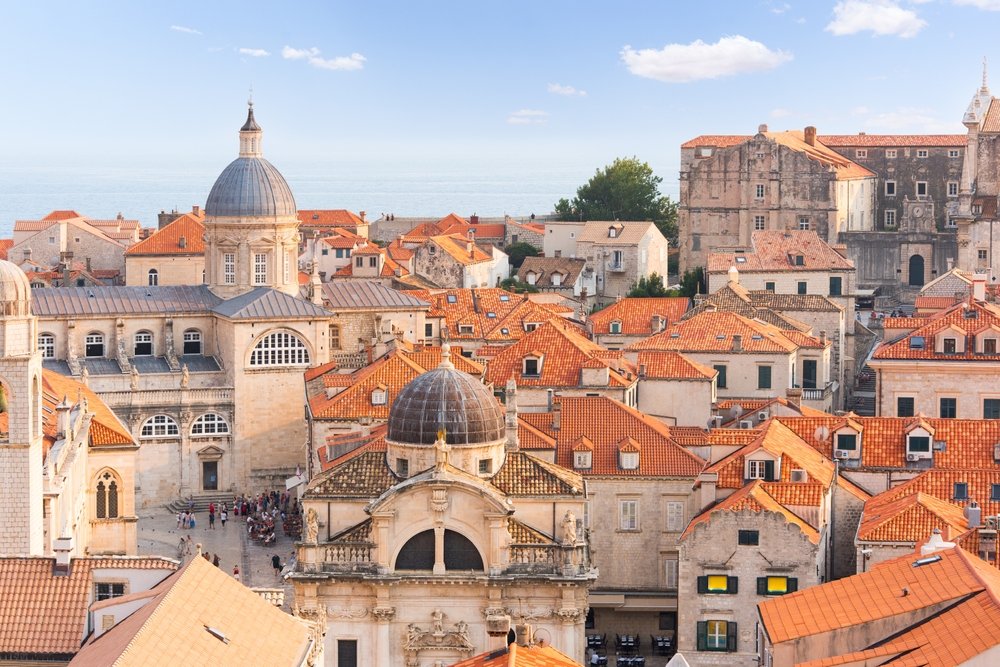
Why it lives up to the hype: A perfectly preserved medieval walled city jutting into the Adriatic Sea. Marble streets, baroque buildings, the city walls offering views of terracotta roofs and blue water, it’s genuinely stunning.
Yes, Game of Thrones tourism exploded here. Yes, cruise ships dump thousands of tourists daily. But walk those walls at sunrise before the crowds arrive and you understand why UNESCO protects it. The architecture, the setting, the history, it delivers.
Beyond the obvious tourist spots, exploring the walls thoroughly, finding quiet corners in the early morning, and swimming at the beaches just outside the old town show you why people fall in love with this place.
Getting there: Fly into Dubrovnik (DBV). Direct flights from most European cities. Buses connect to Split (4.5 hours, $15-25), Zagreb (10 hours, $30-45), and other Balkan cities. Ferries run to nearby islands and up the coast.
Cost: Old Town entry is free. City walls: $35 (worth it for the views). Museums charge $5-15. Daily budget: $40-60. Croatia isn’t as cheap as it used to be, but still reasonable by Western European standards. Accommodation in or near Old Town is pricey; Couchsurfing becomes especially valuable here.
When to visit: May-June and September-October offer the best balance of weather and crowds. July-August brings heat, crowds, and high prices (especially when cruise ships dock). November-April sees few tourists but many businesses close.
Local tip: Visit city walls at 8am opening to avoid crowds and heat. Your host can show you local beaches, recommend restaurants away from touristy Stradun street, and explain the best times to explore without cruise ship hordes.
9. Borobudur Temple – Yogyakarta, Indonesia
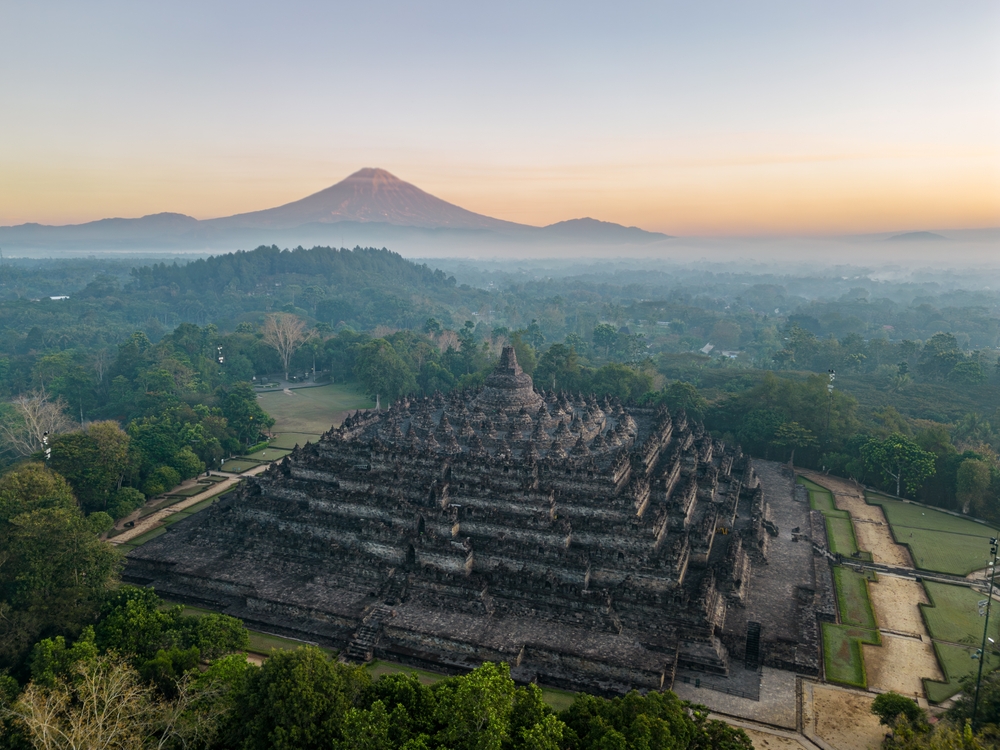
Why it lives up to the hype: The world’s largest Buddhist monument, built in the 9th century, rising from the jungle in central Java. Nine stacked platforms topped by a central dome, covered in relief panels and Buddha statues. Sunrise here rivals Angkor Wat for atmosphere.
The design represents Buddhist cosmology, you ascend through levels representing the path to enlightenment. The stone carvings tell stories. The whole structure radiates intentionality and meaning beyond just being impressive architecture.
Combine it with nearby Prambanan (Hindu temple complex) and you’ve got two UNESCO World Heritage sites in one region. The surrounding countryside, traditional villages, and Javanese culture add layers beyond the monuments themselves.
Getting there: Fly into Yogyakarta (JOG). Connections from Jakarta, Bali, and other Indonesian cities. From Jogja center to Borobudur: 1.5 hours by bus ($3-5) or arranged transport. Most visitors do sunrise tours (leave Jogja at 3:30am).
Cost: Borobudur sunrise ticket: $30. Regular entry: $25. Prambanan: $25. Combined tickets offer slight savings. Daily budget in Jogja: $20-35 including accommodation and food. Indonesia remains incredibly affordable.
When to visit: April-October is dry season (best weather). November-March brings rain but fewer crowds and green landscapes. Sunrise visits require 4:30am arrival. During Vesak (Buddhist holiday, usually May), special ceremonies happen, check dates if you’re interested in that experience.
Local tip: Skip organized sunrise tours if you can. Arrange shared transport with your host or other Couchsurfers for much cheaper. Stay afterward to explore when tour groups leave. Your host can explain the symbolism that tourist guides rush through.
10. Tikal National Park – Flores, Guatemala
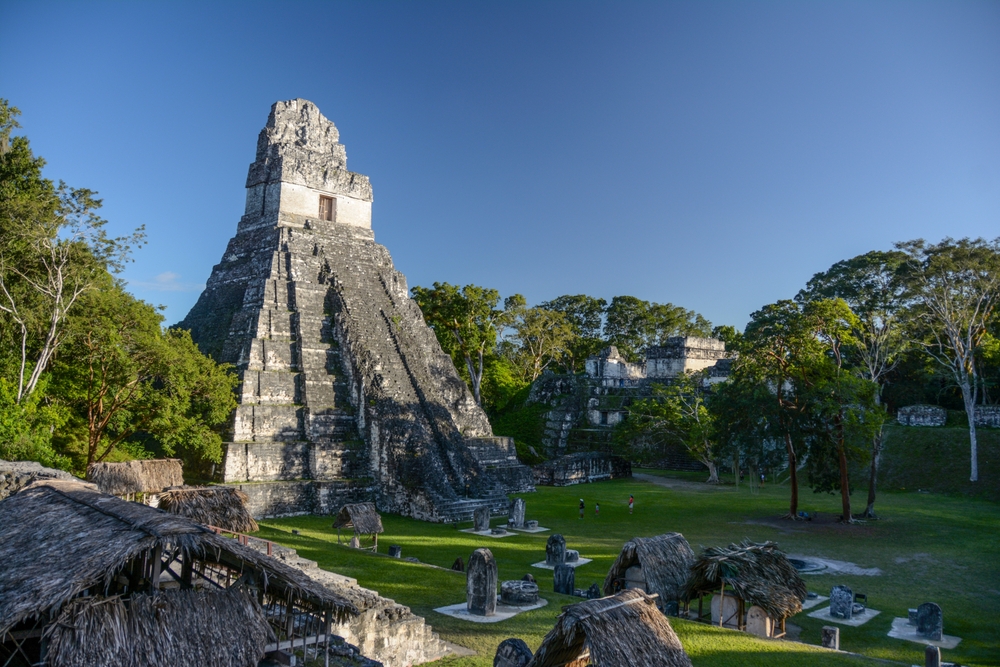
Why it lives up to the hype: Massive Mayan temples rising from Guatemala’s jungle, some still partially buried under vegetation. Climb Temple IV and stand above the rainforest canopy with temple peaks emerging through the trees. Howler monkeys provide the soundtrack. It’s Indiana Jones level adventure.
The scale surprises people. Tikal was a major city, and the ruins spread across miles of jungle. You can explore for full days, discovering temples and plazas tourists skip. Wildlife is everywhere, monkeys, toucans, coatis, maybe even a jaguar if you’re incredibly lucky.
Unlike some archaeological sites that feel like outdoor museums, Tikal feels like exploration. The jungle setting, the wildlife, the fact that many structures aren’t fully excavated, it maintains a sense of discovery.
Getting there: Fly into Flores (FRS) from Guatemala City. Buses from Antigua take 8-10 hours overnight ($20-30). From Flores to Tikal: 1 hour by shuttle ($10-15 round trip) or chicken bus ($5 round trip but less comfortable). Many stay in Flores and day-trip to Tikal.
Cost: Tikal entry: $20. Sunrise entry: $30 (requires 4am arrival but worth it). Daily budget around Flores/Tikal: $25-40. Guatemala offers excellent budget travel value. Flores accommodation ranges from $8 hostels to $25 hotels.
When to visit: November-April is dry season (best for hiking and wildlife spotting). May-October brings rain but fewer tourists and dramatic jungle atmosphere. Sunrise visits offer the best wildlife activity and that famous view of temples emerging from morning mist.
Local tip: Stay overnight at one of the lodges near the park entrance to catch sunrise without 3am departure from Flores. Or coordinate with your host and other travelers to share early morning transportation costs. Bring bug spray. The mosquitoes are serious.
Why These Places Work
Notice the pattern? These sites became famous for legitimate reasons. The hype isn’t manufactured marketing. They’re genuinely special.
But experiencing them well requires strategy. Go at the right times, stay longer than one rushed visit, connect with locals who know how to avoid crowds, and approach them as cultural and historical sites rather than just photo opportunities.
That’s where Couchsurfing becomes valuable. Hosts in these destinations have seen the tourist patterns. They know when cruise ships arrive in Dubrovnik, which Bagan temples stay empty, how to experience Machu Picchu without the crowds, when to visit Petra to beat the heat.
They also provide context guidebooks miss. The history behind Hagia Sophia’s architectural evolution. The cultural significance of Borobudur beyond “cool temple.” The geopolitical complexity of living on the Brazil-Argentina border. That local knowledge transforms visiting famous places into understanding them.
Plus, Couchsurfing solves the budget problem. These destinations aren’t dirt cheap (entry fees add up), but connecting with hosts for free accommodation makes them accessible on backpacker budgets. You spend money on the experience rather than just surviving.
So pick one. Book a flight. Find a host. Experience something genuinely incredible that lives up to every photo you’ve seen and exceeds expectations you didn’t know you had.
Some places earn their fame honestly. These ten did.