Some places just get it. Infrastructure that works, locals who don’t hate tourists yet, prices that let you stay a while, and that intangible vibe that makes traveling feel easy instead of exhausting.
These five consistently top the list for good reasons. They’ve figured out how to welcome travelers without losing what makes them special.
Taiwan
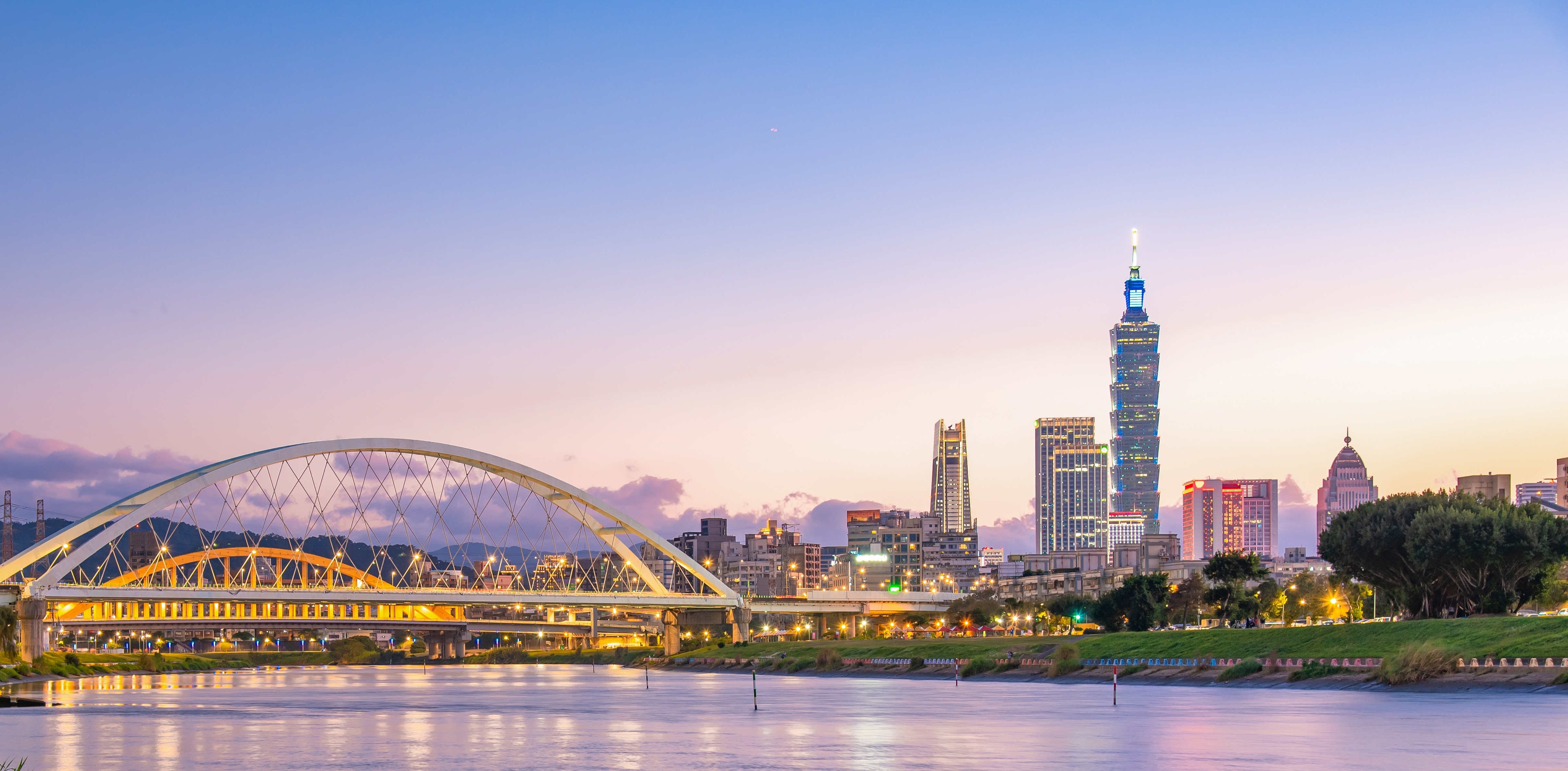
Taiwan doesn’t get the attention it deserves, which works in your favor. Less crowded than Japan, more developed than Southeast Asia, and weirdly welcoming to random visitors.
The transportation system rivals Japan’s efficiency at a fraction of the cost. The high-speed rail connects north to south in hours. Local trains hit smaller towns reliably. Buses go everywhere trains don’t. In Taipei, the metro makes perfect sense with bilingual signs, clear maps, and trains that actually run on schedule.
English signage appears everywhere. Younger Taiwanese often speak conversational English. Even when language barriers exist, people go out of their way to help. The culture values hospitality and seems genuinely curious about foreign visitors rather than exhausted by them.
Safety feels absolute. Taiwan ranks among the world’s safest places. Solo travelers, female travelers, anyone: you’ll feel comfortable. Violent crime barely exists. The most dangerous thing you’ll encounter involves crossing streets where scooters dominate traffic.
The food scene deserves its own paragraph. Night markets overflow with cheap, incredible eats. Beef noodle soup, stinky tofu, oyster omelets, bubble tea (yeah, it started here), shaved ice and it all costs next to nothing. Street food you’d pay $15 for in the West runs about $2-3. Even sit-down restaurants stay surprisingly affordable.
Nature accessibility stands out. Mountains ring the island. Hot springs bubble up in various regions. The east coast offers dramatic cliffs meeting ocean. Taroko Gorge’s marble canyons blow minds. All of this stays accessible via public transport or affordable tours.
What makes it travel-friendly: Everything works. Public WiFi blankets cities. Convenience stores (7-Eleven, FamilyMart) on every corner sell actual meals plus handle bill payments and transit cards. Healthcare quality ranks high if you need it. The combination of Japanese efficiency, Chinese culture, and its own unique identity creates something special.
Slovenia
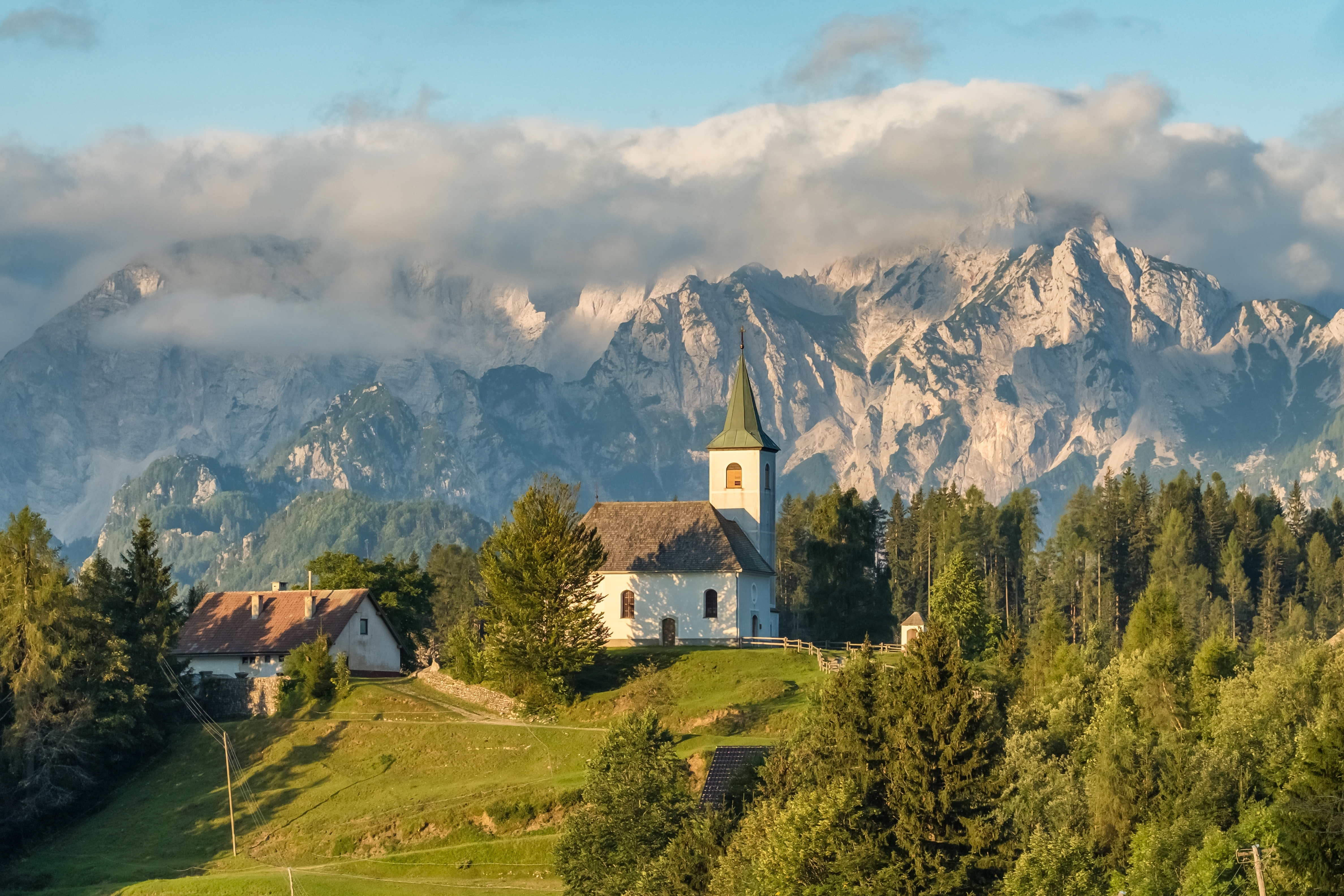
Europe’s hidden gem that’s not so hidden anymore, but still manageable. Slovenia packs absurd natural beauty into a tiny country where everything stays accessible.
The whole country is roughly the size of New Jersey, which means you can base yourself in Ljubljana and day-trip almost anywhere. Lake Bled’s fairytale castle island sits an hour away. The Julian Alps provide serious hiking. The Adriatic coast peeks in at the southwest corner. Caves, rivers, forests: all compact and connected.
Infrastructure works smoothly. Buses link every town. Trains cover major routes. Roads stay well-maintained for those renting cars. Ljubljana’s old town walks easily in an afternoon but rewards longer stays with cafe culture and riverside hangouts.
English fluency is high. Slovenia’s small population means locals learn multiple languages out of necessity. Tourism industry workers all speak English. Even outside tourist zones, you’ll find English speakers, especially among younger Slovenians.
Safety never becomes a concern. Slovenia ranks as one of Europe’s safest countries. The crime rate sits low. Solo travelers feel comfortable everywhere. The biggest risk involves overindulging in excellent wine.
The prices undercut Western Europe significantly while matching quality. Hostels cost half of what you’d pay in Italy or Austria next door. Restaurant meals satisfy for €10-15. Even Ljubljana, the capital, stays affordable compared to other European capitals.
What makes it travel-friendly: Stunning landscapes without the hassle of huge countries. Friendly locals who welcome visitors. Infrastructure that functions efficiently. Enough tourism development to make things easy without turning into Disneyland. Plus, it borders Italy, Austria, Hungary, and Croatia, perfect for multi-country trips.
Japan
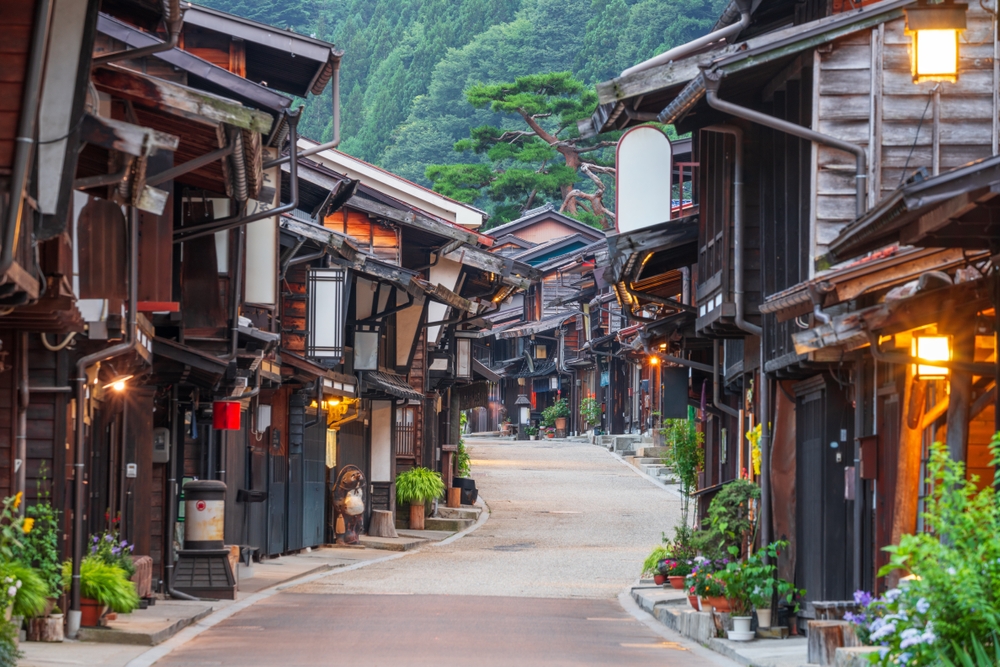
Japan should intimidate first-time visitors more than it does. Instead, it’s weirdly easy once you figure out the basics.
The transportation system is legendary. Trains everywhere, always on time, clean and efficient. The Japan Rail Pass makes unlimited travel affordable for tourists. In cities, metros navigate logically with color-coded lines and English signs. Even the buses make sense once you learn the payment system.
Language barriers exist, Japanese people’s English levels vary widely. But the tourism infrastructure compensates. Signs include English. Translation apps work well. Japanese people’s helpfulness when you look lost borders on comical, they’ll often walk you directly to your destination rather than just point.
Safety exceeds almost anywhere else. You could leave your laptop on a cafe table and return an hour later to find it untouched. Violent crime barely registers. Streets feel safe any time of day. Vending machines on dark corners don’t get vandalized. It’s kind of surreal.
The culture of service means things function smoothly. Restaurants, hotels, trains, shops: everything runs with consideration for user experience. Toilets have more features than your phone. Convenience stores sell legitimate food. The obsession with doing things properly benefits travelers constantly.
Technology integration helps navigation. Free WiFi in many areas. Mobile hotspot rentals at airports. Apps for everything: trains, subways, restaurant reservations, translation. The tech-forward culture makes traveling easier despite language gaps.
What makes it travel-friendly: Systems that work flawlessly. Safety you don’t even think about. Food from $5 convenience stores to Michelin stars. Cultural experiences from ancient temples to robot restaurants. The mix of traditional and modern creates constant interest. Yes, it’s expensive compared to Southeast Asia, but budget options exist everywhere.
Singapore
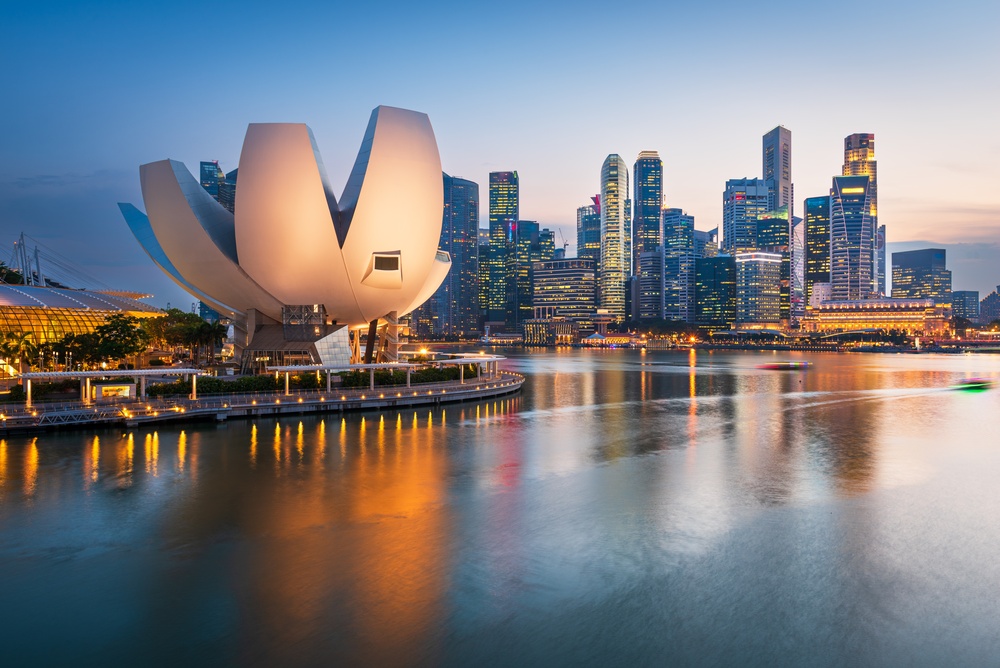
The easiest city-state on earth for travelers. Singapore functions like someone designed a place specifically to make visiting simple.
English is an official language. Everyone speaks it. Signs, announcements, menus are all in English plus Chinese, Malay, and Tamil. Zero language barrier stress.
The transportation system is pristine. The MRT (metro) connects everything. Buses supplement where trains don’t reach. Taxis and Grab cars cost little. Everything’s clean, air-conditioned, and runs exactly on schedule. First-time visitors figure it out in minutes.
Safety is absolute. Singapore’s laws are famously strict, which means crime stays virtually nonexistent. Solo travelers of any type feel totally comfortable. The most dangerous thing you’ll encounter is overeating at hawker centers.
The food scene delivers incredible variety. Hawker centers serve Chinese, Malay, Indian, and fusion dishes for $3-5 per meal. Michelin-starred street food stalls exist. High-end dining represents every cuisine imaginable. It’s a food paradise at all price levels.
The city itself stays spotlessly clean and well-maintained. Parks everywhere. Gardens by the Bay looks like science fiction. The waterfront areas mix old and new architecture beautifully. Everything’s walkable despite the heat and humidity.
What makes it travel-friendly: Zero friction in daily logistics. Cultural diversity means food and neighborhood variety. English everywhere. Perfect base for exploring Southeast Asia with cheap flights to everywhere. Yes, Singapore’s expensive by regional standards, but hawker centers keep food costs down. Hostels exist in reasonable price ranges. Most attractions are free or cheap.
Iceland
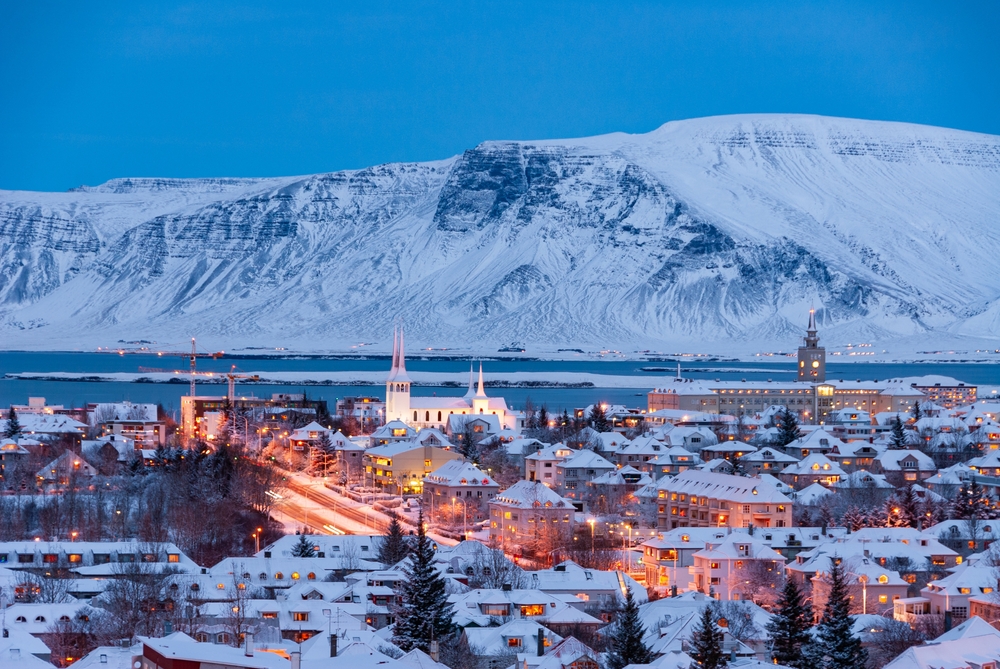
Remote island in the North Atlantic that’s somehow become one of the most accessible destinations. Iceland makes experiencing raw nature surprisingly easy.
The tourism infrastructure developed rapidly and intelligently. Rental cars make sense for exploring, but organized tours reach everything if you don’t drive. Roads stay well-maintained. Gas stations dot even remote areas. Mobile coverage works almost everywhere.
English proficiency is universal. Every Icelander speaks it fluently. No language barrier whatsoever. Signs include English. Menus, museums, everything: zero communication stress.
Safety ranks extremely high. Iceland’s crime rate barely registers. The biggest dangers involve nature, weather changes fast, ocean waves surprise people, geothermal areas have actual boiling water. Respect nature warnings and you’re fine.
The landscapes deliver constant amazement. Waterfalls everywhere. Glaciers, volcanoes, hot springs, black sand beaches, Northern Lights in winter, midnight sun in summer. The whole island feels otherworldly. Most attractions are free, nature doesn’t charge admission.
The Ring Road circles the entire island, making navigation simple. Major sights sit right off this main highway. Even remote places stay accessible with decent planning.
What makes it travel-friendly: Nature experiences without jungle trekking or dangerous wildlife. Infrastructure that works despite remote locations. English everywhere. Safe for solo travelers. Clear tourist trail but still feels adventurous. The downside: it’s expensive. Very expensive. But camping, self-catering, and choosing your splurges carefully makes it manageable.
