Showing up anywhere during its biggest festival isn’t just good timing, it’s a completely different country. The food is better, the streets are alive, and suddenly every door that’s usually closed swings wide open. This is how you stop being a visitor and start actually being there.
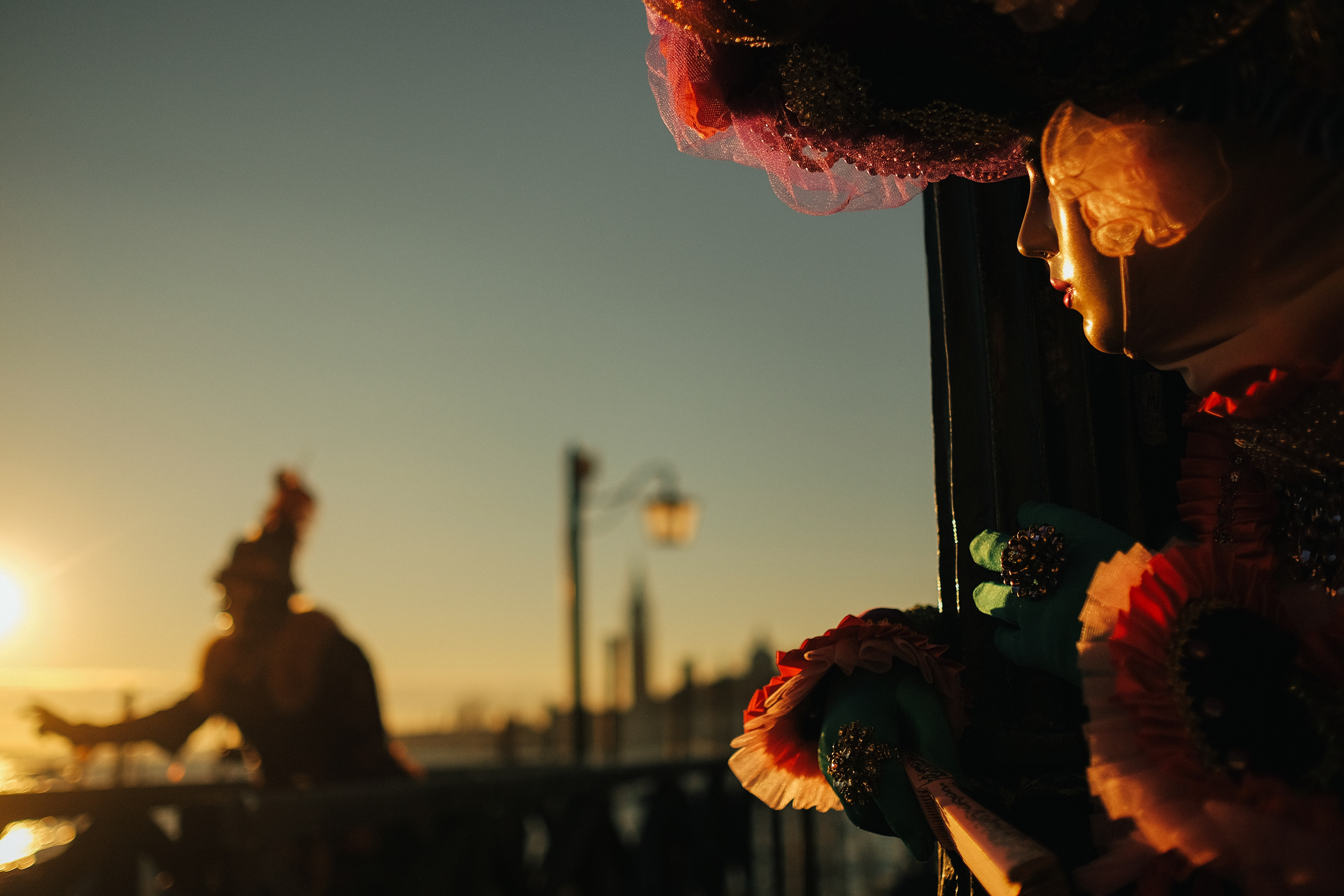
Look, you could show up to a city on any random Tuesday. Or you could time it so you’re there when the whole place loses its mind in the best possible way.
Festivals aren’t just about the event itself, they’re about the energy shift that happens when thousands of people decide normal rules don’t apply for a few days. Streets close. Strangers become friends. Your carefully planned itinerary goes out the window and somehow that’s exactly what needed to happen.
Here are five festivals worth building your entire trip around. Dates can change year over year so double check this year’s festival dates before you book that flight!
Las Fallas – Valencia, Spain (March 15-19)
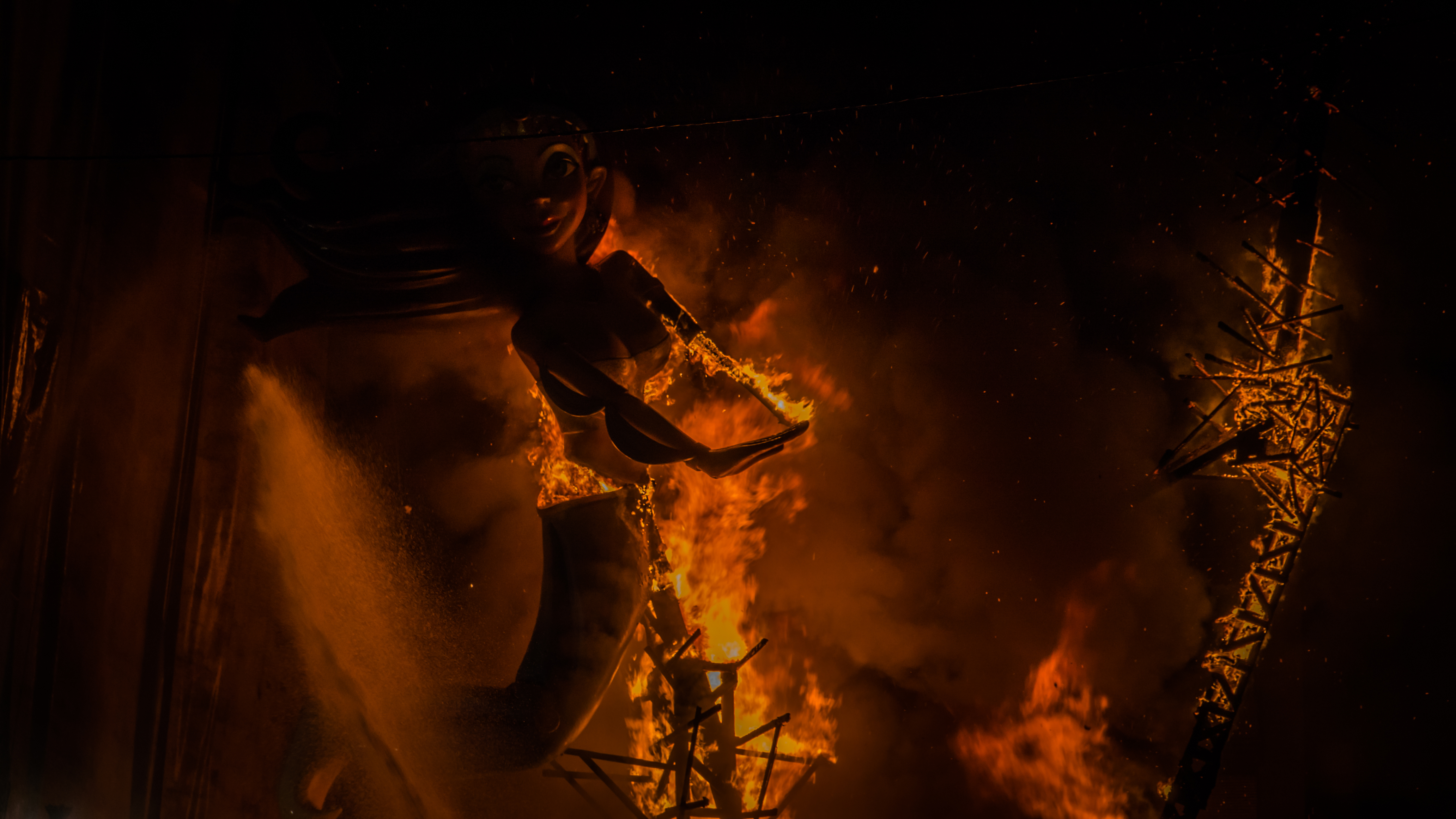
Picture this: An entire city spends a year building massive, intricate sculptures out of wood and papier-mâché, parades them through the streets, and then sets them all on fire. That’s Fallas. All of them except one, the crowd votes to save a single sculpture for the museum. The rest? Up in flames on the final night.
When: March 15-19 (burning night is March 19, St. Joseph’s Day)
Where: Valencia, Spain’s third-largest city on the Mediterranean coast
Valencia transforms completely during Fallas. Every neighborhood builds their own falla, these satirical monuments that poke fun at politicians, celebrities, current events. Some reach several stories tall. The craftsmanship is genuinely stunning, which makes watching them burn even more intense.
But Fallas isn’t just about the sculptures. Daily fireworks competitions shake the city at 2pm sharp, locals call it the mascletà, and it’s less about visual spectacle and more about pure noise that rattles your chest. At night, massive street parties take over, vendors sell buñuelos (fried dough that’ll ruin your diet), and the whole city smells like gunpowder and sugar.
Why go: The combination of art, fire, chaos, and Spanish party culture creates something you can’t replicate anywhere else. Plus, Valencia in March has perfect weather and way fewer tourists than Barcelona. Couchsurfing hosts here get flooded with requests during Fallas so send yours early and mention which neighborhood fallas you want to see. Locals have strong opinions about which ones are best.
Budget tip: Accommodation prices triple, but if you can score a Couchsurfing stay, you’re golden. The street events are all free. Bring earplugs for sleeping though, the city doesn’t quiet down.
Songkran – Thailand (April 13-15)
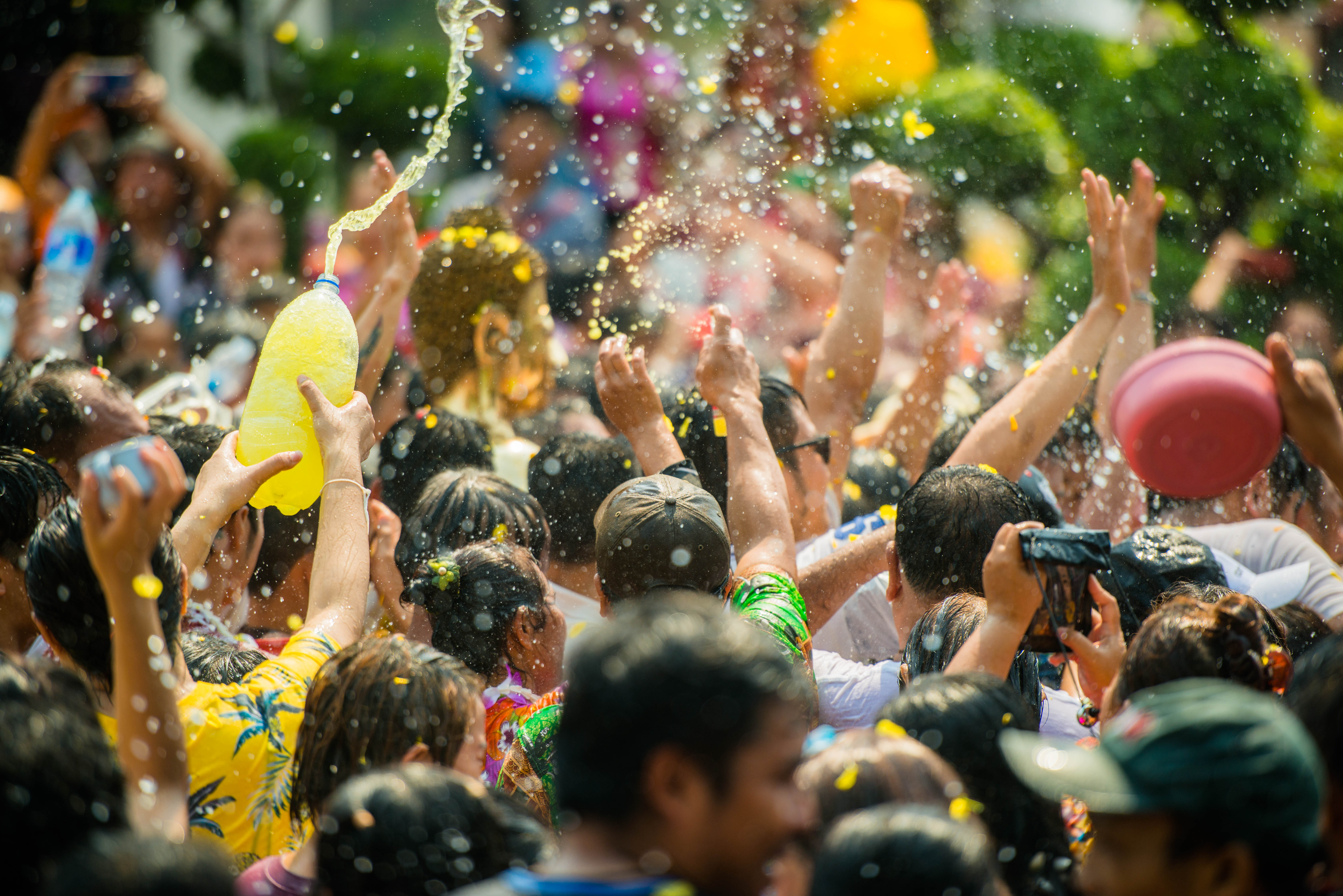
Thailand’s New Year celebration has one simple rule: everyone gets soaked. What started as a respectful water blessing turned into the world’s largest water fight, and nobody’s complaining.
When: April 13-15 (though some cities stretch it longer)
Where: Nationwide, but Chiang Mai and Bangkok throw the biggest parties
The entire country shuts down for three days of water warfare. Trucks filled with people and water barrels cruise the streets. Locals set up hose stations. Tourists buy water guns that could double as small weapons. Everyone’s a target. Monks, cops, that elderly woman on the corner. Nobody’s safe. It’s beautiful chaos.
Chiang Mai’s old city becomes ground zero. The moat provides endless ammunition. Street parties blur together into one long, wet celebration. Bangkok’s Khao San Road turns into a drenched nightclub under the sun. Smaller towns throw their own versions with more traditional elements: think water blessings mixed with local temple festivities.
Why go: It’s impossible to have a bad time when everyone’s laughing, soaked, and slightly drunk by noon. The heat in April makes the water feel less like an attack and more like relief. Plus, Songkran captures something essential about Thai culture: that sense of sanuk, the idea that life should be fun.
The festival also coincides with Thailand’s hottest month, so the timing works perfectly. Traditional elements still exist if you wake up early. Temple visits, offering food to monks, respectful water blessings for elders. But by midday, all bets are off.
Budget tip: Thailand’s already cheap, but prices spike during Songkran. Book accommodation early or find Couchsurfing hosts who’ll let you store dry clothes at their place. Waterproof everything. Your phone will get wet no matter how careful you think you’re being.
Carnival – Rio de Janeiro, Brazil (February/March, dates vary)
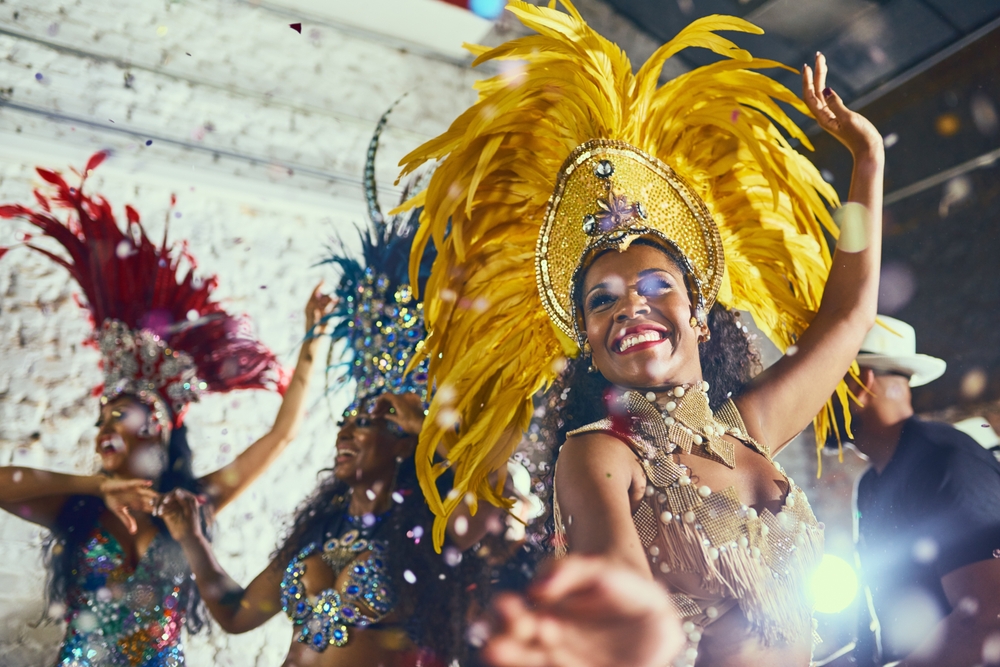
Carnival happens across Brazil and in various forms throughout Latin America, but Rio does it bigger, louder, and with more sequins than anywhere else. This is the festival other festivals dream about being.
When: Dates shift based on Easter (usually late February or early March), Friday through Fat Tuesday
Where: Rio de Janeiro, though Salvador and Recife throw legendary versions too
Rio’s Carnival centers on the Sambadrome: a purpose-built parade stadium where samba schools compete in an all-night extravaganza of floats, dancers, and coordinated chaos. Each school tells a story through their parade, and the competition gets fierce. Tickets range from cheap to obscene depending on your section.
But the real magic happens in the blocos, free street parties that take over different neighborhoods. Hundreds of blocos happen throughout Carnival week. Some draw millions of people. Band plays, crowd follows, everyone dances through the streets. Beer flows. Costumes range from elaborate to “I’m wearing a funny hat.” The energy feels less like a party and more like the city’s collective decision to celebrate existence.
Why go: Because it’s Carnival in Rio. That sentence does the heavy lifting. The scale, the passion, the music, the beautiful madness of it all! You either get it or you need to experience it to understand.
Beyond the main events, Rio itself transforms. Beaches fill with impromptu parties. Neighborhoods you’d normally skip become centers of celebration. The whole city operates on Carnival time, which means sleep becomes optional and anything before sunset feels pointless.
Budget tip: Rio isn’t cheap, and Carnival makes it worse. Accommodation books out months ahead. Couchsurfing becomes essential unless you want to pay hotel prices that make you cry. Many hosts throw Carnival parties or join blocos together so mention in your request that you want the local experience, not the tourist version. Bring costumes or buy cheap ones there. Stay hydrated. Pace yourself because this marathon lasts days.
Holi – India (March, date varies)
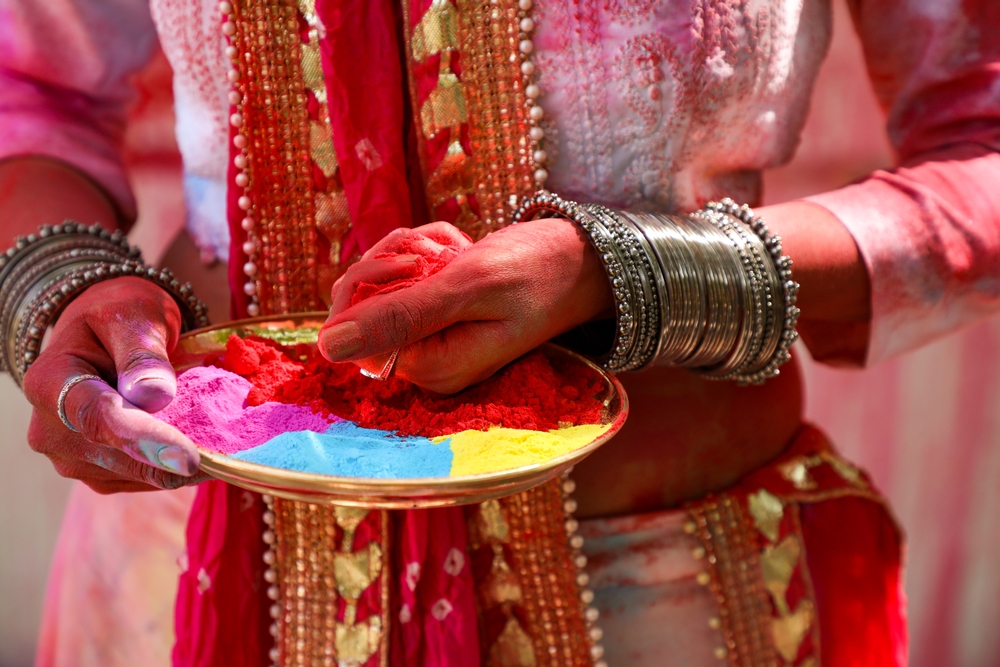
The festival of colors, spring, love, and throwing pigmented powder at strangers. Holi started as a Hindu celebration but evolved into something more universal: a sanctioned excuse to make a beautiful mess.
When: Full moon day in March (Phalguna month in Hindu calendar)
Where: Throughout India, but Mathura, Vrindavan, and Jaipur throw legendary celebrations
Holi starts with Holika Dahan the night before, bonfire ceremonies that symbolize burning away the old and evil. But the main event happens the next day when color takes over. Gulal powder in every shade gets thrown, smeared, and blasted via water guns. White clothes don’t stay white for long. Everyone becomes a walking rainbow.
Different regions celebrate differently. Mathura and Vrindavan, cities associated with Krishna, extend celebrations for days. Jaipur throws massive organized events. Smaller villages offer more intimate, traditional experiences. The vibe shifts from place to place, but the core remains: spring arrived, winter died, let’s celebrate with color.
Street parties erupt. Music plays. Bhang, a legal cannabis drink, flows freely in some areas, adding to the hazy joy. Strangers become friends through shared color attacks. The usual social barriers dissolve. Everyone’s equally messy.
Why go: Holi represents India at its most vibrant and welcoming. The festival’s message, good triumphs over evil, spring brings new life, gets communicated through pure, childlike joy. Plus, the photos are incredible.
You’ll get drenched in color, possibly slightly high from bhang if you choose, and definitely caught up in the infectious energy. Locals welcome foreign participation. Just respect the boundaries, not everyone playing is fair game, and “no” still means no even during festivals.
Budget tip: India’s already budget-friendly, and Holi doesn’t change that much. Wear clothes you don’t love because they won’t survive. Natural colors wash out easier than chemical ones, but honestly, assume everything’s ruined. Coconut oil on skin and hair before playing helps with cleanup. Couchsurfing hosts often invite surfers to play Holi with their families, which offers the authentic experience tourists pay tour companies for.
Oktoberfest – Munich, Germany (September/October)
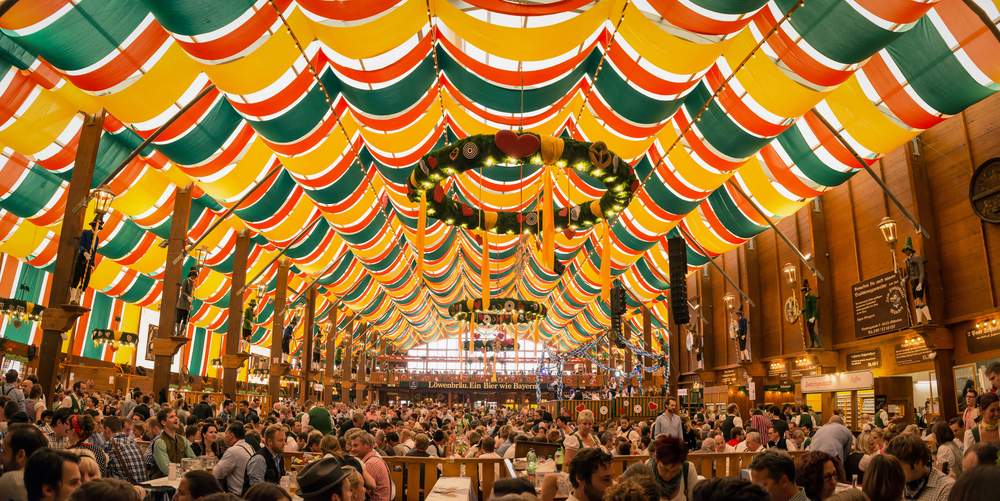
Yes, it’s touristy. Yes, it’s crowded. Yes, you should still go. The world’s largest beer festival earned its reputation for good reason.
When: 16-18 days ending the first Sunday of October (starts mid-to-late September despite the name)
Where: Munich, Bavaria, Germany
Six million people descend on Munich’s Theresienwiese grounds. Massive beer tents, each run by different Munich breweries, create temporary villages. Traditional Bavarian bands play. Dirndls and lederhosen aren’t just for locals anymore. One-liter steins of beer fuel the festivities. The atmosphere somehow maintains gemütlichkeit, that cozy, friendly vibe Germans do so well despite the massive crowds.
Each tent has its own personality. Some cater to older crowds and traditional music. Others pack in young people and occasionally play American pop covers. Securing a table requires strategy, arrive early or reserve ahead. Once you’re in, you’re in for hours of singing, swaying, and drinking beer that actually tastes good.
Outside the tents, carnival rides, food stalls, and general chaos fill the grounds. The whole city shifts into Oktoberfest mode. Even locals who skip the main event enjoy the seasonal beers and festive atmosphere that takes over Munich.
Why go: It’s a masterclass in organized celebration. Germans know how to throw a party that’s simultaneously massive and functional. The beer’s legitimately great. Oktoberfest brew follows strict rules. The food (pretzels, roasted chicken, pork knuckles) soaks up alcohol efficiently. And the communal tables force interaction with strangers from everywhere.
Beyond the main event, Munich itself shines in autumn. The English Garden offers recovery space. Day trips to Bavarian castles work perfectly. The city blends traditional and modern in ways that feel genuine rather than performed.
Budget tip: Munich’s expensive normally and Oktoberfest makes it worse. Accommodation gets ridiculous so book months ahead or camp outside the city. Better yet, find Couchsurfing hosts willing to brave the chaos with you. A liter of beer costs around €13-15 in the tents. Food adds up fast. Going with a group helps split tent reservations and makes the experience more fun. Arrive at tent openings (usually 9am on weekends) to grab unreserved seats.
The Real Reason to Plan Around Festivals
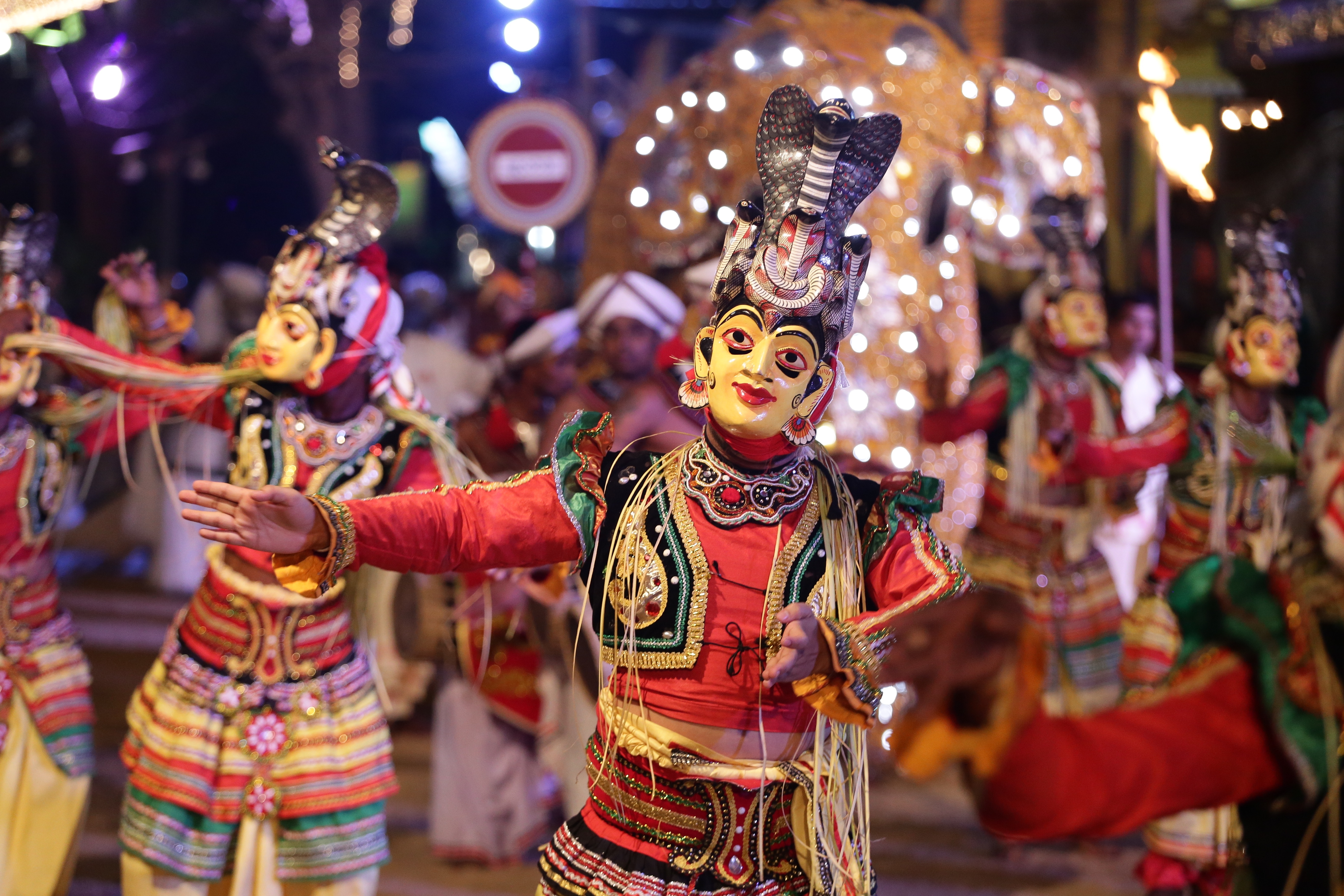
Festivals crack cities open in ways normal days don’t. Locals let their guard down. Streets that usually empty at 10pm stay alive until dawn. The version of a place you see during its biggest celebration isn’t the everyday version, it’s heightened, amplified, more itself somehow.
Timing trips around festivals requires flexibility. You’re committing to crowds, higher prices, and less control over your schedule. Your carefully planned itinerary might get derailed by spontaneous street parties. Accommodation gets harder to find.
But that’s exactly the point. Festivals force you out of the typical tourist routine. You’re not just visiting, you’re participating in something the city organizes for itself, and you happen to be there. That shift changes everything.
The best festival experiences come from finding local connections. Couchsurfing hosts during festival periods offer insider knowledge like which blocos to hit, which tents open early, and when to avoid the worst crowds. They know the shortcuts, the local spots, the rhythm of how their city celebrates.
So pick a festival. Build your trip around it. Send those Couchsurfing requests early, mention specifically that you’re coming for the festival and want the local experience. Pack clothes you can ruin. Bring an open mind and realistic expectations about sleep schedules.
Then show up and let the chaos be exactly what your trip needed.
