Last updated: August 10, 2026
The five easiest countries for beginner backpackers are Thailand, Vietnam, Portugal, Mexico, and New Zealand. Thailand offers unmatched infrastructure and low costs. Vietnam delivers stunning landscapes at rock-bottom prices. Portugal provides European culture without European prices. Mexico combines proximity to North America with rich cultural diversity. New Zealand guarantees safety and English-speaking ease in breathtaking scenery.
So you’re ready to take your first backpacking trip? Amazing. Are you a little terrified? Don’t worry, that’s completely normal.
Picking where to start matters. These five countries make backpacking feel manageable. They have good infrastructure, established traveler trails, English is widely spoken, and have enough other backpackers around that you won’t feel totally lost. They’re popular for good reasons.
| Country | Daily Budget (USD) | English Proficiency | Transportation Ease | Best Time to Visit |
|---|---|---|---|---|
| Thailand | $25–40 | High in tourist areas | Excellent (buses, trains, flights) | Nov–Feb (cool season) |
| Vietnam | $20–35 | Moderate in cities | Good (sleeper buses, trains, flights) | Mar–May or Sep–Nov |
| Portugal | $35–50 | High | Excellent (trains, buses, metro) | Mar–May or Sep–Oct |
| Mexico | $30–50 | Moderate in tourist areas | Good (buses, colectivos, flights) | Nov–Apr (dry season) |
| New Zealand | $50–70 | Native English | Excellent (buses, rentals, hitchhiking) | Dec–Feb (summer) |
Thailand
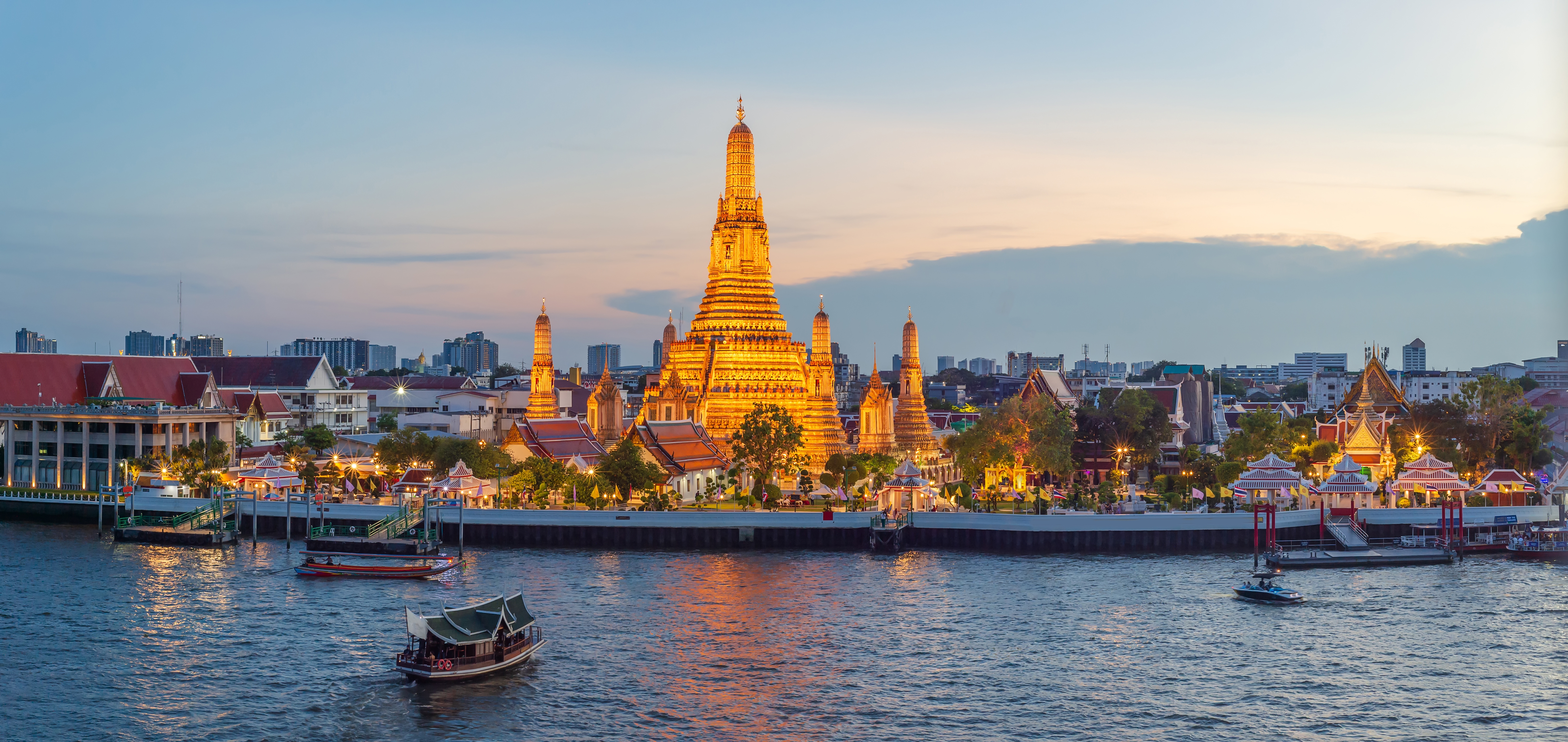
Thailand is ideal for beginner backpackers because of its established infrastructure, low daily costs, and high English proficiency in tourist areas.
Thailand basically invented the backpacker trail. Decades of travelers have smoothed out the rough edges. The infrastructure exists specifically to help you move around cheaply and easily.
Bangkok’s Khao San Road serves as backpacker central: hostels everywhere, travel agencies on every corner, and enough other confused travelers that you’ll make friends immediately. Khao San not your vibe? Bangkok is huge and has many beautiful neighborhoods if you’re looking for a more authentic feeling.
From there, islands in the south, mountains in the north, and cities in between all connect via cheap buses, trains, and flights.
The food costs are low and tastes incredible. Street pad thai for $2. Fresh fruit shakes for $1. Even restaurants targeting tourists stay cheap by Western standards. You can eat well on $10 a day without trying too hard.
Thai people’s patience with confused foreigners borders on supernatural. They’ve seen it all before and genuinely seem to enjoy helping. English proficiency varies but those working in the tourism industry speak more than enough English to get you through. Thai is a tonal language and difficult to master but there is nothing Thai people love more than helping you through some key phrases.
Safety rarely becomes an issue. Petty theft happens in tourist areas, but violent crime stays low. Solo female travelers consistently rate Thailand as comfortable. The biggest danger involves renting motorbikes without proper experience.
Quick Facts: Thailand
Language: Thai
Currency: Thai Baht (THB)
Visa: Most US/EU citizens get 60 days visa-free on arrival (updated from 30 days in 2024)
Recommended minimum trip: 2–3 weeks
Budget breakdown: Figure $25–40 per day total. Hostels run $5–15. Food costs $5–10. Transportation depends on distance but stays reasonable. Activities like island hopping, temple visits, and night markets won’t break you.
Couchsurfing scene: Strong in cities, especially Bangkok and Chiang Mai. Couchsurfing Members range from locals eager to share their culture to expats who remember being new travelers. Staying with a Host means more than free accommodation: you get insider knowledge about hidden cafés, the best viewpoints, and spots that don’t show up in any guidebook. Beach areas have fewer Hosts but more hostel community vibes.
What to know: April’s scorching hot. Rainy season (May–October) brings afternoon downpours but also fewer crowds and better prices. Island parties can be fun but also full of drunk idiots so pick your scene. Respect temple dress codes and monarchy rules seriously.
Portugal
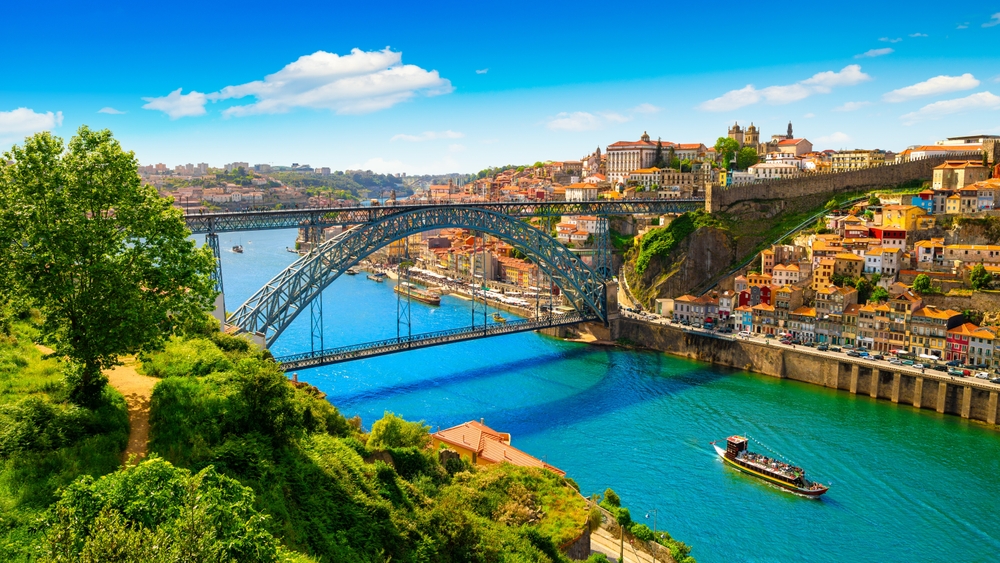
Portugal is ideal for beginner backpackers because it offers European infrastructure and culture at budget-friendly prices with high English proficiency.
Lisbon and Porto anchor the travel scene. Both cities are easily walkable, look gorgeous, and pulse with energy. Yellow trams climb Lisbon’s hills. Porto’s riverfront glows at sunset. The beaches stretch along the southern Algarve coast. Smaller towns like Sintra and Évora make perfect day trips.
Public transportation actually works. Trains connect major cities reliably. Buses fill in the gaps. Everything runs regularly and costs little. Lisbon’s metro makes sense. Porto’s fits in your pocket.
Portuguese people speak English well, especially younger generations and anyone in tourism. Even when language barriers appear, people help rather than getting frustrated.
Safety rates highly. Portugal ranks among Europe’s safest countries. Solo travelers, female travelers, LGBTQ+ travelers all report feeling comfortable. Petty theft exists in tourist areas (Lisbon’s trams are pickpocket heaven) but violent crime stays rare.
Public transportation actually works. Trains connect major cities reliably. Buses fill in the gaps. Everything runs regularly and costs little. Lisbon’s metro makes sense. Porto’s fits in your pocket.
Portuguese people speak English well, especially younger generations and anyone in tourism. Even when language barriers appear, people help rather than getting frustrated.
Safety rates highly. Portugal ranks as one of Europe’s safest countries. Solo travelers, female travelers, LGBTQ+ travelers all report feeling comfortable. Petty theft exists in tourist areas (Lisbon’s trams are pickpocket heaven) but violent crime stays rare.
Quick Facts: Portugal
Language: Portuguese
Currency: Euro (EUR)
Visa: US citizens can stay 90 days within any 180-day period (Schengen rules). Recommended minimum trip: 10–14 days
Budget breakdown: $35-50 daily works. Hostel beds run $15-25. Food varies: €10 can get you a solid restaurant meal, but grocery stores keep costs lower. Museums and attractions charge admission but nothing outrageous.
Couchsurfing scene: Excellent in major cities. Portuguese hosts often treat guests like visiting family members. Expect home-cooked meals and genuine cultural exchange. The References system helps you find trusted Hosts, and leaving a thoughtful Reference after your stay strengthens the community for future Travelers. Beach towns in summer have a decent number of active hosts too.
What to know: Summer (July-August) brings crowds and heat to southern beaches. Spring and fall offer better weather for city exploration. Learn a few Portuguese phrases. They will appreciate the effort even though they’ll respond in English. The food deserves more attention than it gets, pastéis de nata alone justify the trip.
Vietnam
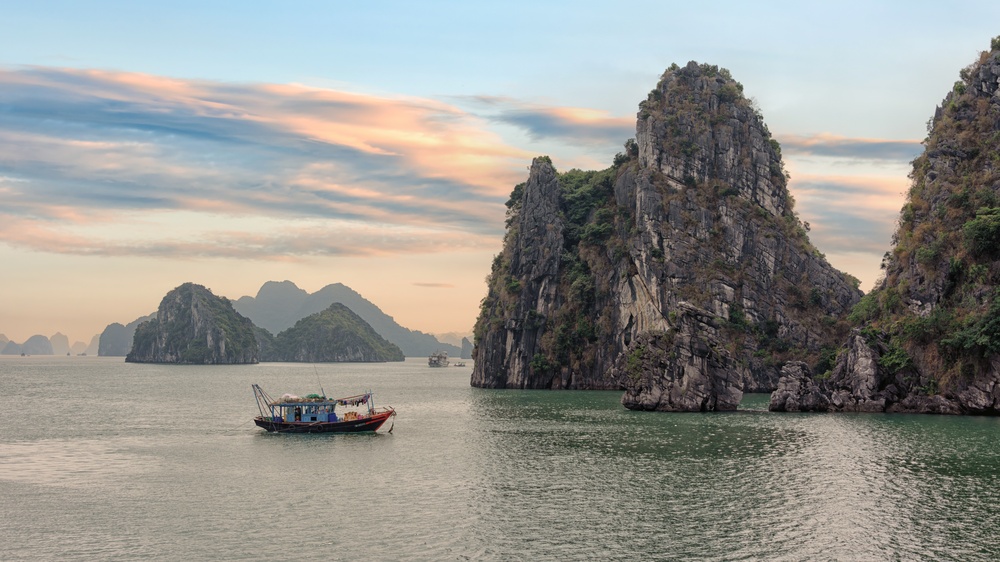
Vietnam is ideal for beginner backpackers because it delivers stunning landscapes and incredible food at rock-bottom prices.
The backpacker trail runs predictably: Start in Hanoi, cruise Ha Long bay, head south through Hoi An and Da Nang, end in Ho Chi Minh City. Or reverse it. Either way, the infrastructure exists to move you smoothly. Sleeper buses and trains connect major stops. Domestic flights cost surprisingly little.
Food obsessives thrive here. Pho for breakfast. Banh mi for lunch. Street food everywhere in between. Each region has specialties worth eating daily.
English levels vary more than Thailand. Tourism industry workers and younger Vietnamese often speak decent English. Outside tourist areas, communication gets creative, think lots of pointing and Google Translate. But Vietnamese people’s helpfulness compensates for language gaps.
Safety feels solid for travelers. Violent crime against tourists stays rare. Scams exist (taxi meters that run fast, tourist-price menus) mostly the usual stuff. Common sense handles most of it. Solo female travelers generally feel comfortable with normal precautions.
The culture rewards curiosity. Locals enjoy sharing their perspectives on history, development, food, everything. Coffee shop culture encourages long conversations. The Communist past and capitalist present create interesting contradictions worth exploring.
Quick Facts: Vietnam
Language: Vietnamese
Currency: Vietnamese Dong (VND)
Visa: US/EU citizens get 45 days visa-free; e-visa available for up to 90 days
Recommended minimum trip: 2–3 weeks
Budget breakdown: $20-35 daily covers you well. Hostels cost $5-12. You can get by on $10 per day for food. Attractions and activities stay cheap. Museum admission rarely exceeds $5. Even Ha Long Bay cruises, the biggest tourist expense, offer budget options.
Couchsurfing scene: Growing steadily, especially in major cities. Hosts skew younger and often want language exchange along with cultural sharing. Rural areas have limited options, but cities work well.
What to know: North and south have different climates so check weather for your timing. Traffic in cities is genuinely insane; cross streets slowly and confidently. The war legacy appears everywhere so approach with respect and open mind. Border crossings with Cambodia and Laos make multi-country trips easy.
New Zealand
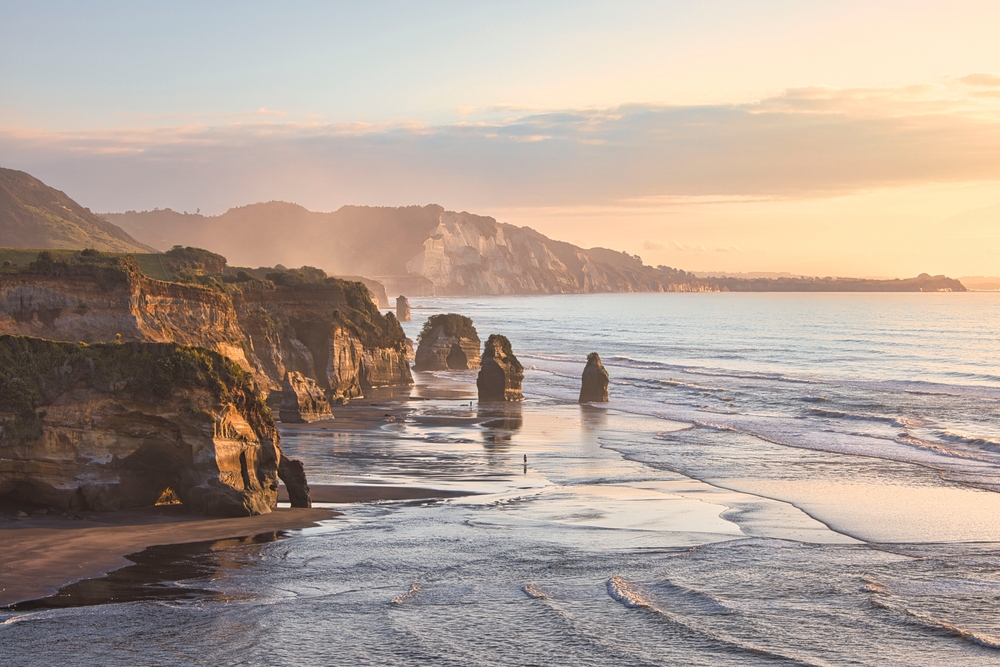
New Zealand is ideal for beginner backpackers because it’s English-speaking, exceptionally safe, and designed specifically for independent travelers.
The country isn’t particularly large, but landscape diversity packs an incredible range into small distances. Mountains, beaches, glaciers, rainforests, geothermal areas, wine regions, all accessible and often free or cheap to explore.
Infrastructure caters specifically to backpackers. Hostels everywhere, often with organized activities. Campgrounds blanket the country. The bus networks (InterCity, Naked Bus) connect everything. Hitchhiking remains common and relatively safe. Rental cars and camper vans create ultimate flexibility.
Solo travelers of all types feel comfortable. Kiwis are genuinely friendly and helpful. The culture values outdoor adventure and environmental consciousness. There’s a community feel even for travelers, everyone’s hiking the same trails, camping the same spots, sharing tips.
Safety ranks exceptionally high. New Zealand consistently tops global safety indexes. Solo travelers of all types feel comfortable. The biggest dangers involve underestimating weather conditions on hikes or driving unfamiliar mountain roads.
Quick Facts: New Zealand
Language: English, Māori
Currency: New Zealand Dollar (NZD)
Visa: Most visitors are not visa-free — a NZeTA (New Zealand Electronic Travel Authority) is required before travel. US citizens: up to 90 days. UK/British citizens: up to 6 months.
Recommended minimum trip: 3–4 weeks
Budget breakdown: Here’s the catch: New Zealand isn’t cheap. Figure $50-70 daily minimum. Hostels run $20-40. Food costs add up fast, though cooking yourself helps. Activities like bungee jumping, skydiving, and glacier hikes cost real money. Transportation eats budget, especially if renting vehicles.
Couchsurfing scene: Active in cities and larger towns. Kiwi hosts often love outdoor activities and take surfers on adventures. Rural areas have fewer options, but that’s where camping shines anyway.
What to know: Seasons reverse from the Northern Hemisphere so December-February is summer. The country splits into North Island (more geothermal and Maori culture) and South Island (more dramatic mountains and glaciers). Both deserve time. Sandflies on South Island are vicious so bring bug spray. The environmental consciousness is real, respect Leave No Trace principles.
Mexico
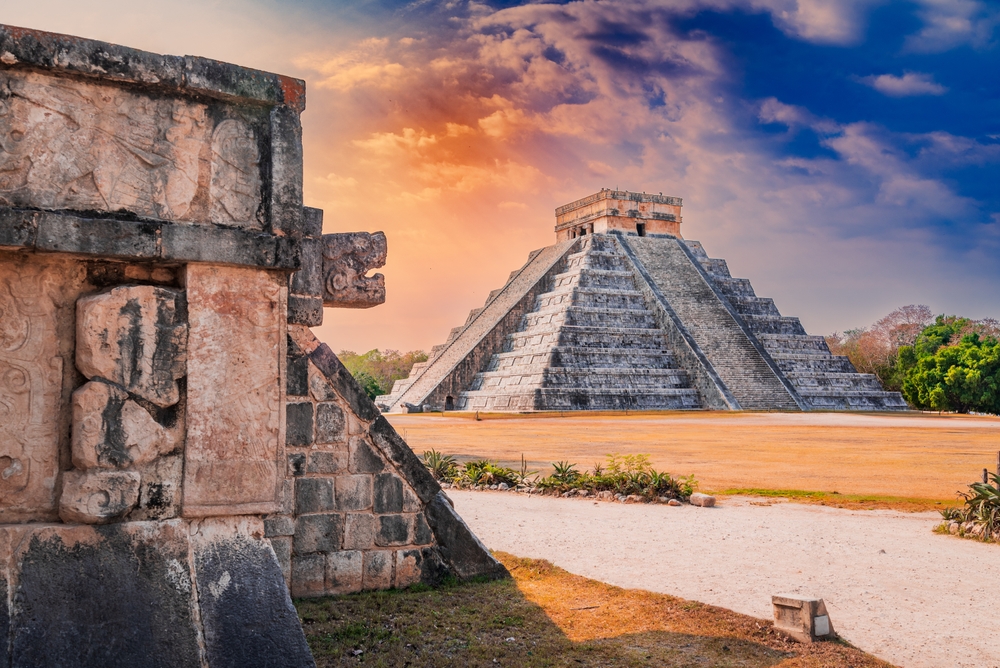
Mexico is ideal for beginner backpackers because it’s close to North America, affordable, culturally rich, and wildly diverse.
The backpacker trail isn’t as defined as Southeast Asia’s, which means more freedom and discovery. Oaxaca draws culture seekers. Tulum attracts beach people. Mexico City reveals the real modern Mexico. Guadalajara, San Cristóbal de las Casas, Guanajuato, each offers different flavors.
Transportation works well. First-class buses between cities are comfortable and cheap. Colectivos (shared vans) handle shorter distances. Domestic flights fill in for long hauls at reasonable prices. Within cities, rideshare apps exist everywhere and stay affordable.
Spanish helps tremendously but isn’t mandatory. Tourism areas have enough English speakers to manage. Translation apps bridge most gaps. Many travelers use Mexico to learn Spanish, classes are cheap and homestays with language schools abound.
Safety requires more awareness than other countries listed. Some areas have legitimate dangers: cartel violence affects specific regions. But most backpacker destinations stay safe with normal precautions. Research current conditions. Don’t flash wealth. Trust local advice about where to go and avoid.
The food alone justifies visiting. Tacos, mole, tlayudas, pozole, tamales, every region has specialties. Street food costs $1-2 per meal and tastes incredible. Markets overflow with fresh produce. Mezcal and tequila education happens naturally.
Quick Facts: Mexico
Language: Spanish
Currency: Mexican Peso (MXN)
Visa: US/EU citizens get 180 days visa-free on arrival
Recommended minimum trip: 2–4 weeks
Budget breakdown: $30-50 daily works comfortably. Hostels run $10-20. Food costs $5-10 if eating street food and markets. Museums often charge admission but rarely more than $5-10. Beach activities and ruins add up, but free beaches and historical centers exist everywhere.
Couchsurfing scene: One of the strongest Communities out there. Most cities have a decent number of Hosts and Events. There’s an annual National Meeting that rotates from city to city and any given month there is bound to be a Couch Crash in another city. Check the Couch Crash calendar before going, there are often Crashes, Invasions or the National Meetings going on with a ton of friendly locals looking to share their culture with you.
What to know: The country’s massive so don’t try to see everything in one trip. Learn basic Spanish phrases; effort gets appreciated. Water safety matters; stick to bottled or purified water. Altitude affects some cities like Mexico City and Oaxaca, take it easy your first days. Day of the Dead (November 1-2) offers incredible cultural experiences if you’re there then.
Why These Work for Beginners
Notice the pattern? Infrastructure, safety, English availability, established trails, affordable costs. These factors let you focus on the actual experience rather than constant problem-solving.
Starting in one of these countries builds confidence. You learn how hostels work, how to navigate new places, how to meet other travelers, how to handle being uncomfortable sometimes. Those skills transfer everywhere else you’ll go.
The other benefit: established communities of travelers. You’re never truly alone in these destinations. Someone at your hostel just did the bus route you’re planning. Another traveler has restaurant recommendations. You’ll meet people, maybe travel together for a bit, learn from each other’s mistakes.
None of these countries will ruin you with difficulty, but they also won’t bore you. They each offer genuine culture, beautiful places, and enough adventure to feel like real travel rather than an extended vacation.
So pick one based on what draws you: beaches, mountains, food, culture, whatever. Book a flight. Find a hostel or Couchsurfing Host for your first few nights. The rest figures itself out along the way.
That’s how this works. Choose wisely for your first one, and you’ll want to keep going.
Frequently Asked Questions
What if I want to visit a beach or rural area and there are few Couchsurfing Hosts?
Couchsurfing tends to have more Hosts and Events in cities, so if your beach or rural destination shows few Hosts, plan for backups by searching nearby towns, booking a hostel or campsite, and checking local Couchsurfing Communities or Events to meet people when you arrive. The article notes that beach and rural areas often have fewer Hosts, so treating nearby hubs as bases usually works well.
Can I use Couchsurfing just to meet people if I don’t want to stay with a Host?
Yes — Couchsurfing is built for meeting locals as well as offering stays; your membership gives access to Events, Communities, and Hangouts where you can join meetups, activities, or casual hangouts without arranging a stay. This is a great way to learn local tips, practice language, and make friends while keeping other accommodation plans.
What etiquette should I follow when staying with a Couchsurfing Host?
Treat your Couchsurfing Host’s home like a guest: be punctual, clear in your communication, tidy, and respectful of house rules, and consider bringing a small gift or offering to help with a meal to show appreciation. Good pre-stay communication and leaving an honest Reference afterward help the whole community.
Will staying with a Couchsurfing Host actually save me money compared to hostels?
Couchsurfing can reduce accommodation costs because Hosts offer stays based on hospitality and cultural exchange rather than payment, but the main benefit is local insight and connections rather than pure savings. Always keep a backup plan and budget for nights when Hosts aren’t available or when you want other comforts.
Is Couchsurfing a good option for a first-time solo backpacker?
Yes — Couchsurfing can be especially helpful for first-time solo backpackers because Hosts, Events, and Communities make cities easier to navigate, offer insider advice, and help you meet fellow Travelers so you won’t feel isolated. Follow community safety advice: read References, keep communication on the platform, and share your plans with someone you trust.
