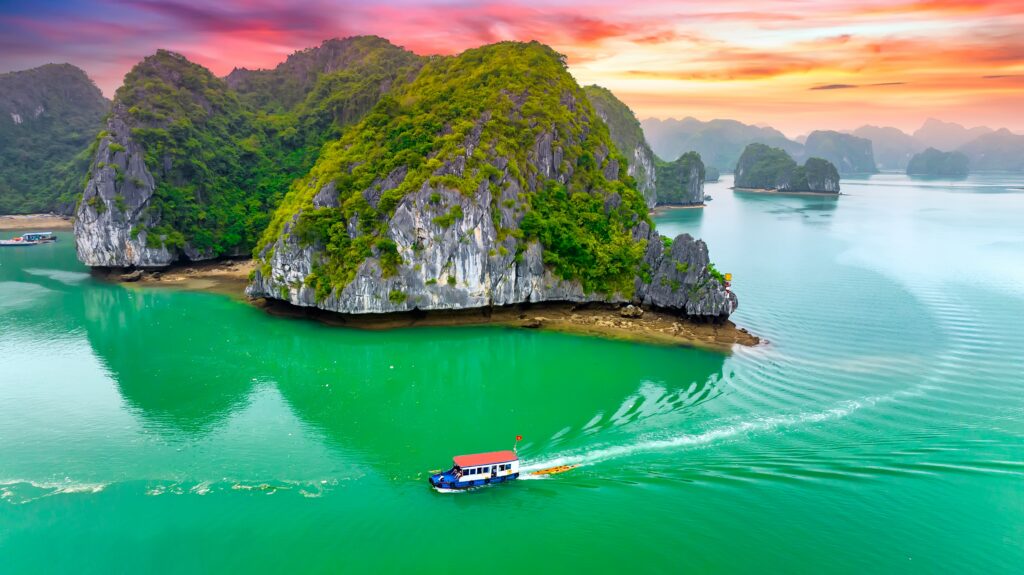
Budget travel means exploring destinations where daily costs for accommodation, food, transportation, and activities total $30-40 or less while maintaining comfort and quality experiences. It doesn’t mean suffering through terrible food and sketchy accommodation. It means finding places where your money stretches impossibly far while still delivering incredible experiences.
These five countries let you travel comfortably, eat well, stay in decent places, and do actual activities without watching every dollar evaporate.
| Country | Daily Budget | Best For |
|---|---|---|
| Vietnam | $20-35 | Food lovers and first-time budget travelers |
| Indonesia | $25-40 | Island hopping and beach culture |
| India | $20-35 | Cultural immersion and food exploration |
| Bolivia | $20-30 | Adventure travel and dramatic landscapes |
| Nepal | $20-30 | Trekking and mountain adventures |
Vietnam: Best for Food Lovers and First-Time Budget Travelers
Vietnam wins the budget travel championship consistently. You can live like royalty on what you’d spend on lunch back home.
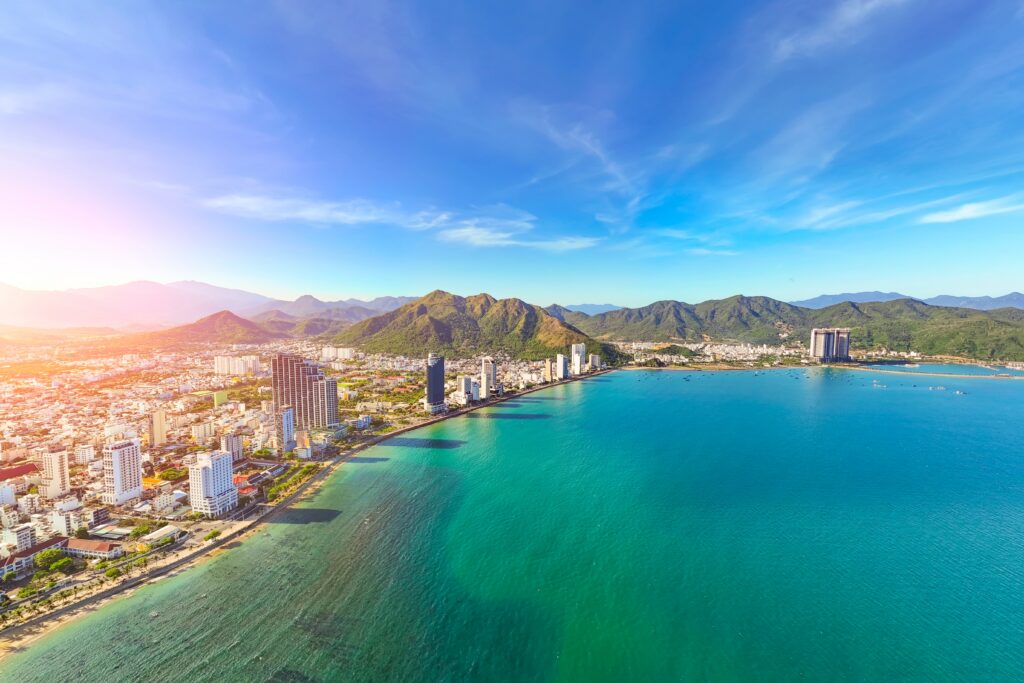
Food: Street food costs $1-2 per meal. A massive bowl of pho for breakfast runs about $1.50. Banh mi sandwiches cost under a dollar. Restaurant meals in local spots rarely exceed $3-5. Even tourist-area restaurants stay cheap: $8 gets you a feast. Coffee culture thrives here, and a strong Vietnamese coffee costs $1. Beer costs less than water sometimes, around $0.30 for a local beer.
Accommodation: Hostels run $4-10 for dorm beds. Private hostel rooms cost $12-20. Budget hotels start around $15-25 for decent quality. Homestays in rural areas often include meals and cost even less. Find Hosts in Hanoi, Ho Chi Minh City and Hoi An.
Transportation: Buses between cities cost $5-15 depending on distance. Sleeper buses for overnight trips run $15-25. Trains cost slightly more but offer better comfort. Grab (like Uber) operates cheaply in cities; cross-town rides rarely exceed $3-4. Motorbike rentals cost $5-7 daily if you’re comfortable riding. Bicycles rent for $1-2 per day.
Activities: Most temple and pagoda visits are free or cost minimal donations. Museums charge $1-3 admission. Ha Long Bay cruises range from $30 budget options to $100+ luxury, but even mid-range boats stay affordable. Cooking classes run $15-25.
Daily budget: $20-35 (comfortable) | $50+ (upgraded experience)
Why budget travelers should visit Vietnam: The combination of world-class street food, diverse landscapes from beaches to mountains, and consistently low prices across all categories makes Vietnam the ideal destination for travelers who want maximum experience with minimum spending.
Indonesia: Best for Island Hopping and Beach Culture
Indonesia sprawls across thousands of islands, and costs vary by location. But even tourist-heavy Bali stays surprisingly affordable if you avoid resort areas.
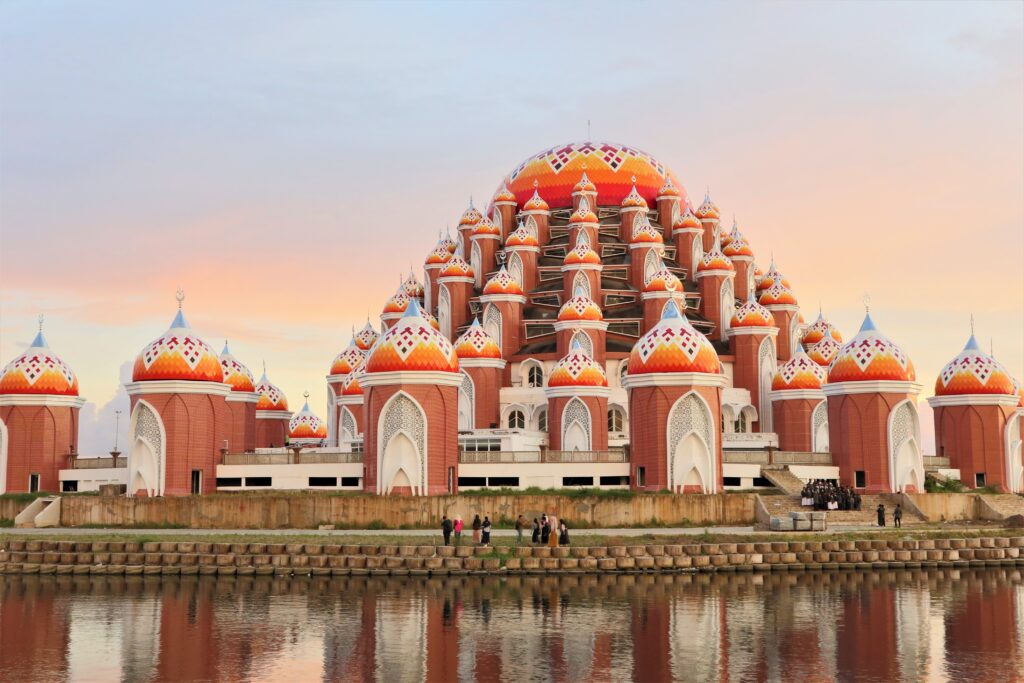
Food: Warungs (local eateries) serve full meals for $1.50-3. Nasi goreng, mie goreng, and gado-gado all cost $1-2. Street food vendors sell snacks and small plates for $0.50-1. Tourist restaurant meals run $4-8. Fresh fruit costs $0.50-1 at markets. Fresh coconuts cost $0.50. Smoothies and juices run $1-2.
Accommodation: Hostels cost $5-12 for dorms. Basic guesthouses in local areas run $8-15 for private rooms. Mid-range hotels cost $20-35. Even in Bali’s tourist areas, budget options exist if you look beyond the beach clubs. The Couchsurfing Indonesia community is active, and staying with local Hosts lets you experience authentic culture while eliminating accommodation costs entirely. Reading References from previous Travelers helps you find welcoming Hosts. Find Hosts in Ubud and Yogyakarta.
Transportation: Buses between cities cost $5-15. Ferries between islands range from $5-25 depending on distance and comfort level. Scooter rentals cost $4-7 daily. Grab and Gojek operate in cities with cheap rates. Flights between major islands on budget airlines like AirAsia and Lion Air often cost $30-60, sometimes cheaper than long bus journeys.
Activities: Beach access is free. Temple entrance fees run $1-5. Volcano sunrise treks cost $20-40 with guide. Snorkeling day trips range from $15-30. Surf lessons cost $20-30, with board rentals at $5-8 daily.
Daily budget: $25-40 (comfortable) | $50+ (upgraded experience)
Why budget travelers should visit Indonesia: Thousands of islands offer endless variety from jungle temples to pristine beaches, all accessible on a tight budget with excellent local transportation networks.
India: Best for Cultural Immersion and Food Exploration
India delivers the most bang for your buck anywhere. Costs seem unbelievable until you’re there experiencing them.
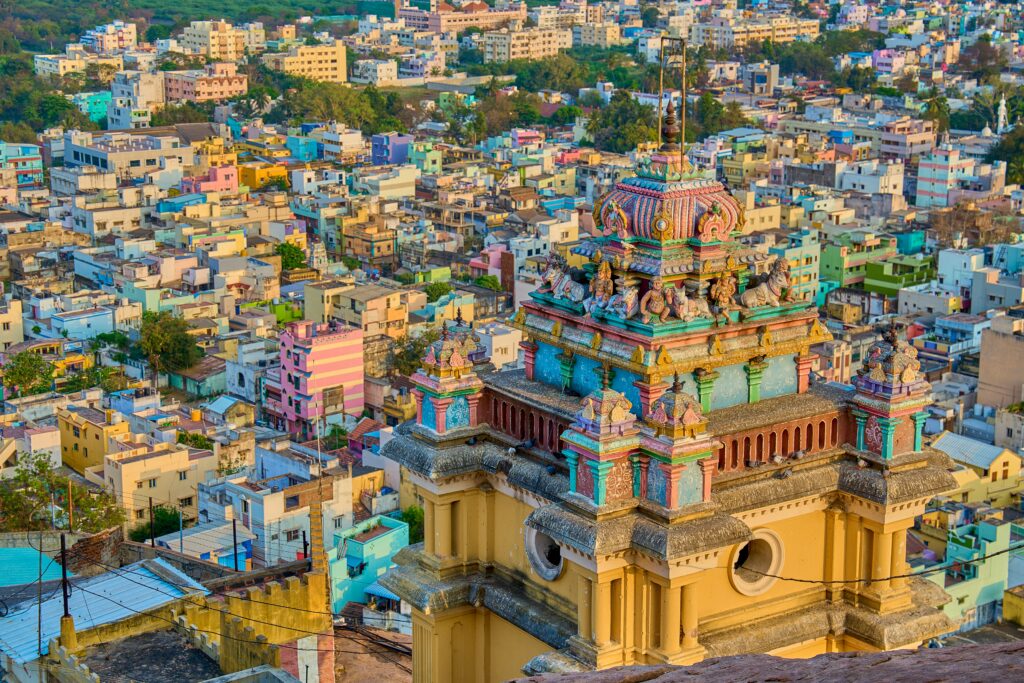
Food: Street food costs $0.50-1.50 per meal. Thalis (traditional combination plates) in local restaurants run $2-3 and fill you completely. Chai tea costs $0.10-0.30. Even decent sit-down restaurant meals rarely exceed $5. Regional cuisines vary wildly, which means constant food exploration without budget impact.
Accommodation: Hostels cost $3-8 for dorms. Budget guesthouses run $5-12 for private rooms. Mid-range hotels with AC and hot water cost $15-25. Even major cities offer these prices if you avoid tourist areas. Couchsurfing is also strong here, and the References system helps you connect with trusted Hosts in most major cities. Find Hosts in Mumbai and Rishikesh.
Transportation: Trains are ridiculously cheap. Cross-country journeys cost $5-15 in sleeper class, $20-40 for AC classes. Buses cost even less but comfort suffers. Auto-rickshaws charge $1-3 for city trips. Metro systems in major cities cost $0.15-0.50 per ride.
Activities: Most temples are free. Museums charge $1-3, often less for Indian rates. Famous monuments and national parks cost more ($20-50) but represent special experiences. Yoga classes and meditation courses run incredibly cheap, especially in places like Rishikesh.
Daily budget: $20-35 (comfortable) | $45+ (upgraded experience)
Why budget travelers should visit India: Nowhere else offers such dramatic cultural diversity, spiritual depth, and culinary variety at prices this low, making extended travel genuinely accessible.
Bolivia: Best for Adventure Travel and Dramatic Landscapes
South America’s budget champion. While neighboring countries see prices climbing, Bolivia maintains absurdly low costs.
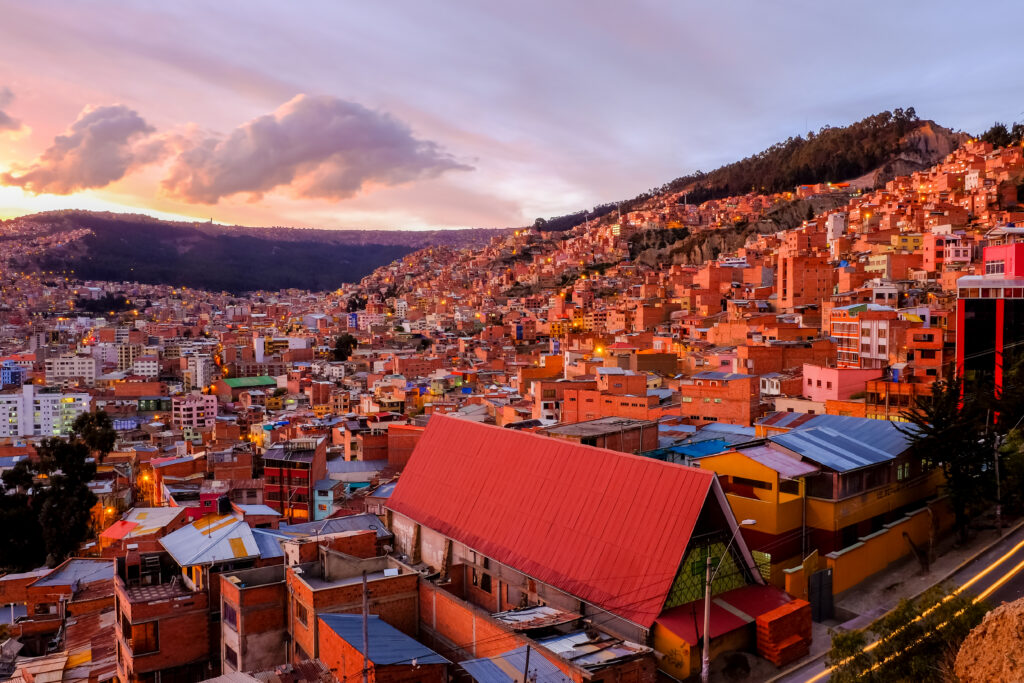
Food: Local market meals cost $1.50-2.50. Street food vendors sell salteñas (meat pies) for $0.50 each. Set lunch menus at local restaurants run $2-3 including soup, main, and drink. Even tourist-oriented restaurants stay cheap at $5-8 for solid meals.
Accommodation: Hostels cost $5-10 for dorms. Private hostel rooms run $12-18. Budget hotels cost $15-25. In smaller towns, guesthouses charge even less. Find Hosts in La Paz, Sucre and Uyuni.
Transportation: Buses between cities cost $5-15 for most journeys. The famous Death Road bike tour costs $40-60 including transport and guide. City buses cost $0.15-0.30. Taxis charge $1-3 for city trips.
Activities: Salar de Uyuni tours (the salt flats) cost $170-250 for 3-day trips departing from Uyuni town, including transport, basic lodging, and meals (tours arranged from La Paz run higher, $300+, once added transport is included). Amazon jungle tours from Rurrenabaque run $200-300 for 4-5 days with everything included. La Paz‘s urban cable car system costs $0.50 per ride with incredible views.
Daily budget: $20-30 (comfortable) | $40-50 (upgraded experience)
Why budget travelers should visit Bolivia: Otherworldly landscapes like the salt flats and Amazon basin come with South America’s lowest prices, delivering bucket-list experiences without the typical continent price tag.
Nepal: Best for Trekking and Mountain Adventures
Himalayan trekking on a shoestring budget. Nepal offers mountain adventures for what you’d spend on a weekend at home.
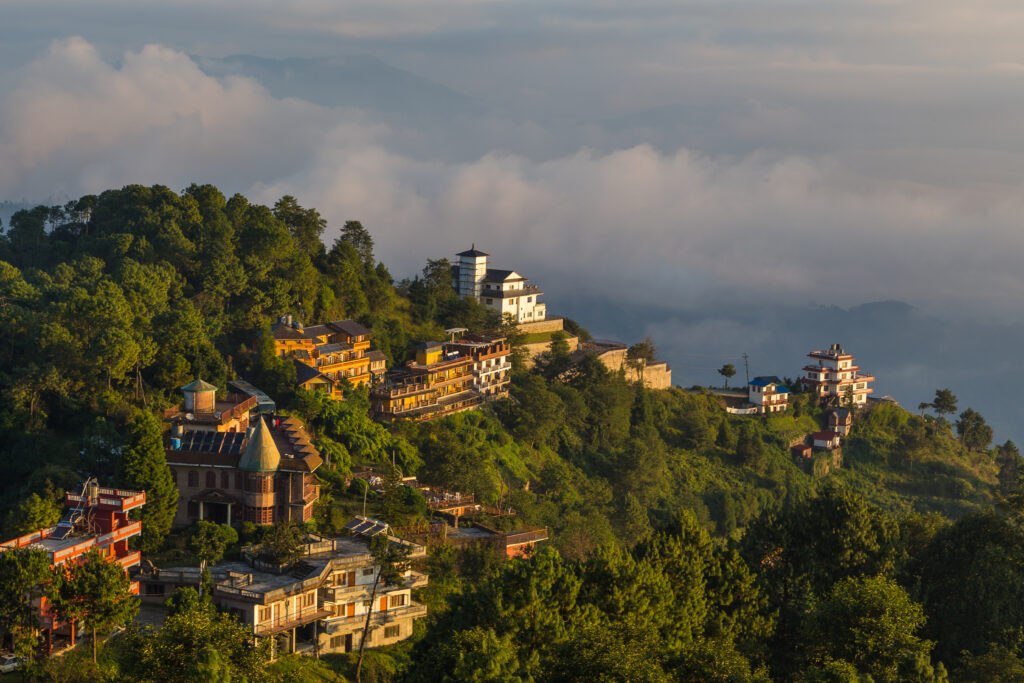
Food: Dal bhat (rice, lentils, curry, vegetables) costs $2-4 and comes with free refills. Street momos (dumplings) run $1-2 for a full plate. Tibetan and Nepali dishes cost $2-4. Tourist restaurant meals stay under $5-7. Tea house lodges along trekking routes provide meals for $3-5 per meal, though prices rise with altitude.
Accommodation: Kathmandu hostels cost $4-8 for dorms. Budget guesthouses run $8-15 for private rooms. Trekking lodges along popular routes like Annapurna and Everest Base Camp cost $2-5 per night (they make money on food). Find Hosts in Kathmandu and Pokhara.
Transportation: Buses between cities cost $3-10. Tourist buses cost slightly more but offer more comfort. Local buses cost $0.50-2 but pack in tightly. Domestic flights to trek starting points cost $100-150 but save days of bus travel.
Activities: Temple entry in Kathmandu valley costs a few dollars combined. The Annapurna Circuit costs about $30 in permits (the ACAP fee; TIMS is often not enforced) plus daily food and accommodation, with total trek costs running $400-600 for 2-3 weeks. Everest Base Camp requires closer to $50 in permits (Sagarmatha National Park and Khumbu Rural Municipality fees) plus a $350-400 round-trip flight to Lukla, pushing total costs to $700-1,000+ for 2-3 weeks. Rafting trips cost $30-60. Paragliding in Pokhara runs $70-100.
Daily budget: $20-30 (comfortable in cities) | $25-35 (on trail including food, accommodation, and permits)
Why budget travelers should visit Nepal: World-class Himalayan trekking costs a fraction of what similar mountain experiences cost elsewhere, with tea house infrastructure making multi-week adventures accessible to any fitness level.
Making Your Money Go Further Everywhere
Even in cheap countries, costs vary based on your approach.
Eat where locals eat. Tourist-area restaurants charge 2-3x what local spots do. Walk a few blocks away from main attractions and prices drop dramatically.
Use local transportation. Tourist buses and private transport cost multiples of public buses and trains. Yes, public options take longer and offer less comfort, but the savings add up fast.
Stay in neighborhoods, not tourist zones. Accommodation near famous sights charges premium rates. A 10-minute walk or short bus ride cuts costs in half while offering more authentic experiences.
Cook sometimes. Hostels with kitchens let you prepare some meals. Markets sell fresh produce cheaply. Even just making your own breakfast saves money over time.
Negotiate when appropriate. In many countries, prices aren’t fixed for accommodation, tours, and market goods. Polite negotiation is expected and can save 20-30%.
Travel slowly. Rushing between cities costs money in constant transportation. Staying longer in each place lets you find the cheap spots and avoid tourist-pricing mistakes.
Stay with Couchsurfing Hosts. Free accommodation in cheap countries means your already-low budget goes even further. Hosts show you the real local prices for everything, and the References system helps you find trustworthy connections. Couchsurfing membership includes access to Hosts in over 200,000 cities worldwide. Not sure how it works? Read what a Couchsurfing Membership pays for and how Couchsurfing compares to Airbnb.
Cheap Doesn’t Mean Low Quality
These countries offer incredible experiences despite low costs. You’re not suffering. You’re eating amazing food, staying in perfectly adequate accommodation, seeing stunning places, and meeting interesting people.
The equation changes when you stop comparing everything to home prices and start engaging with local economies. That $2 meal might seem impossibly cheap, but it reflects actual costs in those places. You’re not exploiting anyone. You’re participating in their economy at their prices.
Budget travel through cheap countries builds skills and confidence. You learn to find deals, negotiate respectfully, distinguish tourist traps from good values, and generally operate independently without money solving every problem. Traveling solo? See A Woman’s Guide to Couchsurfing, Which Travel App Matches Your Vibe? and How to Choose a Travel Community Platform in 2026.
Plus, traveling longer matters more than traveling luxuriously. Two months in Vietnam beats two weeks in Switzerland for life-changing experiences and memories. Cheap countries let you stay out longer, which is the whole point.
So pick one of these five based on what draws you: beaches, mountains, food, culture, whatever. Go there with an open mind and reasonable budget. Experience how far your money can stretch when you’re smart about spending it.
Your wallet will thank you. Your travel stories will multiply. And you’ll probably start planning the next cheap country before you’ve even left the current one.
Ready to go? Join Couchsurfing and find a Host before you land.
Frequently Asked Questions
What is the cheapest country for budget travel?
India, Bolivia, and Nepal are consistently the cheapest, with comfortable travel possible on roughly $20-30 per day including accommodation, food, transportation, and activities. India edges ahead on food and cultural variety for the price, while Bolivia and Nepal offer similarly low costs for adventure travel.
How much money do you need per day in Vietnam?
Vietnam costs $20-35 per day for comfortable budget travel, covering hostel accommodation, street food meals, local transportation, and basic activities. Spending $50 daily allows for nicer hotels and more activities.
Can you travel Southeast Asia on $30 a day?
Yes. Vietnam and Indonesia both allow comfortable travel on $25-40 daily, including decent accommodation, multiple meals, local transportation, and activities. Staying with Couchsurfing Hosts reduces costs further.
What is the cheapest country in South America for backpackers?
Bolivia offers South America’s lowest travel costs, with daily budgets of $20-30 covering accommodation, food, and transportation. Even major attractions like the Salar de Uyuni salt flats remain affordable.
How much does it cost to trek in Nepal?
Trekking in Nepal costs 25-35perdayontrail,includingteahouseaccommodation(2-5) and meals ($3-5 each). Permits run about $30 for the Annapurna Circuit’s ACAP fee, or roughly $50 for Everest Base Camp’s combined national park and rural municipality permits. A complete 2-3 week trek on the Annapurna Circuit runs $400-600 total; Everest Base Camp runs $700-1,000+ once the Lukla flight is included.
Will staying with Couchsurfing Hosts really eliminate accommodation costs in these countries?
Yes, staying with Couchsurfing Hosts can remove your accommodation expense entirely, letting you redirect what you’d spend on lodging to food, transport, or activities while traveling in these affordable countries. Read References to find welcoming Hosts and expect local tips or occasionally shared meals that further stretch your budget.
Are the daily budgets listed per person and what do they include?
Yes; the daily budget ranges in this article describe per-person costs for a single traveler and cover accommodation, food, local transportation, and basic activities, and Couchsurfing stays or Hosts can alter those totals by removing lodging costs or offering local meals. Use the article’s ranges as a comfortable baseline and plan extra for longer intercity travel, high-altitude fees, or tourist-area markups.
How can I use Couchsurfing to find cheap local meals and activities?
Use Couchsurfing Hosts and local Communities to find cheap meals and authentic activities, because Hosts often point you to warungs, markets, free public sights, or budget-friendly tours that won’t show up in tourist guides. Read References to see what past Travelers enjoyed, ask Hosts for market and transport tips, and join local meetups or events for low-cost cultural experiences.
Can Couchsurfing help me plan budget treks and adventure activities in places like Nepal or Bolivia?
Yes, Couchsurfing Hosts and local Members can be a great resource when planning budget treks and adventure activities, offering advice on low-cost tea house routes, affordable guides, and realistic expectations about permits and gear costs. Always double-check practical details before you go and have a backup plan for accommodation or transport in remote areas.
