So you’re doing this. You’ve watched the vlogs, talked to friends who’ve traveled, maybe stalked a few Instagram accounts. Now you’ve booked a flight, and the reality of actually going is setting in. First backpacking trip nerves are completely normal. Everyone who’s done this felt the same mix of excitement and terror. These ten tips come from people who’ve been there, made the mistakes, and lived to travel another day.
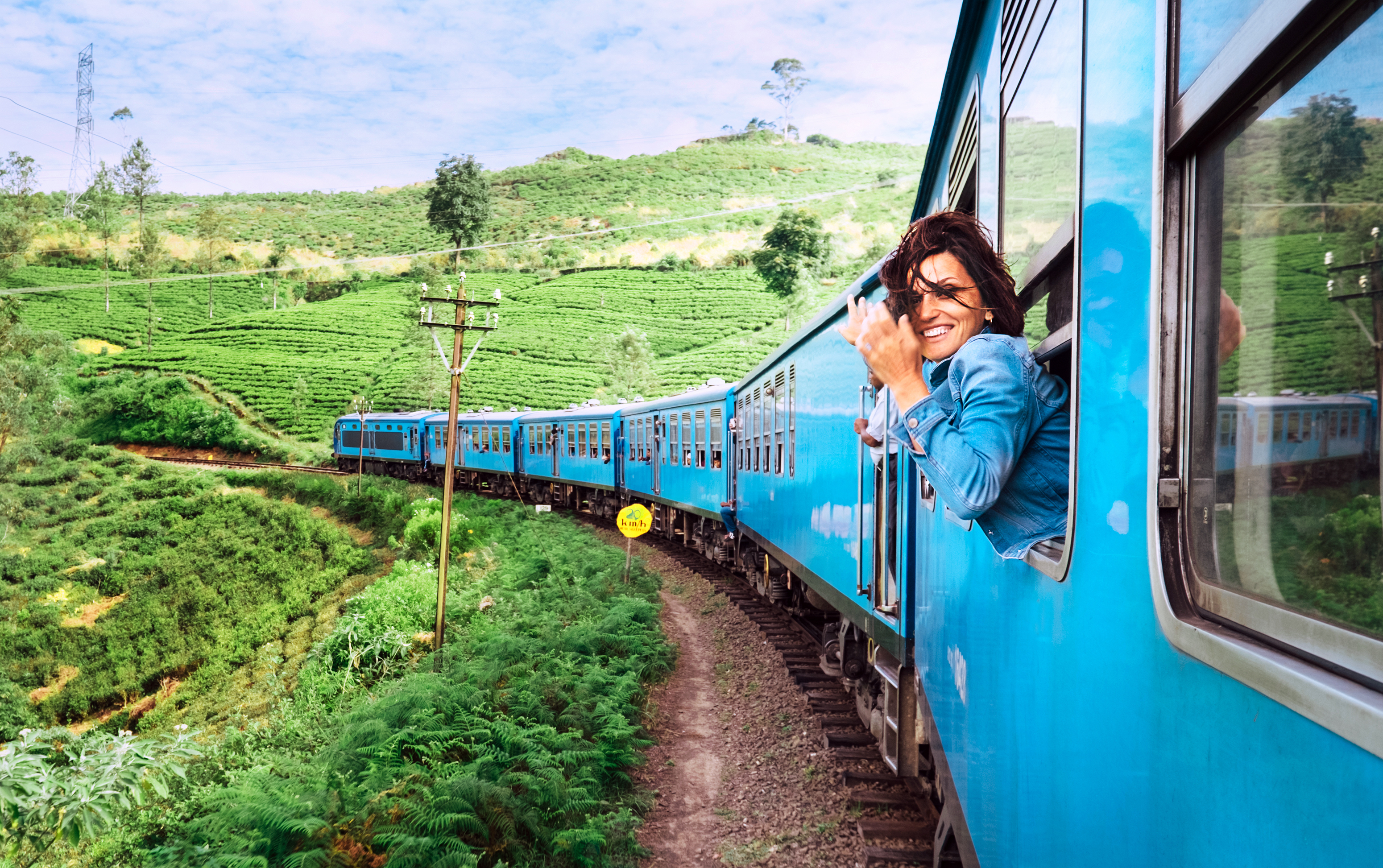
Note: Our #1 would obviously be ‘Use Couchsurfing!’ and you absolutely should… But we’re going to show restraint and give you 10 other tips to get you on the right track. But just know that it is taking everything in us to not start this list with: Couchsurf!
1. Pack Way Less Than You Think You Need
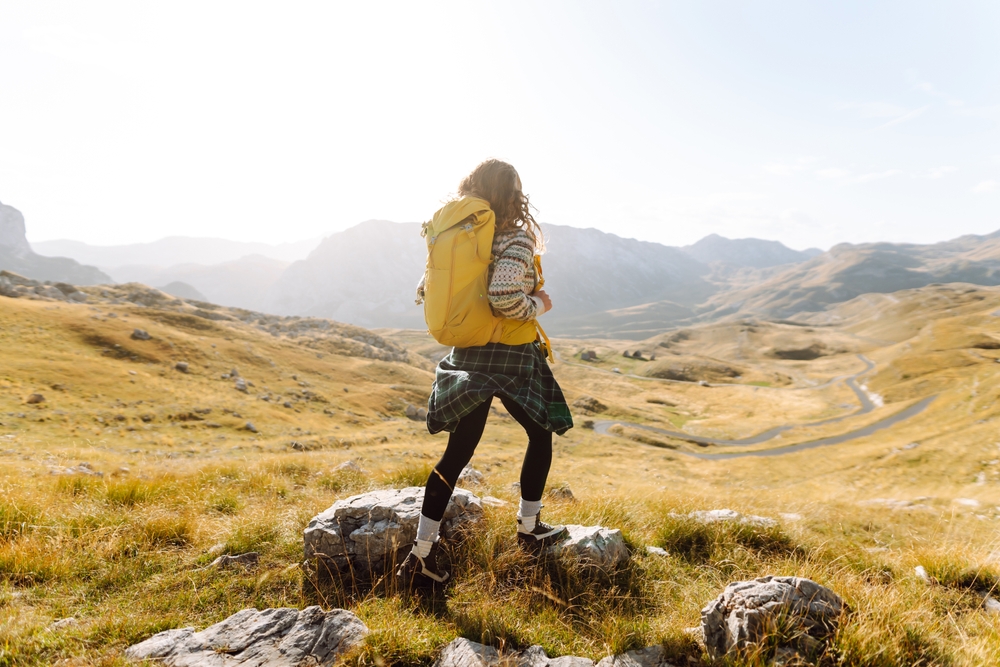
Seriously. Cut your pile in half, then cut it again. That’s probably still too much, but it’s closer.
You don’t need seven pairs of shoes. You don’t need jeans (they’re heavy and don’t dry). You don’t need that “just in case” jacket that you might wear once. Pack for a week even if you’re going for three months, you’ll wash clothes or buy what you’re missing.
The 40-45 liter backpack is the sweet spot. Big enough for necessities, small enough that you won’t fill it with junk. If you’re packing a 70-liter bag for your first trip, you’re doing it wrong.
What actually matters: comfortable walking shoes (one pair plus flip-flops), quick-dry clothes, a small first-aid kit, photocopies of your passport, a portable charger/adaptor, and earplugs. Everything else is optional.
2. Don’t Plan Everything

The urge to plot every single day is strong. Resist it. Over-planning kills spontaneity and makes you rigid when things inevitably change.
Book your first few nights’ accommodation and your major transportation between cities. That’s it. Leave gaps. The best experiences happen when you extend somewhere an extra few days because you met people or discovered something worth staying for.
That tour everyone recommends? You can book it when you arrive. That famous restaurant? You’ll find it. The hostel in the next city? You can search tonight for tomorrow’s arrival.
Plans change because of weather, new friends, better recommendations, or just vibes. Travelers who locked down rigid itineraries months ahead miss opportunities daily.
3. Stay in Hostels, At Least at First
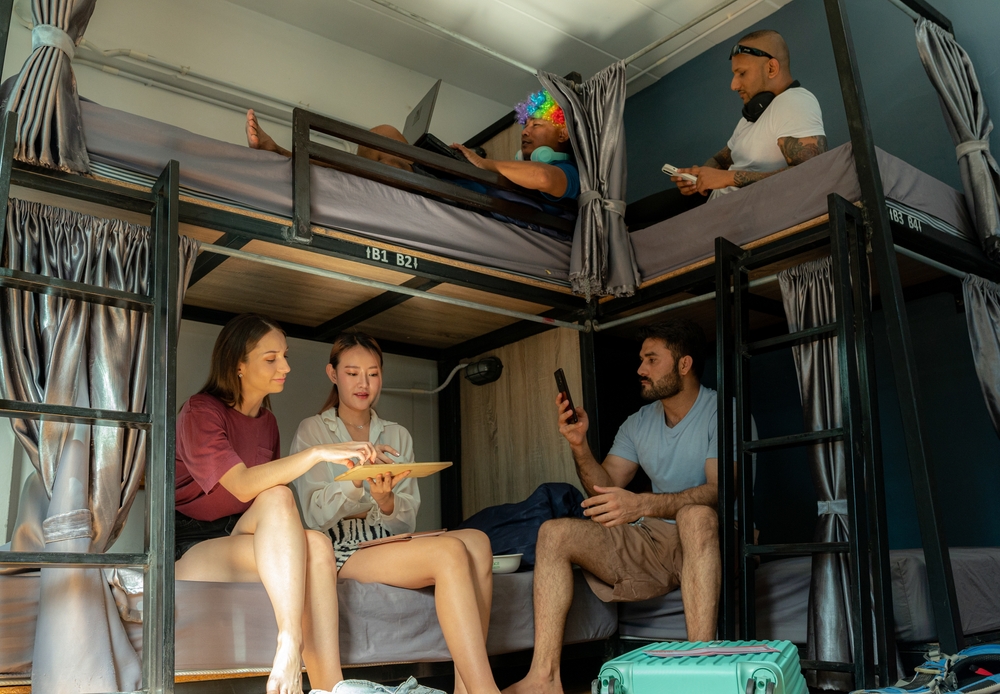
Hostels aren’t just about cheap beds: they’re social hubs where you’ll meet other travelers, get recommendations, and find people to explore with.
Pick hostels with good reviews that mention social atmosphere. Look for common areas, organized activities, kitchen access. Avoid the party hostels unless that’s specifically what you want, they’re loud, messy, and full of people in their teens treating travel like spring break.
Dorm rooms force interaction. Yeah, sharing a room with strangers feels weird initially. By day three you’ll be swapping stories and making breakfast plans.
4. Talk to People

The point of traveling isn’t just seeing places, it’s connecting with humans outside your normal bubble. Talk to other travelers. Talk to locals. Ask questions. Be curious.
Start simple in hostels. “Where are you from?” and “How long are you traveling?” open every conversation. Move to “What’s been your favorite place?” or “Any recommendations here?” Share your own stories. Listen to theirs.
With locals, ask for recommendations. People love sharing their favorite spots. That café question leads to conversations about their city, their life, their perspective. Suddenly you’re not just visiting, you’re learning.
Yes, small talk with strangers feels awkward if you’re not used to it. Do it anyway. Some conversations go nowhere. Others turn into travel partnerships or genuine friendships. You won’t know which is which unless you try.
5. Trust Your Gut About Safety

Your instincts exist for reasons. That sketchy situation making you uncomfortable? Leave. That person giving you weird vibes? Politely extract yourself. That shortcut through the dark alley? Take the long way.
This doesn’t mean being paranoid, most places are safe and most people are good. But awareness matters. Don’t flash expensive stuff. Don’t get blackout drunk with strangers. Don’t leave drinks unattended. Don’t wander alone in places locals warn you about.
Share your location with someone back home. Check in regularly even if it feels annoying. Keep emergency numbers saved. Have backup plans for accommodation if something falls through.
6. Budget Will Explode in Week One

Everyone overspends the first week. New city energy hits and suddenly you’re eating every meal out, buying rounds at the hostel bar, and saying yes to every tour and activity.
Set a daily budget and actually track spending. Apps help, or just write it down. Once you see where money goes, you’ll adjust. Cook some meals. Choose the free walking tour over the expensive bus version. Drink at the hostel before going out.
Build in buffer money for emergencies and unexpected opportunities. Your flight getting canceled, needing a doctor, or finding an amazing side trip you can’t skip, these things happen. Having cushion reduces stress dramatically.
Remember: you can always spend more later, but you can’t un-spend money when you run out three weeks early and have to cut your trip short.
7. Embrace Being Uncomfortable
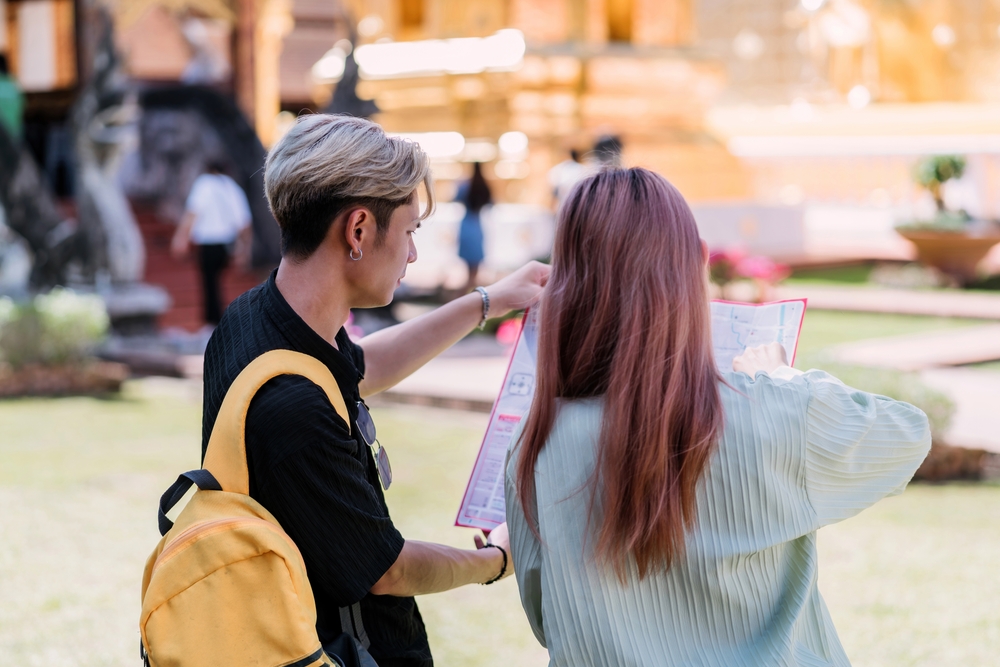
Travel highlights look amazing on Instagram. But those posts don’t show the uncomfortable parts, getting lost, language barriers, cultural confusion, loneliness, bad food, worse bathrooms, and moments where you genuinely question why you left home.
That discomfort is the point. Growth lives in uncomfortable spaces. You figure out problems. You adapt. You learn that being lost or confused or out of place doesn’t kill you. It teaches you.
Some days will suck. You’ll miss home. You’ll be tired of hostels. You’ll want familiar food and people who understand your references. That’s normal. Push through it. The next day usually improves things.
8. Slow Down

The temptation to see everything is real. But sprinting through ten cities in two weeks leaves you exhausted and barely remembering any of them.
Three days minimum per place. A week feels better for cities with depth. This lets you move past tourist attractions into neighborhoods, routines, and actual feel for places.
Slower travel costs less too. You’re not constantly paying for transportation and first-night-in-town tourist mistakes. You find the cheap local spots instead of eating near your hotel. You do free stuff because you have time.
Some places you’ll want to leave after two days. Others will pull you in and you’ll extend. The point is leaving room for that rather than rigid schedules forcing you out when you’re just getting comfortable.
9. Your Phone is a Tool, Not a Security Blanket

Yes, maps and translation apps and hostel reviews help enormously. But if you’re experiencing everything through your screen, you’re barely present.
Put the phone away during meals. Make eye contact with people. Look at the architecture instead of photographing it constantly. Have conversations that don’t get interrupted by checking messages.
The travel anxiety hits strongest when you’re doom-scrolling in your hostel bed instead of going to the common room. Instagram comparison makes you feel like your trip isn’t measuring up. Staying too connected to home life prevents you from being where you actually are.
Take photos. Document things. But not at the expense of the actual experience. Nobody remembers the photographer, they remember what they actually saw and felt.
10. Be Open to Things Not Going to Plan
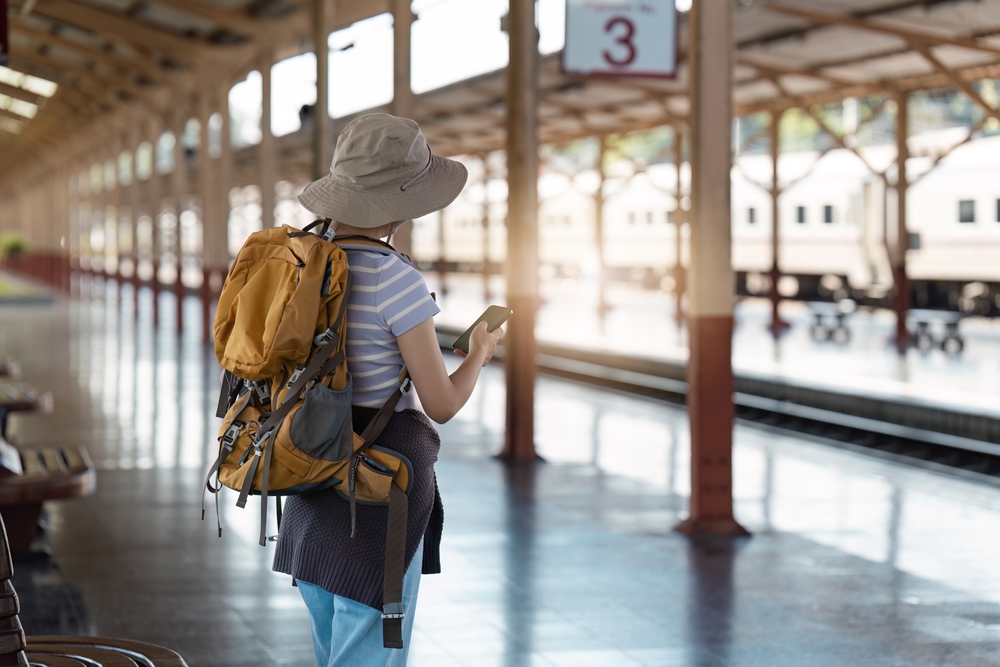
Flights get canceled. Hostels aren’t what you expected. Weather ruins your plans. People bail on things. You get sick. Your bag gets delayed. That place everyone raved about disappoints you.
Roll with it. Travelers who freak out when plans change have miserable trips. Travelers who adapt and find alternatives have adventures.
Some of the best travel experiences come from things going wrong. You miss your bus and end up staying in a tiny town nobody visits. Your hostel’s full so someone offers their couch. Rain cancels your hike so you spend the day in a cafe meeting locals.
Flexibility and humor go further than perfect planning ever will. The point isn’t executing a flawless trip, it’s having experiences that change your perspective. Those rarely happen according to plan.
You’re Ready (Enough)
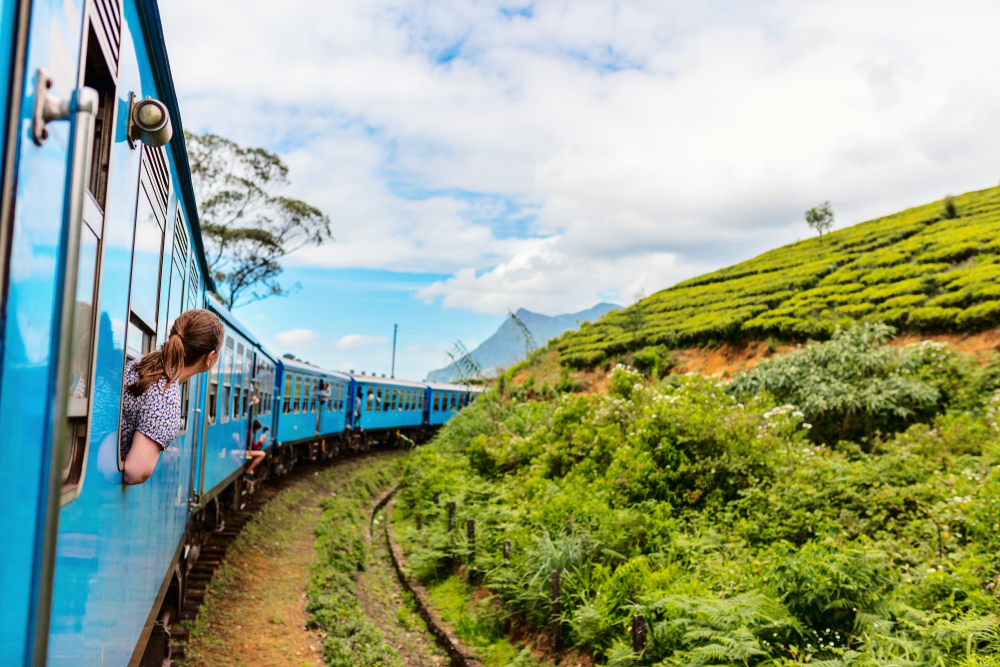
Here’s the secret: nobody feels totally ready for their first backpacking trip. You’ll forget things. You’ll make mistakes. You’ll have moments of panic and doubt.
Then you’ll figure it out. You’ll meet people who just did what you’re about to do and they’ll help. You’ll discover you’re more capable than you thought. You’ll learn things about yourself that only emerge when you’re outside your normal context.
The first trip is the hardest because you don’t know what you don’t know yet. But it’s also the most transformative because everything’s new. Every little success builds confidence.
So pack that bag lighter than you think you should. Book those first few nights. Board that plane. The rest figures itself out along the way.
That’s how everyone who’s done this started. Now it’s your turn.
Ready to connect with locals and other travelers? Check out Couchsurfing’s communities and events to find people who’ve been exactly where you’re going and are happy to help.
